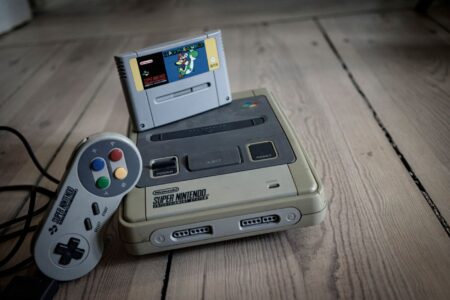





Cloud gaming promised to revolutionize how we play, eliminating the need for expensive hardware by streaming games directly from remote servers. Yet major services like GeForce NOW, Xbox Cloud Gaming, and Amazon Luna are quietly moving away from pure streaming models. They’re embracing hybrid architectures that combine cloud processing with local hardware acceleration, fundamentally changing what cloud gaming means.
The shift represents a pragmatic response to persistent latency issues that have plagued streaming-only models since their inception. Even with fiber internet connections, the physics of data transmission creates unavoidable delays that can make competitive gaming frustrating and single-player experiences less responsive than traditional gaming.
The Latency Wall That Pure Streaming Can’t Break
Network latency remains the biggest barrier to seamless cloud gaming. Data packets traveling from game servers to players face inevitable delays from routing through internet infrastructure, even under ideal conditions. A typical cloud gaming session involves multiple round trips: input commands travel to servers, processing occurs remotely, and video streams return to displays.
Professional esports players require input lag under 20 milliseconds for competitive advantage. Pure cloud streaming struggles to consistently achieve this threshold, with most services averaging 40-80 milliseconds of total system latency depending on server proximity and connection quality.
NVIDIA’s GeForce NOW has begun implementing local processing for specific game functions, handling physics calculations and input preprocessing on user devices while streaming core graphics from cloud servers. This reduces critical input-to-action delays for competitive titles like Fortnite and Apex Legends.
Google Stadia’s shutdown highlighted these fundamental challenges. Despite Google’s massive infrastructure investments, the service couldn’t overcome latency issues that made many games feel sluggish compared to native hardware experiences.
Edge Computing Integration Changes the Game
Major cloud gaming providers are deploying edge computing nodes closer to population centers, reducing the physical distance data travels. Microsoft’s Azure Edge Zones place Xbox Cloud Gaming servers within 50 miles of major metropolitan areas, cutting latency by 20-30 percent compared to traditional data center locations.
This infrastructure shift enables hybrid processing models where time-sensitive calculations occur locally while graphics-intensive rendering happens in nearby edge servers. Amazon Luna uses this approach for multiplayer games, processing player inputs locally while synchronizing game states through cloud servers.
The hybrid model also addresses bandwidth constraints that affect streaming quality. By processing user interfaces, menus, and static game elements locally, services can dedicate more bandwidth to streaming dynamic graphics and environments that require cloud rendering power.
Sony’s PlayStation Now successor, PlayStation Plus Premium, integrates local processing for backward compatibility features while streaming modern titles. This allows older games to run with enhanced performance through local emulation while maintaining cloud access to extensive game libraries.
Local Hardware Makes Cloud Gaming More Accessible
Hybrid models paradoxically make cloud gaming more accessible by reducing hardware requirements while still utilizing available local processing power. Services can scale performance based on device capabilities, providing enhanced experiences on gaming laptops while maintaining basic functionality on smartphones and tablets.
Xbox Cloud Gaming’s recent updates detect local GPU capabilities and offload appropriate processing tasks to reduce server load and improve responsiveness. Users with discrete graphics cards experience better visual quality and lower latency compared to those streaming to basic devices.
This approach addresses the bandwidth inequality that limits pure streaming adoption. Rural users with slower internet connections can still access cloud gaming libraries by processing more elements locally while streaming only essential graphics data.
The model also reduces operating costs for cloud gaming providers by distributing computational load across user devices rather than requiring massive server capacity for every processing task. This economic efficiency helps services maintain larger game libraries and competitive pricing.
Technical Implementation Varies Across Platforms
Different services implement hybrid processing in distinct ways based on their technological strengths and user bases. NVIDIA leverages its GPU expertise to optimize local graphics processing while handling game logic in the cloud. Their approach works particularly well for users with compatible graphics cards who want enhanced ray tracing and DLSS features.
Amazon Luna focuses on reducing bandwidth usage through intelligent content caching and local UI processing. The service downloads frequently accessed game assets to user devices, reducing streaming requirements for textures and environmental elements that don’t change dynamically.
Microsoft integrates Xbox Cloud Gaming with local Xbox consoles and Windows PCs, allowing seamless transitions between local and cloud gaming sessions. Users can start games on cloud servers and continue playing locally, or vice versa, depending on network conditions and hardware availability.
These varied approaches reflect the reality that hybrid cloud gaming isn’t a single technology but rather a collection of optimization strategies tailored to specific use cases and user scenarios.
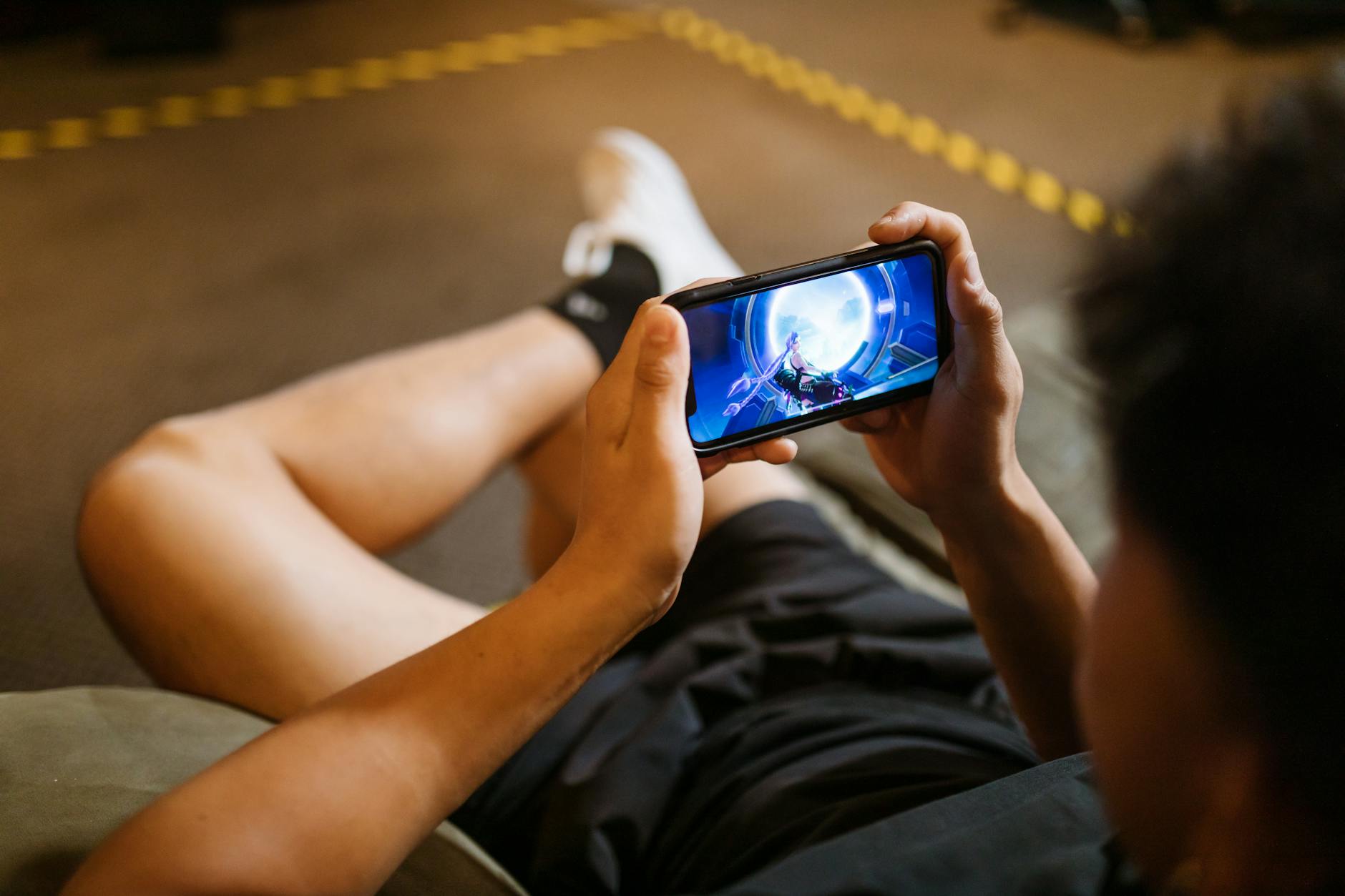
The evolution toward hybrid cloud gaming models signals a more mature understanding of streaming technology’s capabilities and limitations. Pure cloud streaming will likely remain viable for casual gaming and content consumption, but competitive gaming and latency-sensitive applications benefit significantly from local processing integration.
As 5G networks expand and edge computing infrastructure develops, the balance between local and cloud processing will continue shifting based on available bandwidth and computing resources. The future of cloud gaming appears to be not about choosing between local or cloud processing, but rather about intelligent distribution of computational tasks to optimize user experience across diverse hardware and network conditions.
Frequently Asked Questions
Why are cloud gaming services moving away from pure streaming?
Pure streaming creates unavoidable latency issues that make competitive gaming difficult and reduce responsiveness compared to local hardware.
How do hybrid cloud gaming models work?
They process time-sensitive functions locally while streaming graphics-intensive content from cloud servers, reducing input lag and bandwidth requirements.