




Author: Daniel Drake

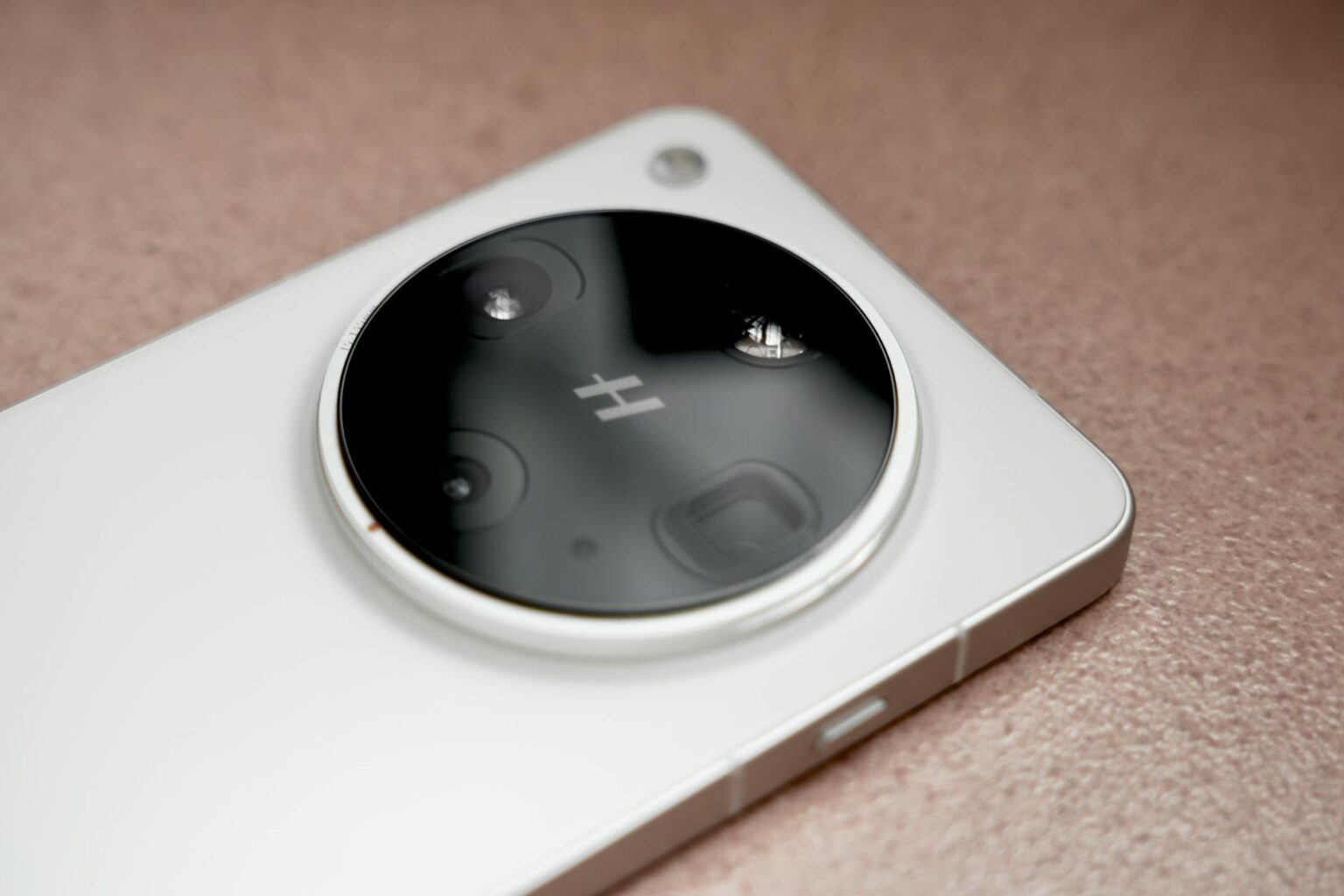
iPhone cameras now deliver professional light meter accuracy through advanced sensors and specialized apps, replacing expensive dedicated equipment.
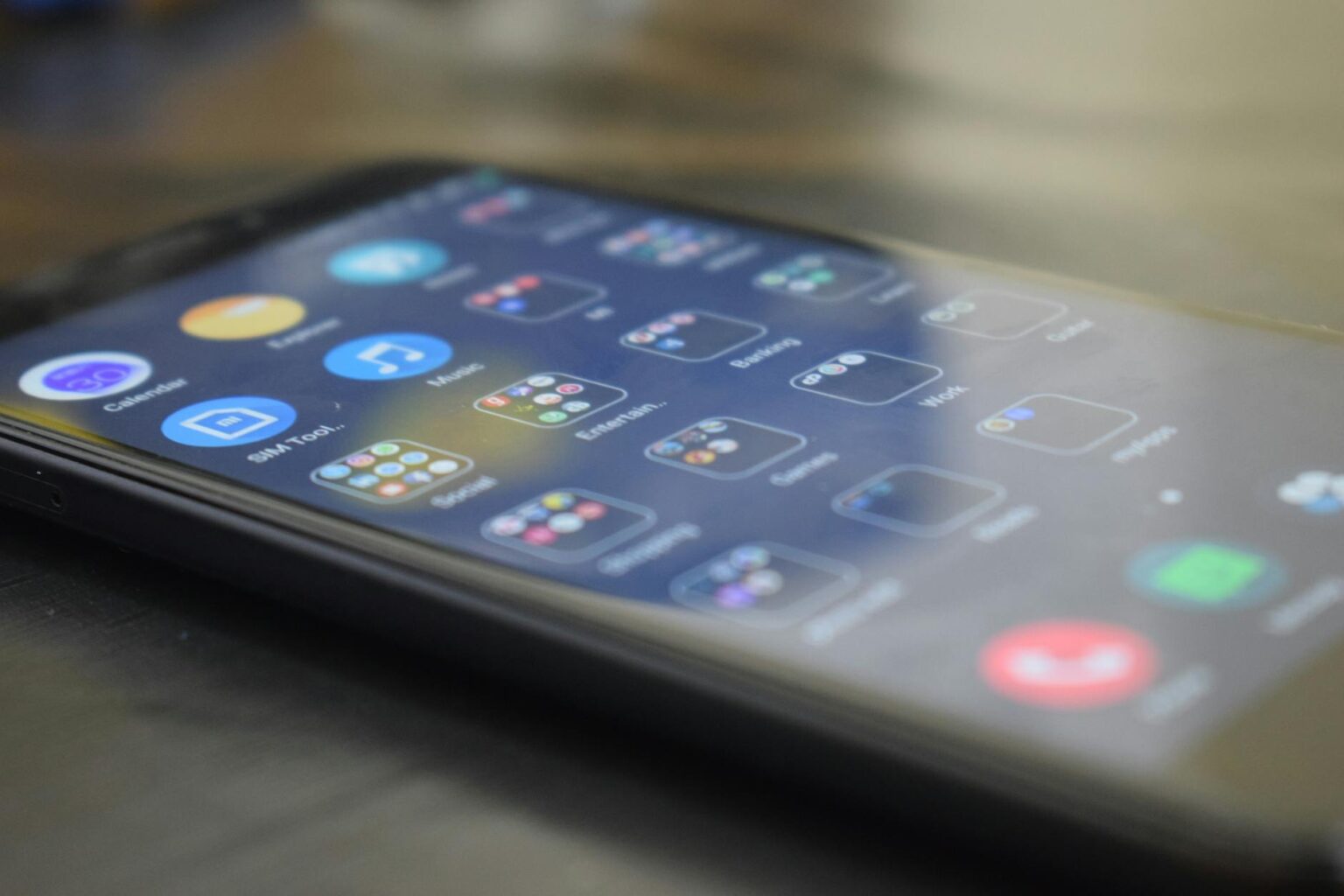
Android phones are adopting desktop-class file management with multi-window operations, network drives, and advanced search capabilities.
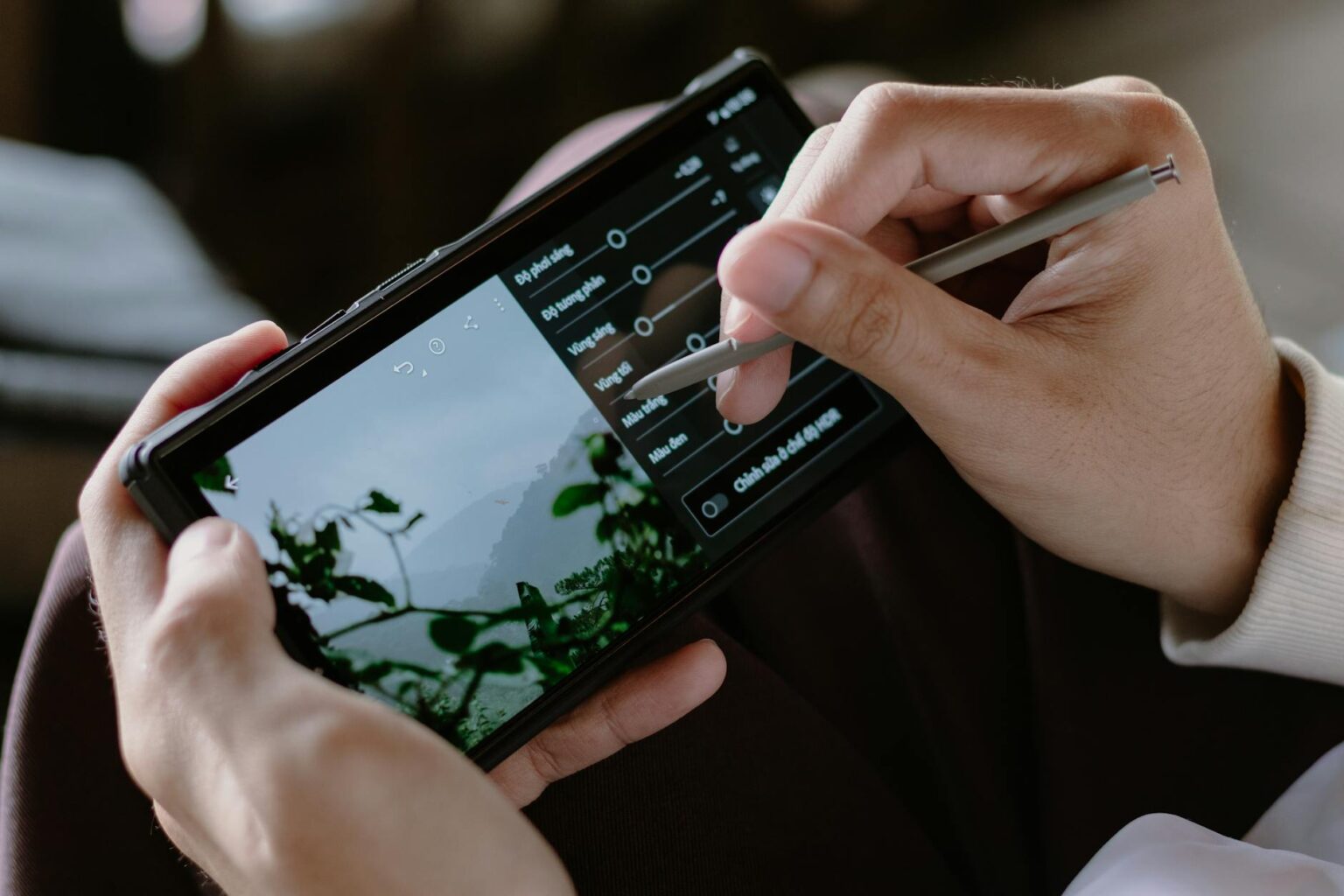
Samsung expands S Pen support to budget Galaxy phones, bringing stylus capabilities to devices under $400 through simplified technology.
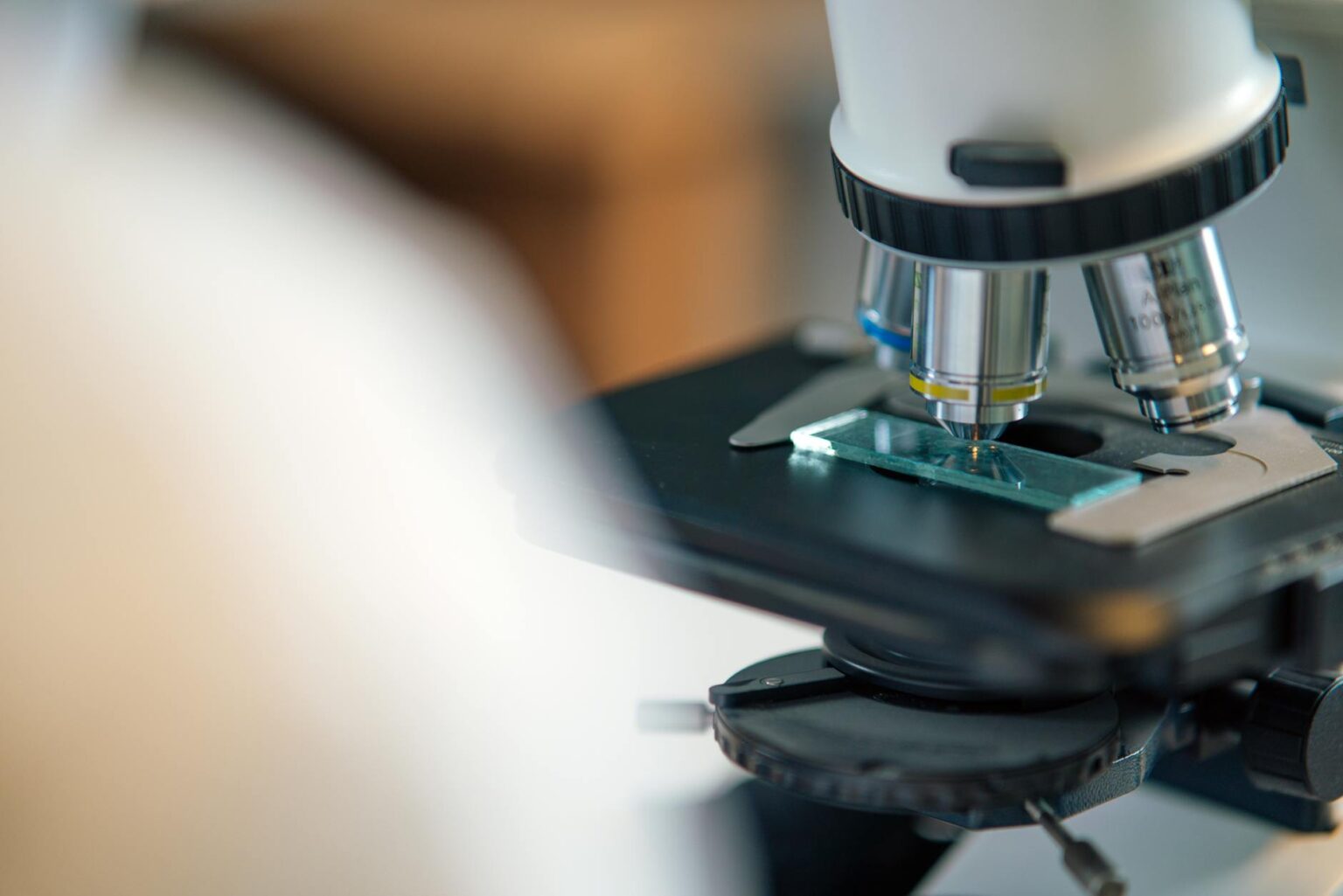
Smartphone microscope attachments now deliver 1000x magnification for field research, replacing heavy lab equipment with portable solutions that cost under $100.

Satellite messaging technology is moving from premium flagship phones to budget Android devices under $400, bringing emergency communication capabilities to mainstream users through integrated chipset solutions.
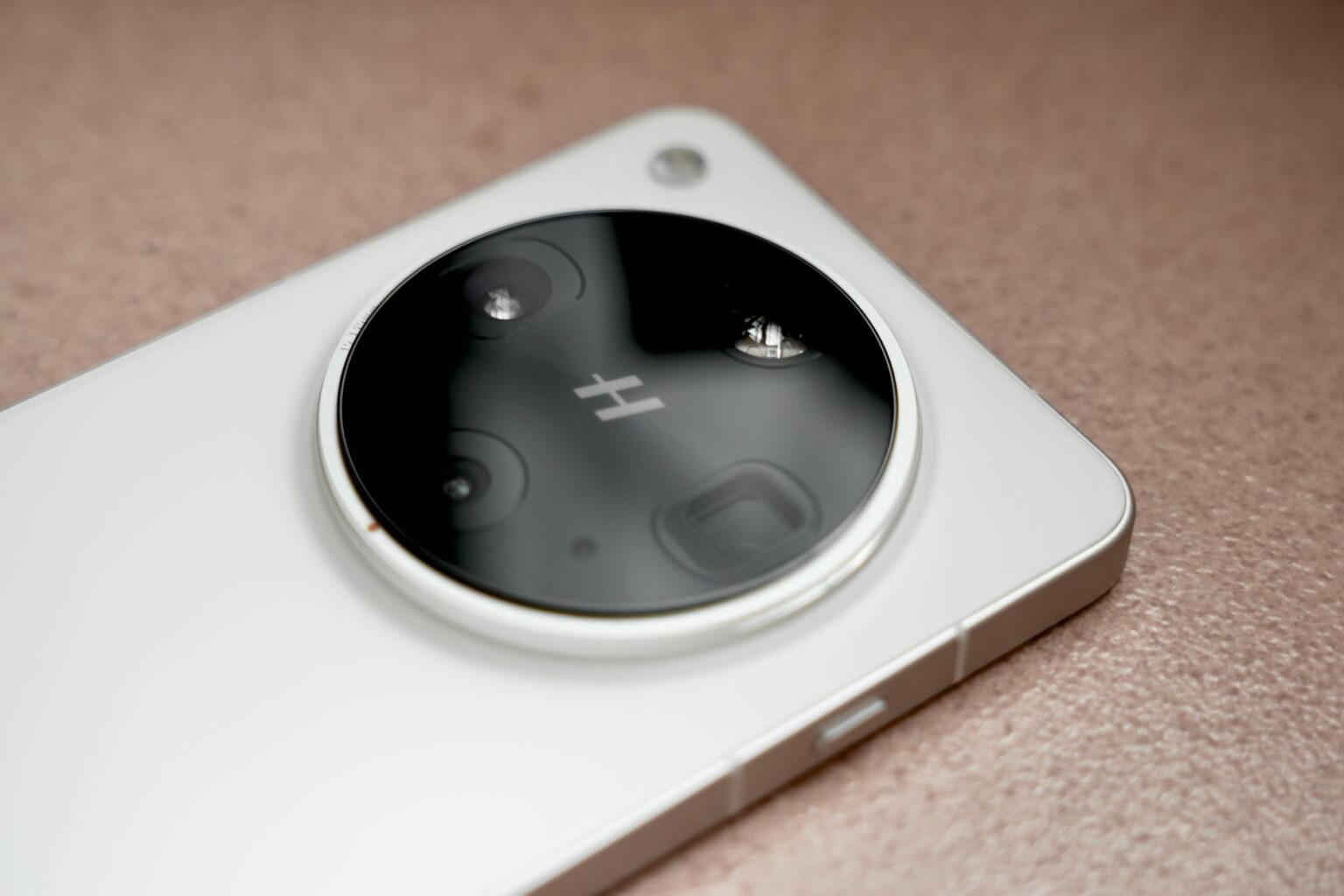
Mobile photography apps are embracing film grain effects as users seek authentic, imperfect aesthetics over clinical digital precision, transforming casual photography.
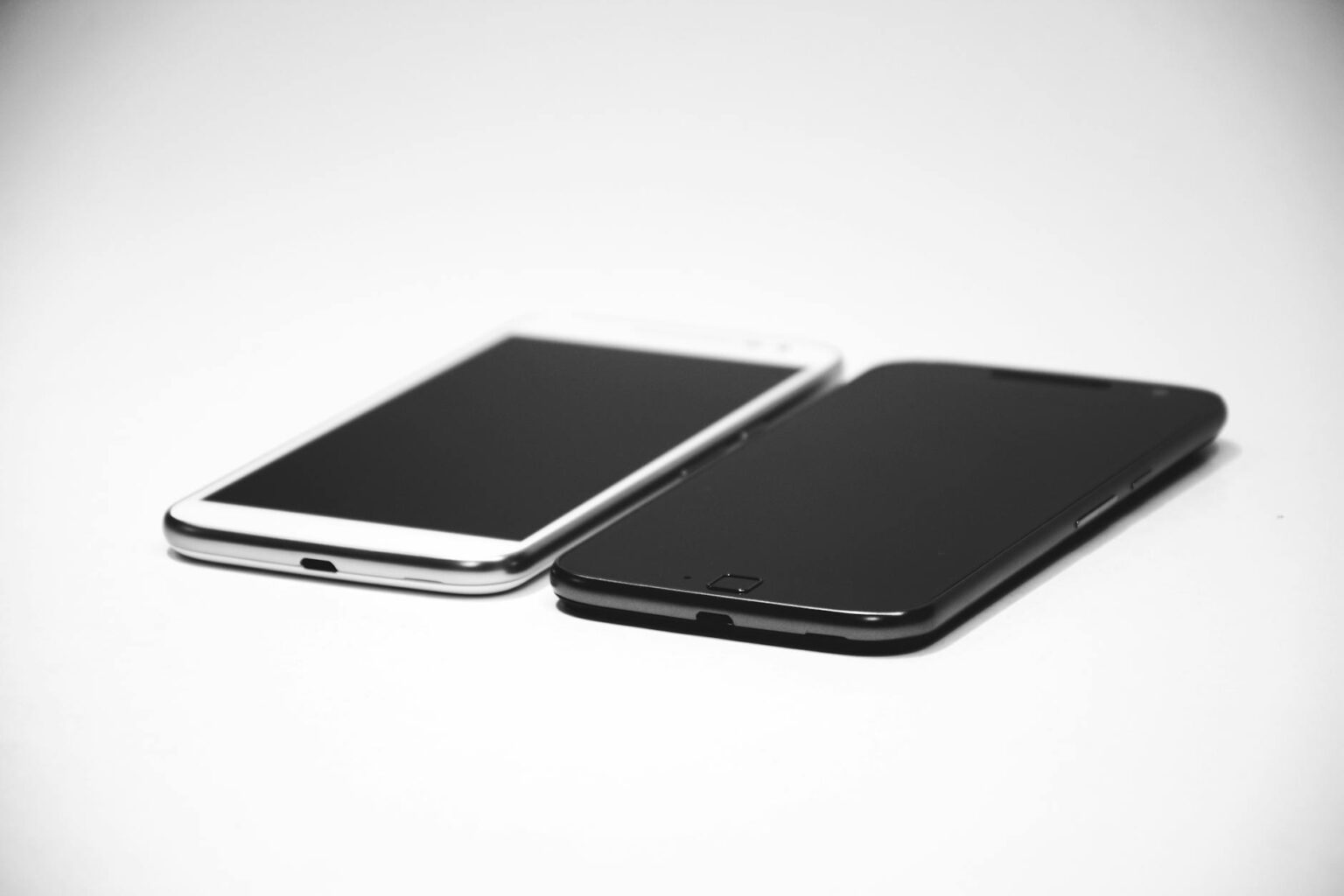
Foldable phones now match traditional smartphone durability through ultra-thin glass, precision hinges, and advanced materials engineering breakthroughs.
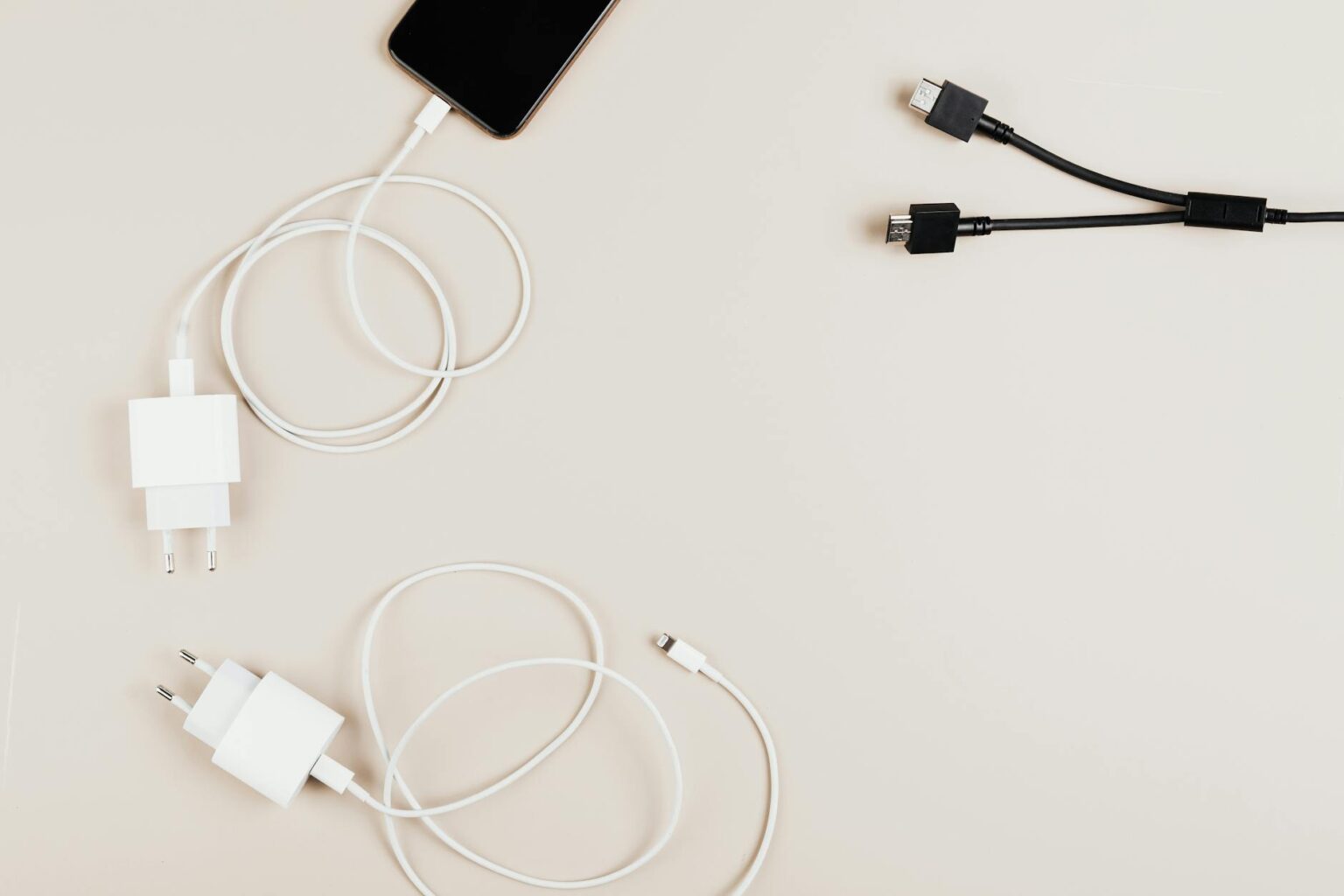
Flagship phones are dropping wireless charging for ultra-fast wired solutions that charge in minutes rather than hours, prioritizing speed over convenience.
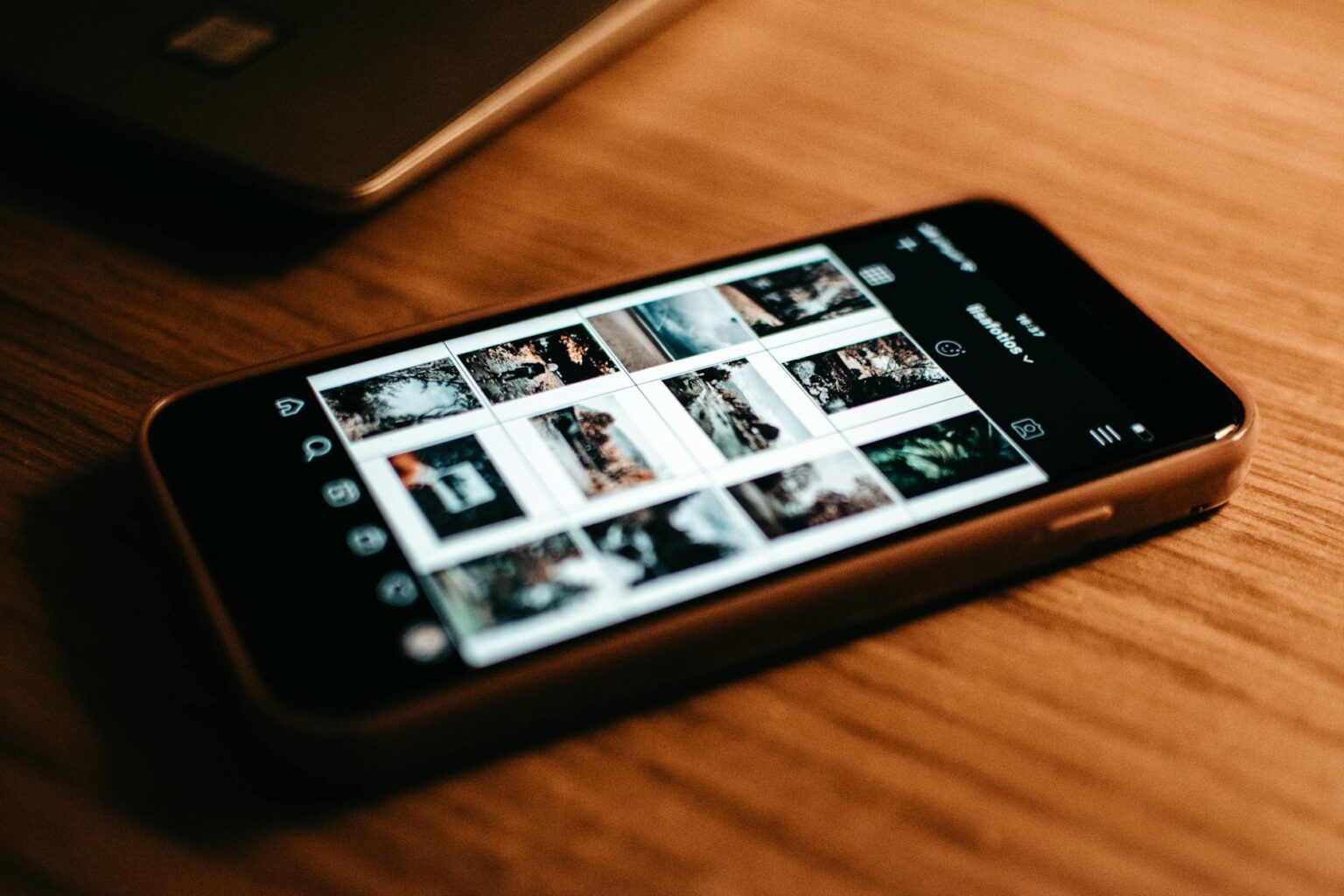
Smartphone makers are embedding dedicated AI chips to process voice commands, enhance photos, and run AI features locally without cloud connections, improving speed and privacy.
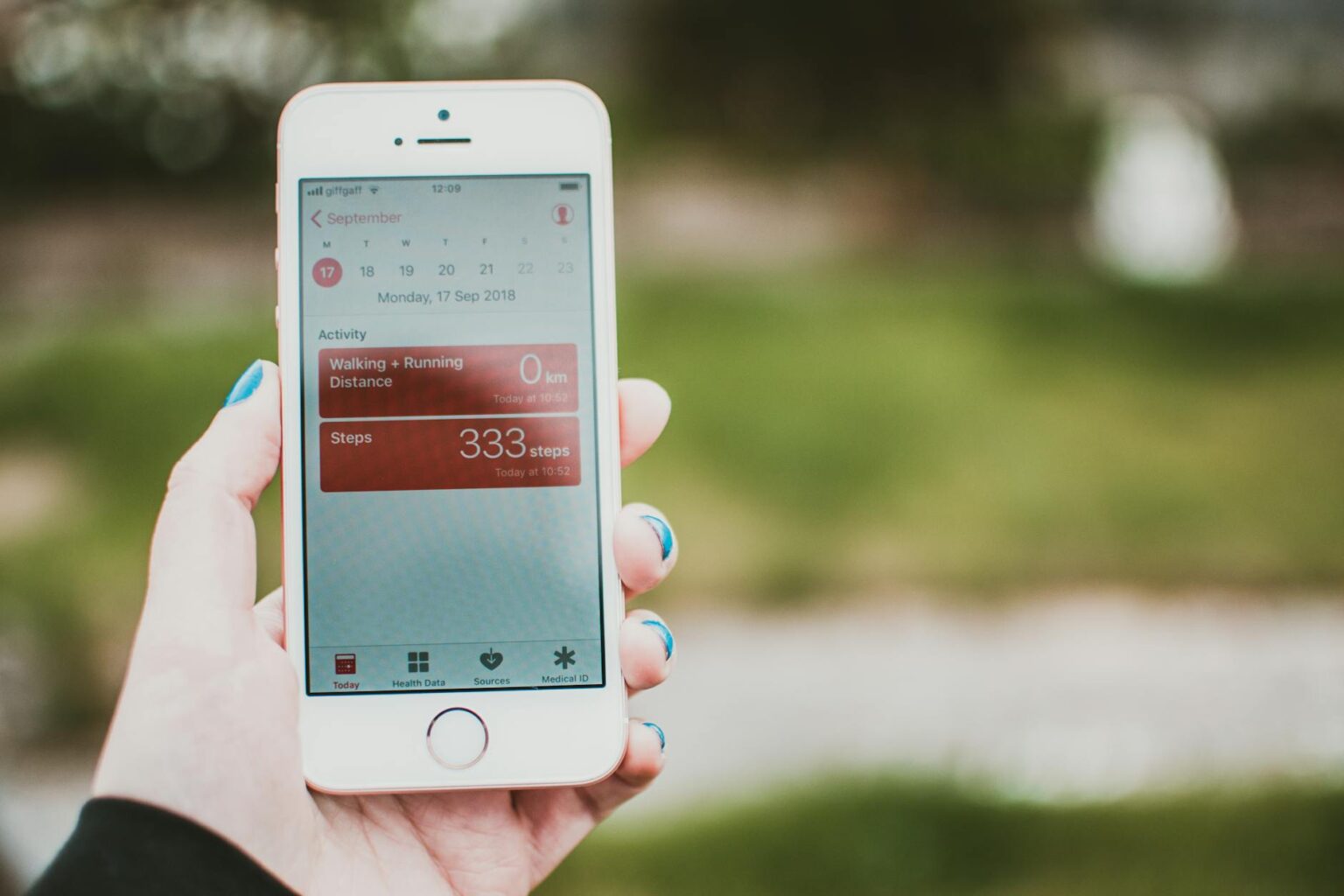
Smartphone makers are quietly adding temperature sensors for continuous health monitoring, potentially detecting illness before symptoms appear.