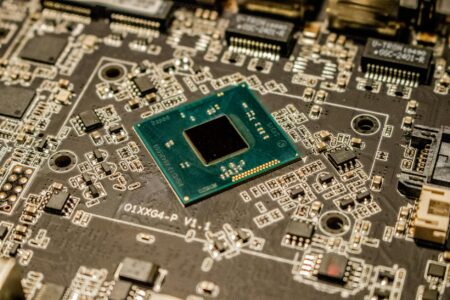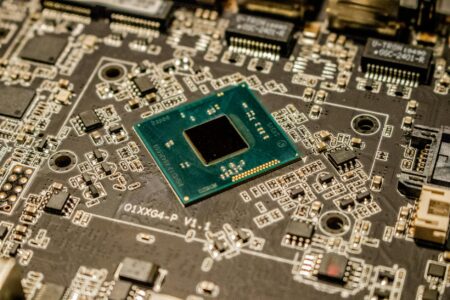



Google’s latest Chromebook lineup has achieved something remarkable: matching the performance of Apple’s MacBook Air while maintaining the simplicity and affordability that made Chrome OS popular. The catalyst behind this transformation is ARM-based processors, particularly Qualcomm’s Snapdragon chips and MediaTek’s Kompanio series, which are delivering laptop performance that rivals Apple’s M-series silicon.
The shift represents a fundamental change in how we think about budget computing. Traditional Chromebooks relied on Intel’s low-power Celeron and Pentium processors, which offered basic functionality but struggled with demanding tasks. Today’s ARM-powered Chromebooks can handle video editing, run Android apps smoothly, and maintain all-day battery life that often exceeds what premium Windows laptops offer.

ARM Architecture Brings MacBook-Level Efficiency
ARM processors have revolutionized Chromebook performance through their focus on efficiency rather than raw power. Unlike traditional x86 chips that prioritize clock speeds, ARM designs optimize for performance-per-watt, delivering responsive computing while sipping battery power.
Qualcomm’s Snapdragon 7c Gen 3 processor, found in recent ASUS and Lenovo Chromebooks, demonstrates this principle perfectly. The chip delivers smooth 4K video playback and handles multiple browser tabs without thermal throttling. More importantly, it achieves this performance while maintaining battery life that regularly exceeds 12 hours of real-world use.
MediaTek’s Kompanio 1380 takes this further, integrating dedicated AI processing units that accelerate machine learning tasks. This means features like real-time language translation and enhanced video calls run locally rather than relying on cloud processing. The result feels remarkably similar to Apple’s Neural Engine capabilities, bringing premium features to devices that cost a fraction of MacBook prices.
The performance gains extend beyond specifications. ARM Chromebooks boot in seconds, resume from sleep instantly, and maintain consistent performance throughout the day. These characteristics mirror the user experience that made MacBooks popular among students and professionals who value reliability over raw computing power.
Chrome OS Evolution Matches Hardware Capabilities
Google has simultaneously upgraded Chrome OS to take full advantage of ARM processor capabilities. The operating system now runs Android apps natively rather than through emulation, eliminating the performance penalties that previously made mobile apps feel sluggish on Chromebooks.
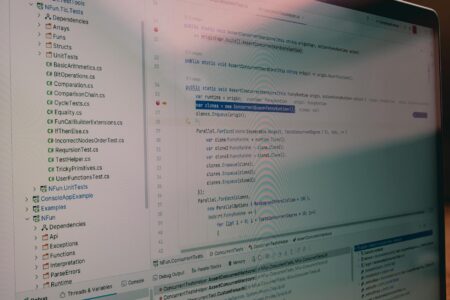
Linux application support has also matured significantly. Developers can now run VS Code, Android Studio, and other professional tools directly on ARM Chromebooks, as detailed in recent coverage of how browser-based development environments are replacing local code editors. This transformation has opened Chromebooks to use cases previously reserved for more expensive laptops.
The integration runs deeper than simple app compatibility. Chrome OS now leverages ARM processors’ specialized cores for specific tasks. Video encoding utilizes dedicated media engines, web browsing benefits from optimized JavaScript performance, and background tasks run on efficiency cores without impacting user interface responsiveness.
Google’s recent updates have also improved window management and multitasking capabilities. The new desk organization system and enhanced split-screen functionality make ARM Chromebooks viable for productivity workflows that previously required more powerful machines.
Real-World Performance Comparisons
Independent testing reveals how closely ARM Chromebooks now match MacBook Air performance in everyday tasks. Web browsing benchmarks show comparable JavaScript performance, with Snapdragon-powered Chromebooks often matching or exceeding base model MacBook Air results in browser-based tests.
Video editing capabilities demonstrate the most dramatic improvements. ARM Chromebooks can now handle 1080p video editing in browser-based tools like WeVideo and Clipchamp without stuttering. While they don’t match MacBook Pro performance for 4K editing, they compete directly with MacBook Air capabilities for most content creation tasks.
Battery life comparisons favor ARM Chromebooks in many scenarios. The combination of efficient processors and Chrome OS optimization regularly delivers 14-16 hours of mixed use, surpassing MacBook Air’s typical 12-14 hour performance. This advantage becomes particularly pronounced during video streaming and web browsing sessions.
Gaming performance has also improved substantially. Android games run smoothly, and cloud gaming services like GeForce Now and Xbox Cloud Gaming deliver console-quality experiences. While not matching dedicated gaming laptops, ARM Chromebooks now offer gaming capabilities that rival ultrabooks in similar price ranges.
The improvements extend to professional applications as well. Tools for browser-based CAD software replacing desktop engineering tools run effectively on ARM Chromebooks, opening new possibilities for technical work on budget-friendly devices.
Market Impact and Pricing Advantages
The performance parity between ARM Chromebooks and MacBooks creates significant market disruption, particularly in education and business segments where cost remains crucial. Premium ARM Chromebooks from ASUS, Lenovo, and HP deliver MacBook-like experiences at prices ranging from $400 to $700, compared to MacBook Air’s $999 starting price.
Educational institutions are taking notice. School districts that previously chose basic Chromebooks for cost reasons can now deploy devices that handle advanced coursework, multimedia projects, and standardized testing without performance compromises. The durability and management features that made Chromebooks popular in schools remain intact while adding capabilities that support more sophisticated learning activities.
Business adoption is accelerating as well. Companies that rely on web-based workflows and Google Workspace find ARM Chromebooks sufficient for most employee needs. The combination of enterprise-grade security, centralized management, and MacBook-competitive performance creates compelling value propositions for organizations seeking to reduce IT costs.
Enterprise features continue improving alongside hardware performance. Advanced security measures, including verified boot and sandboxed applications, provide protection levels that match or exceed traditional laptops. Management consoles allow IT administrators to configure and monitor fleets of Chromebooks with precision that rivals more expensive enterprise solutions.

Future Trajectory and Industry Response
The ARM Chromebook revolution appears sustainable as processor roadmaps promise continued performance improvements. Qualcomm’s upcoming Snapdragon platforms will likely bring additional AI capabilities and graphics performance enhancements. MediaTek continues investing in premium Chromebook processors, suggesting long-term commitment to the segment.
Apple’s response will prove interesting to watch. The company’s education pricing strategies haven’t changed significantly despite increased Chromebook competition. This suggests confidence in ecosystem advantages and premium positioning, but sustained pressure from capable ARM Chromebooks may force strategic adjustments.
Microsoft faces perhaps the greatest challenge from ARM Chromebook success. Windows 11 on ARM hasn’t achieved the same performance efficiency as Chrome OS, creating opportunities for Google to capture market share among users who prioritize battery life and instant-on capabilities over software compatibility.
The convergence of ARM efficiency and Chrome OS optimization has fundamentally altered laptop market dynamics. Premium Chromebooks now offer genuine alternatives to MacBooks for users whose workflows center on web applications, cloud storage, and mobile apps. As ARM processors continue improving and Chrome OS adds capabilities, the performance gap that once justified MacBook premium pricing continues narrowing, reshaping expectations for what affordable computing can accomplish.
Frequently Asked Questions
Can ARM Chromebooks really match MacBook Air performance?
Yes, in web browsing, video streaming, and productivity tasks, with superior battery life in most scenarios.
What makes ARM processors better for Chromebooks than Intel chips?
ARM designs prioritize efficiency over raw power, delivering longer battery life and instant wake capabilities.