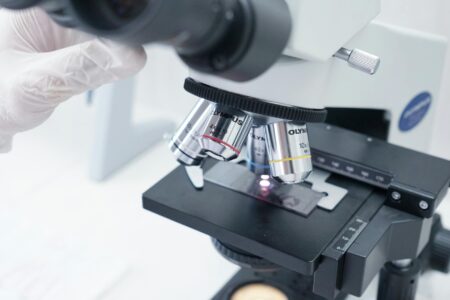





Agricultural scientists are racing against climate change, and their most powerful weapon isn’t irrigation or fertilizer – it’s molecular scissors that can rewrite plant DNA in a matter of weeks. CRISPR gene editing is transforming how researchers develop crops that can survive extended droughts, promising to secure food supplies for billions as extreme weather becomes the norm.
The technology works by making precise cuts in plant genomes, allowing scientists to enhance natural drought tolerance mechanisms or introduce new ones. Unlike traditional breeding that takes years or decades, CRISPR modifications can be completed and tested in a single growing season. Major agricultural companies and research institutions are now deploying these techniques across staple crops from rice and wheat to tomatoes and soybeans.

Engineering Water-Efficient Plants at the Cellular Level
CRISPR’s precision allows scientists to target specific genes that control how plants manage water. Researchers at various institutions have successfully edited genes responsible for stomatal behavior – the tiny pores on leaves that control water loss and gas exchange. By modifying these regulatory genes, plants can maintain photosynthesis while reducing water consumption by up to 30% in laboratory trials.
The approach involves identifying naturally occurring drought-resistant variants in wild plant relatives, then using CRISPR to introduce those beneficial traits into commercial crop varieties. Scientists have mapped genes that help certain plants produce protective compounds during water stress, close their stomata more efficiently, or develop deeper root systems. These genetic modifications preserve the crop’s yield and nutritional profile while dramatically improving water efficiency.
Recent field trials have shown promising results across multiple crop types. Rice varieties with edited ABA receptors – genes that control the plant’s response to drought stress – maintained grain production even when water availability dropped by 40%. Similar modifications in wheat have produced plants that continue growing during prolonged dry periods that would normally halt development entirely.
Commercial Applications and Real-World Testing
Agricultural biotechnology companies are moving these CRISPR-edited crops from laboratory benches to commercial farms. Several drought-resistant varieties are currently undergoing regulatory review in the United States, Europe, and other major agricultural markets. The regulatory process for CRISPR crops is generally faster than for traditional GMOs because the technology doesn’t introduce foreign genes – it simply makes precise edits to existing plant DNA.
Field testing across diverse climates has validated the laboratory results. In regions experiencing severe drought conditions, CRISPR-edited crops have maintained yields while conventional varieties suffered significant losses. Farmers report that these modified plants require fewer irrigation cycles and show improved resilience during heat waves. The technology is particularly valuable for smallholder farmers in developing countries where irrigation infrastructure is limited.
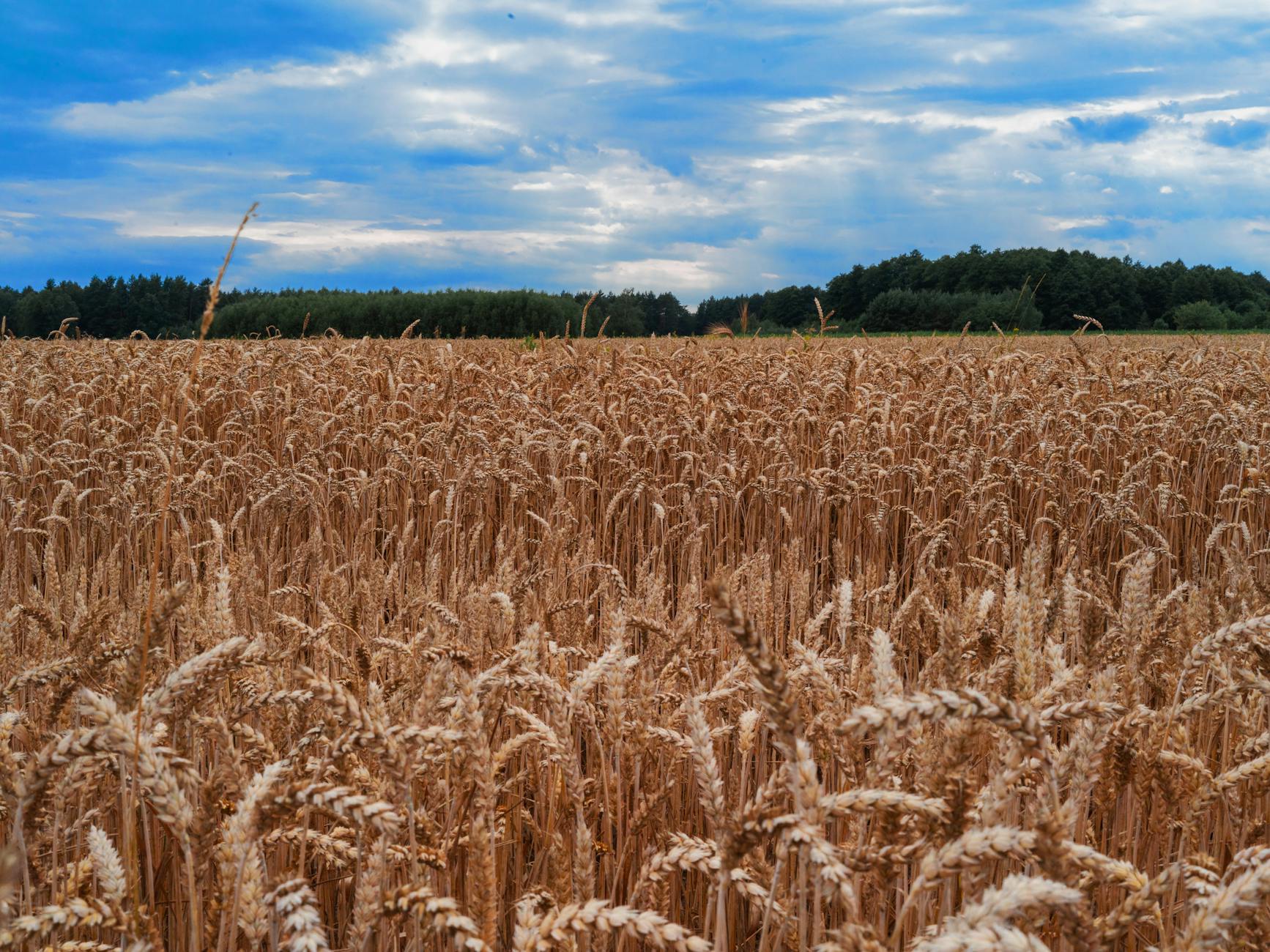
The economic implications extend beyond individual farms. Agricultural economists estimate that widespread adoption of drought-resistant crops could reduce global food price volatility and improve food security in vulnerable regions. Countries investing heavily in this technology include those already facing water scarcity challenges – from Australia’s wheat belt to India’s rice-growing regions.
Companies are also developing CRISPR crops with multiple stress tolerances, combining drought resistance with heat tolerance or salt resistance. These “stacked traits” address the complex environmental challenges that climate change presents to agriculture. Some varieties can maintain productivity in soils with high salt content while also withstanding extended dry periods.
Overcoming Technical and Regulatory Challenges
Despite its precision, CRISPR gene editing faces several technical hurdles in crop development. Not all plant species are equally amenable to genetic modification, and some crops require extensive tissue culture work before successful editing can occur. Researchers must also ensure that drought resistance doesn’t compromise other important traits like disease resistance or nutritional content.
Regulatory frameworks vary significantly between countries, creating challenges for global deployment. While some nations treat CRISPR crops similarly to conventionally bred plants, others require extensive safety testing similar to traditional GMOs. The European Union continues to debate its regulatory approach, while countries like Argentina and Brazil have established streamlined approval processes for gene-edited crops.
Public acceptance remains another consideration. Consumer surveys indicate greater acceptance of gene editing compared to traditional genetic modification, particularly when the technology addresses climate change challenges. Educational campaigns emphasizing the precision of CRISPR and its similarity to natural mutations have helped build support among both farmers and consumers.
Scientific collaboration is accelerating progress despite these challenges. International research consortiums share genetic resources and coordinate field trials across different climates and soil types. This collaborative approach, similar to advances seen in gene therapy clinical trials, helps identify which genetic modifications work best in specific environmental conditions.
Future of Climate-Resilient Agriculture
The next generation of CRISPR applications promises even more sophisticated crop improvements. Scientists are developing plants that can actively sense soil moisture levels and adjust their metabolism accordingly. Others are working on crops that can temporarily enter dormancy during extreme drought and resume growth when water becomes available.

Integration with other agricultural technologies is expanding CRISPR’s potential impact. Precision agriculture systems can monitor CRISPR-edited crops in real-time, optimizing irrigation and nutrient delivery based on each variety’s specific genetic modifications. This combination of genetic innovation and technological precision represents the future of sustainable farming.
Research institutions are also exploring how CRISPR can address other climate-related agricultural challenges. Projects underway include crops that can thrive in changing precipitation patterns, withstand stronger storms, or maintain productivity as temperatures rise. The technology’s versatility makes it applicable to virtually any environmental stress that affects crop production.
As climate change intensifies and global population continues growing, CRISPR gene editing offers a scientifically sound path toward food security. The coming decade will likely see these drought-resistant crops become commonplace on farms worldwide, transforming agriculture’s response to an increasingly unpredictable climate.
Frequently Asked Questions
How does CRISPR make crops drought-resistant?
CRISPR edits specific genes that control water management, allowing plants to maintain photosynthesis while reducing water consumption by up to 30%.
Are CRISPR-edited crops safe to eat?
CRISPR crops are considered safe because they make precise edits to existing plant DNA without introducing foreign genes, similar to natural mutations.