




Racing games have always chased realism, but haptic feedback suits are finally delivering sensations that match the visual spectacle. Professional sim racers now feel every bump, vibration, and G-force through full-body haptic systems that translate digital physics into physical sensations.
The technology represents a quantum leap beyond traditional force feedback steering wheels. Modern haptic suits like those from HaptX and Ultraleap use arrays of tactile actuators positioned across the torso, arms, and legs. These systems communicate directly with racing simulation software to reproduce the physical sensations of high-speed racing.
The Physical Language of Speed
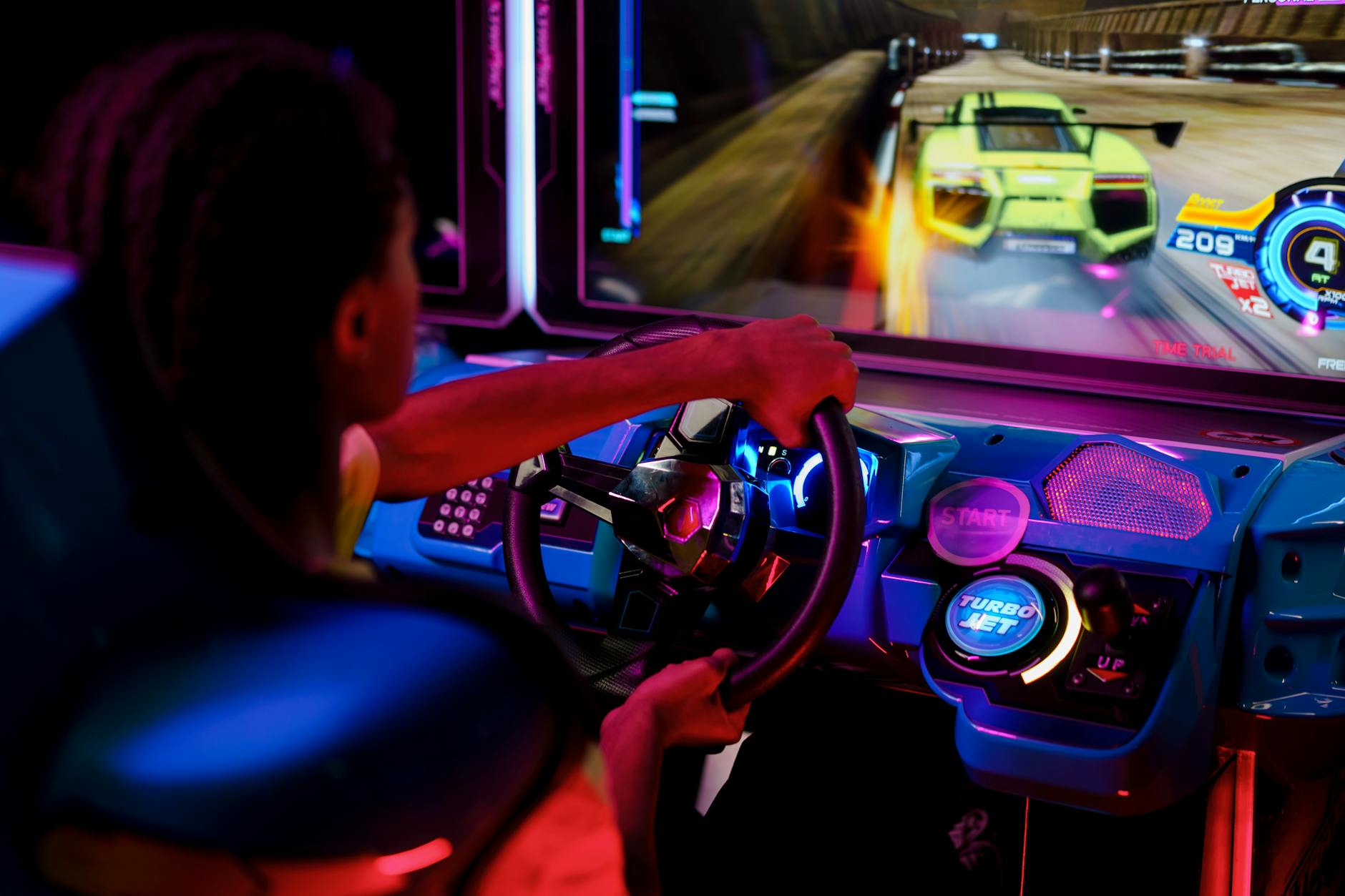
Haptic suits work by translating game physics into tactile feedback through hundreds of contact points across the body. When a virtual race car hits a curb in Assetto Corsa Competizione or iRacing, actuators fire in sequence to simulate the jarring impact traveling through the chassis. Braking hard activates chest-mounted feedback to replicate forward momentum, while cornering triggers side-mounted units that mimic lateral G-forces.
The suits connect to racing simulations through specialized APIs that access real-time telemetry data. Software processes information about wheel slip, aerodynamic forces, engine vibrations, and collision impacts, then converts these digital signals into precise haptic patterns. The result feels remarkably similar to sitting in an actual race car experiencing physical forces.
Professional esports teams have started integrating haptic technology into training regimens, similar to how eye-tracking systems are being adopted for strategic analysis across competitive gaming. Drivers report improved lap consistency and faster adaptation to new tracks when physical feedback reinforces visual and audio cues.
Beyond Entertainment: Professional Training Applications
Racing schools and professional driving academies are adopting haptic systems for driver education. The technology allows instructors to safely expose students to extreme scenarios like tire blowouts, brake failures, or loss of traction without real-world risks. Students experience the physical sensations of recovering from a spin or managing understeer through haptic feedback that matches their steering inputs.
Formula 1 and NASCAR teams use haptic-equipped simulators for driver preparation between race weekends. These systems help drivers maintain muscle memory and practice specific tracks with realistic physical feedback. The technology proves particularly valuable for learning new circuits, allowing drivers to feel track characteristics before ever turning a lap in the actual car.
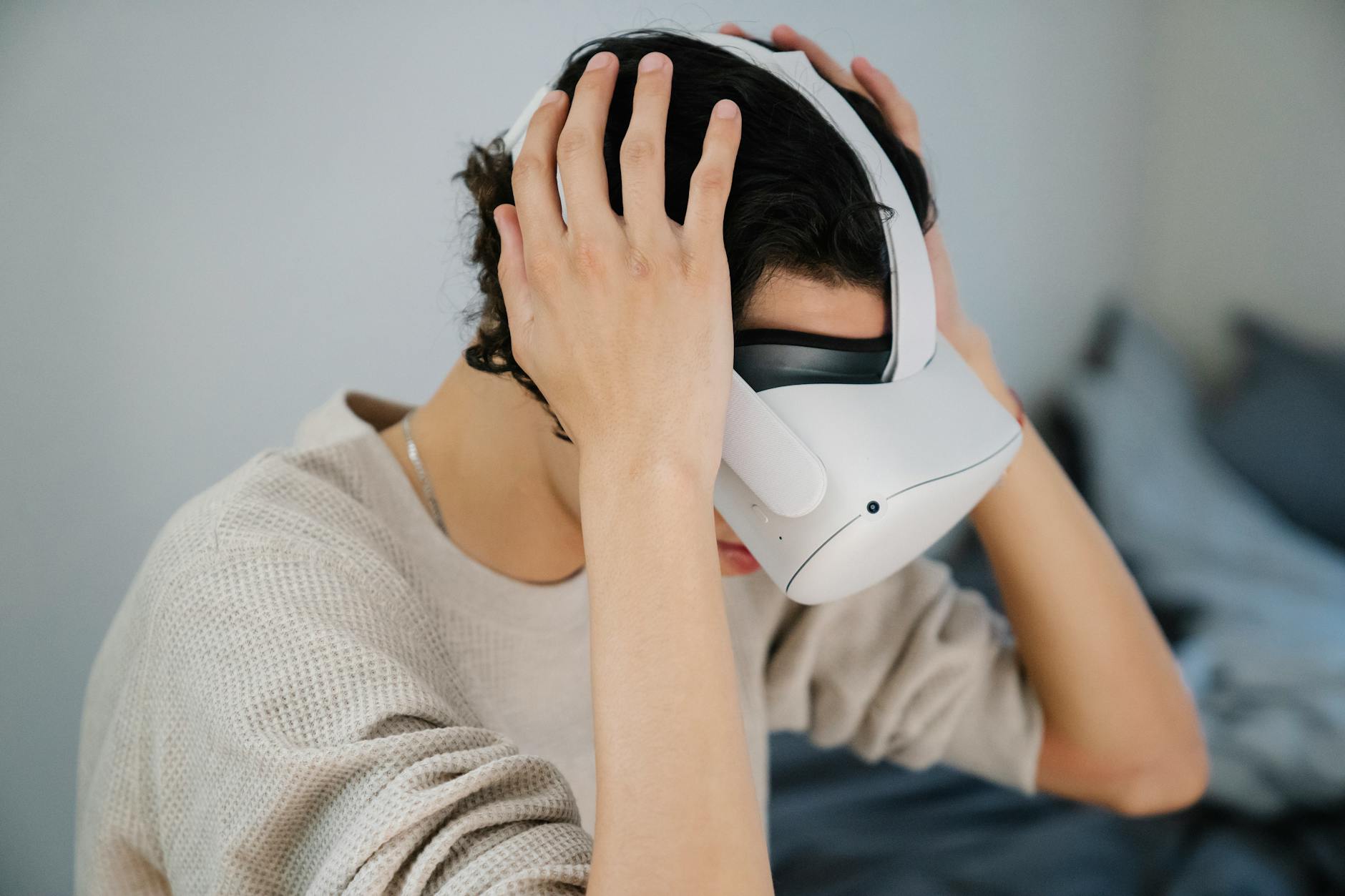
Military and commercial driving training programs have also embraced haptic simulation. Emergency vehicle operators practice high-speed pursuits and evasive maneuvers through haptic systems that reproduce the physical demands of extreme driving without endangering personnel or equipment. The training translates directly to improved real-world performance under pressure.
Technical Challenges and Solutions
Early haptic suits suffered from latency issues that broke immersion when feedback arrived milliseconds after visual cues. Modern systems have reduced latency to under 20 milliseconds through direct hardware integration and optimized processing algorithms. This improvement makes haptic feedback feel instantaneous and natural rather than artificially delayed.
Power consumption and heat generation posed significant challenges for extended gaming sessions. Contemporary suits use efficient actuator designs and improved battery management to support 4-6 hour racing sessions without overheating or power degradation. Some systems include active cooling elements to maintain comfort during intense use.
Calibration complexity initially limited haptic suits to dedicated enthusiasts willing to spend hours configuring settings. Current generation suits feature automatic calibration routines that adapt to individual body types and sensitivity preferences. Machine learning algorithms continuously refine feedback patterns based on user responses and driving behavior.
Market Adoption and Future Development
Consumer-grade haptic suits now start around $2,000, making them accessible to serious sim racing enthusiasts beyond professional teams. Companies like Teslasuit and SenseGlove have introduced modular systems that allow users to add haptic capability gradually, starting with upper body feedback and expanding to full-body systems over time.
The technology’s influence extends beyond racing simulations to other gaming genres. Flight simulators incorporate haptic feedback for turbulence and aerodynamic forces, while space simulation games use the technology to recreate zero-gravity environments and spacecraft vibrations.
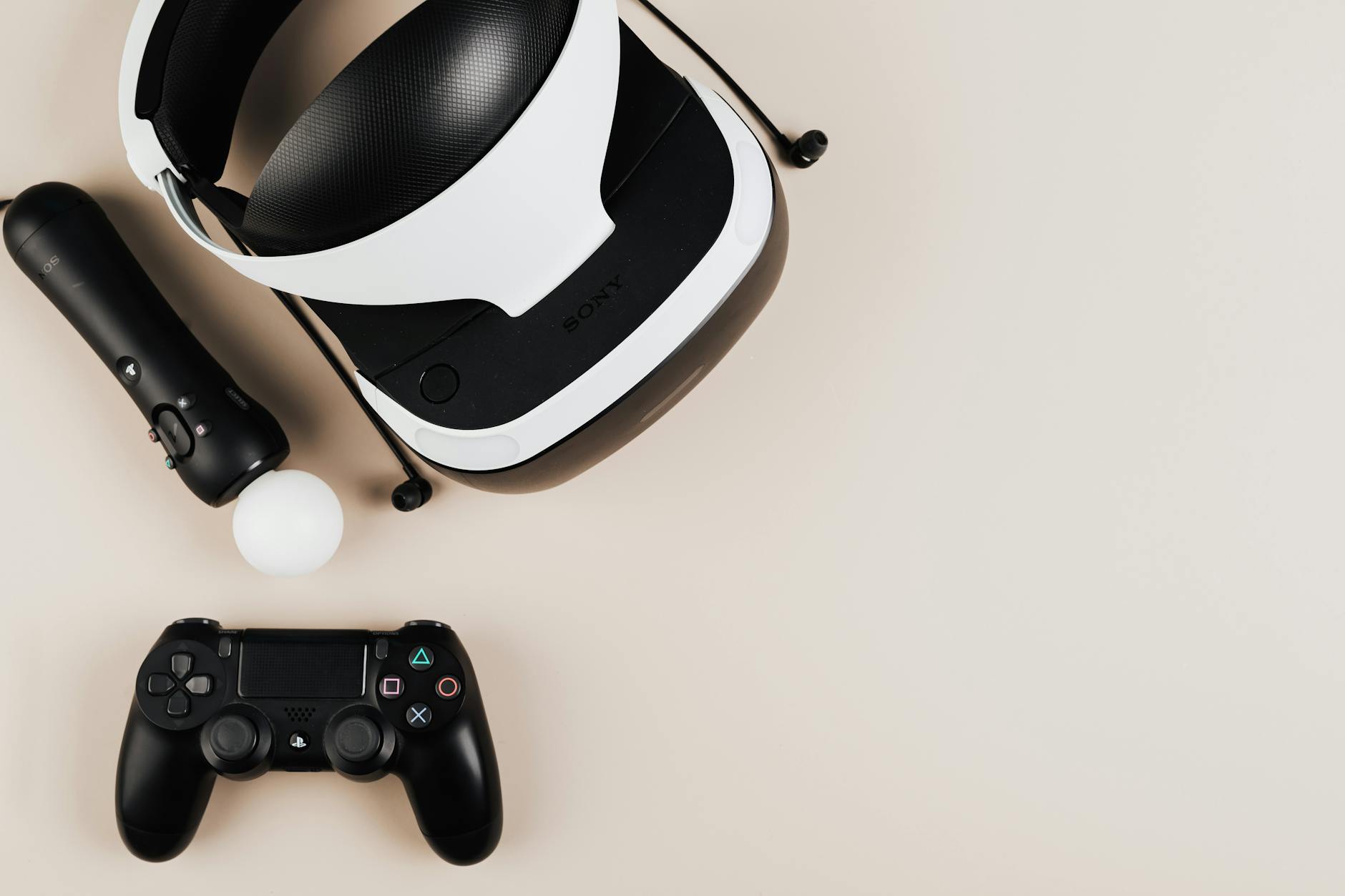
Integration with virtual reality headsets creates fully immersive experiences that engage multiple senses simultaneously. Users report significantly improved spatial awareness and reaction times when haptic feedback combines with VR visuals. This multi-sensory approach may influence broader gaming hardware development as manufacturers seek competitive advantages.
The Road Ahead
Haptic feedback technology continues evolving toward even greater realism and broader applications. Developers are working on systems that can simulate temperature changes, wind effects, and even olfactory elements to create comprehensive sensory experiences. These advances suggest haptic gaming will expand beyond racing to encompass adventure games, sports simulations, and educational applications.
The convergence of haptic technology with artificial intelligence promises adaptive feedback systems that learn individual preferences and optimize sensations for maximum immersion. As processing power increases and costs decrease, haptic feedback may become standard equipment for premium gaming setups, much like how high-refresh monitors and mechanical keyboards became mainstream among serious gamers.
Professional racing’s embrace of haptic training tools validates the technology’s accuracy and effectiveness. As these systems prove their worth in high-stakes environments, consumer adoption will likely accelerate, transforming how we experience digital worlds through the power of touch.
Frequently Asked Questions
How much do haptic feedback suits cost for gaming?
Consumer-grade haptic suits start around $2,000, with modular systems allowing gradual upgrades from basic to full-body feedback.
What racing games support haptic feedback suits?
Popular racing simulations like Assetto Corsa Competizione, iRacing, and other professional simulators offer haptic integration through specialized APIs.