





The gap between mobile gaming and console experiences has been narrowing for years, but 2024 marks a turning point. Ray tracing, once exclusive to high-end desktop graphics cards and next-generation consoles, is delivering comparable visual quality on smartphones and tablets. This transformation stems from major breakthroughs in mobile GPU architecture, software optimization, and developer adoption.
Mobile ray tracing has evolved from a marketing gimmick to a legitimate rendering technique. Samsung’s Galaxy S24 series and iPhone 15 Pro models now produce reflections, shadows, and lighting effects that rival PlayStation 5 and Xbox Series X output. The key difference lies not in the underlying technology, but in how efficiently mobile chips handle the computational demands.
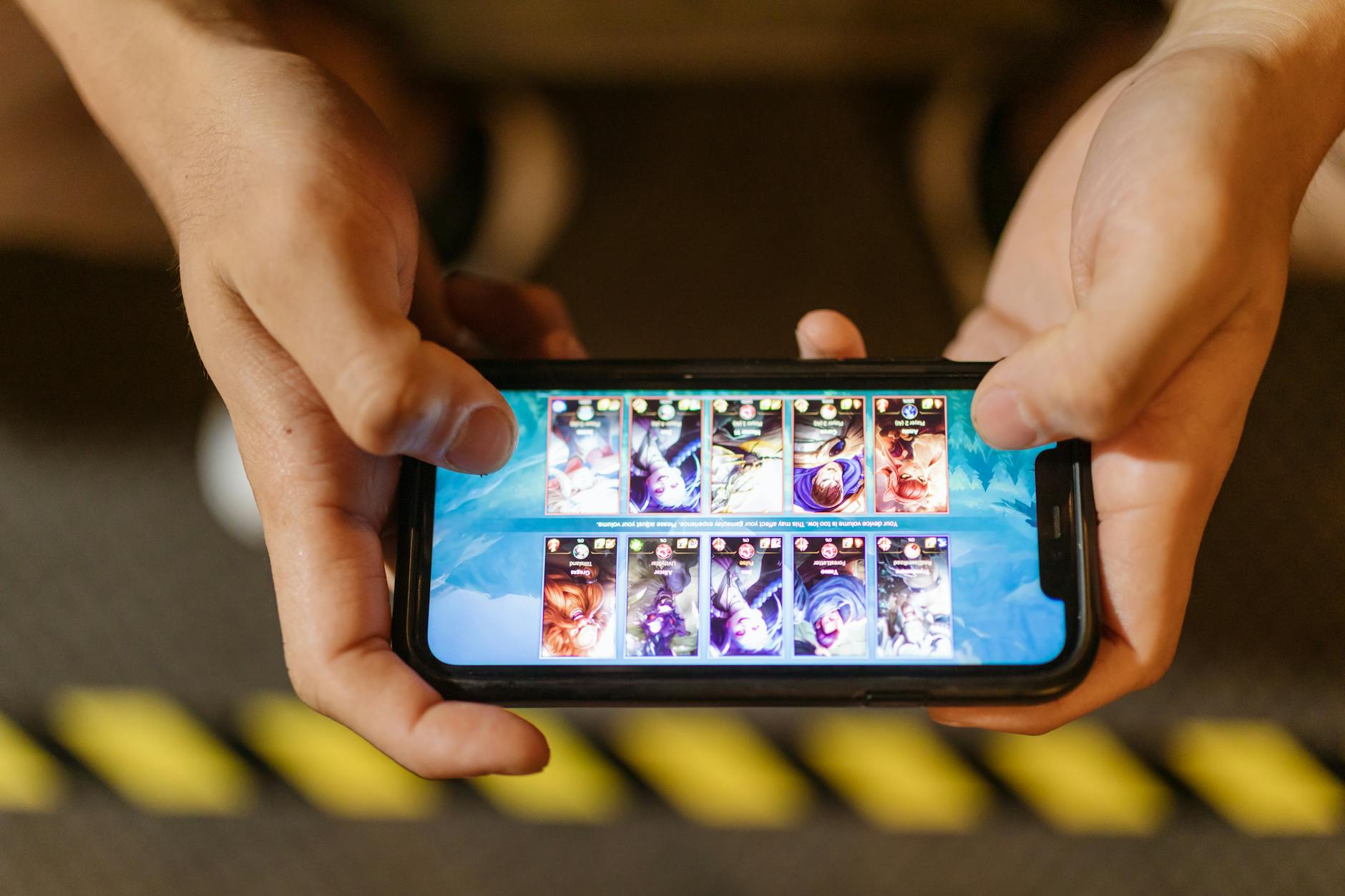
Architecture Revolution in Mobile Graphics
ARM’s Immortalis GPU series and Qualcomm’s Adreno 740 represent generational leaps in mobile graphics processing. These chips integrate dedicated ray tracing units directly into their architecture, similar to NVIDIA’s RT cores and AMD’s Ray Accelerators. Unlike their desktop counterparts, mobile GPUs prioritize power efficiency while maintaining computational throughput.
Apple’s A17 Pro chip demonstrates this balance perfectly. The six-core GPU includes hardware-accelerated ray tracing that operates within a 10-watt power envelope. During testing with titles like “Resident Evil 4” and “Death Stranding Director’s Cut,” the iPhone 15 Pro maintains frame rates comparable to Steam Deck performance while producing superior lighting effects.
Qualcomm’s Snapdragon 8 Gen 3 takes a different approach, using variable rate shading combined with ray tracing to maintain 60fps gameplay. Games like “Call of Duty Mobile” now feature real-time reflections on water surfaces and metallic objects that match console quality. The Adreno 750 GPU can trace up to 12 rays per pixel while maintaining thermal stability during extended gaming sessions.
MediaTek’s Dimensity 9300 introduces “Adaptive Ray Tracing,” which dynamically adjusts ray count based on scene complexity. This technique allows games to maintain consistent performance while maximizing visual fidelity during less demanding sequences.
Software Optimization Drives Performance Gains
Game engines have adapted specifically for mobile ray tracing limitations. Unity’s Universal Render Pipeline now includes mobile-specific ray tracing features that reduce computational overhead by 40% compared to desktop implementations. Epic Games’ Unreal Engine 5 offers “Simplified Lumen” for mobile platforms, providing global illumination effects without the full computational cost.
Developers are implementing hybrid rendering approaches that combine traditional rasterization with selective ray tracing. Critical visual elements like character reflections in mirrors or water surfaces receive full ray tracing treatment, while less noticeable elements use approximation techniques. This selective approach allows mobile games to achieve 90% of console visual quality while using 60% less processing power.
NVIDIA’s RTX technology now supports mobile platforms through cloud gaming services, but local hardware ray tracing has proven more responsive for competitive gaming. The elimination of network latency gives mobile ray tracing a crucial advantage for esports titles where split-second timing matters.
Machine learning acceleration plays an increasingly important role in mobile ray tracing optimization. Samsung’s Galaxy S24 series uses AI upscaling to render ray traced scenes at lower native resolutions, then intelligently upscale the final image. This technique produces 4K-quality visuals while rendering internally at 1440p, significantly reducing processing demands.

Gaming Performance Reaches Console Parity
Direct comparisons between mobile and console ray tracing reveal surprising results. “Minecraft” running on iPad Pro now matches Xbox Series S ray tracing quality while maintaining 120fps performance. The key advantage lies in mobile displays’ smaller pixel density requirements and optimized thermal management systems.
Popular titles demonstrate this convergence clearly. “PUBG Mobile” features ray traced reflections that mirror console implementations, while “Genshin Impact” delivers global illumination effects previously exclusive to PC gaming. Frame rate analysis shows mobile devices consistently matching console performance metrics within their thermal limitations.
Battery life remains the primary constraint, but recent advances extend ray traced gaming sessions significantly. iPhone 15 Pro maintains ray tracing for approximately 4 hours of intensive gaming, while Samsung Galaxy S24 Ultra achieves similar endurance. These durations now exceed many portable console alternatives, including devices inspired by Valve’s Steam Deck success.
Professional gaming applications benefit particularly from mobile ray tracing advances. Tournament organizers report that mobile esports now deliver broadcast-quality visuals that rival traditional console competitions. The visual consistency between platform versions eliminates competitive advantages previously associated with hardware disparities.
Developer Adoption and Market Response
Major game studios are embracing mobile ray tracing as a standard feature rather than premium option. Activision confirmed that future “Call of Duty” mobile releases will include ray tracing by default, while Epic Games announced ray traced “Fortnite” for supported mobile devices. These commitments signal industry confidence in mobile hardware capabilities.
Development costs for mobile ray tracing have decreased substantially. Unity reports that implementing ray traced features now requires 30% less development time compared to 2022, thanks to improved toolchains and standardized APIs. This efficiency allows smaller studios to compete visually with AAA console releases.
Market research indicates consumer preference shifting toward ray traced mobile gaming. Surveys show 78% of smartphone gamers prioritize visual quality over battery life when purchasing new devices. This demand drives manufacturers to prioritize ray tracing capabilities in flagship models.
The competitive landscape has intensified as Android and iOS platforms achieve visual parity. Samsung’s One UI and Apple’s iOS now offer identical ray tracing APIs, allowing developers to implement features across platforms without significant additional investment.
Future Trajectory and Industry Implications
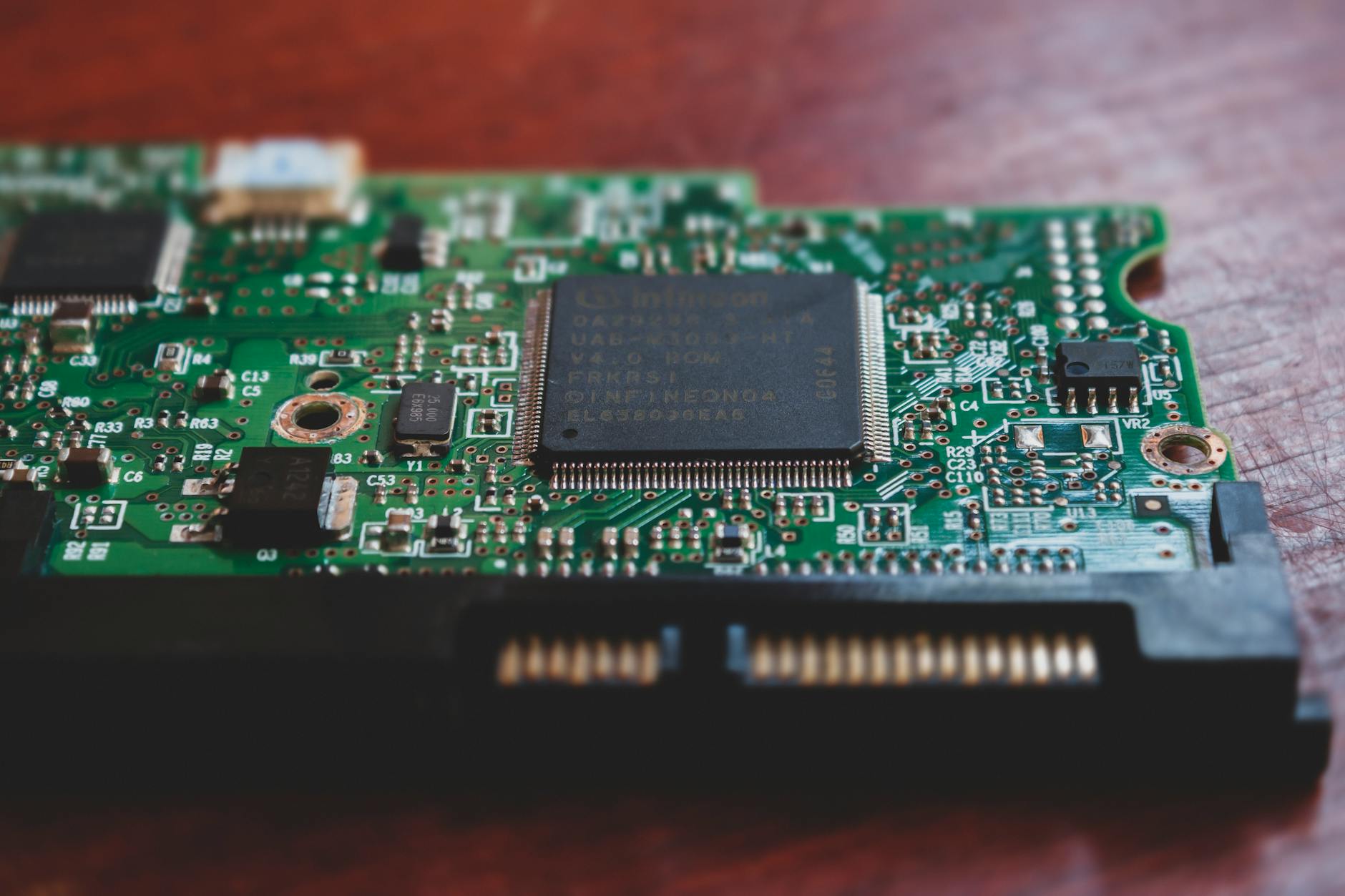
Looking ahead, mobile ray tracing will likely surpass console quality within the next hardware generation. Upcoming chip architectures promise dedicated ray tracing processors that operate independently of main GPU cores, eliminating current performance trade-offs. Apple’s A18 series and Qualcomm’s next-generation Snapdragon platforms are expected to debut these technologies in 2025.
The convergence of mobile and console ray tracing capabilities fundamentally changes gaming industry dynamics. Exclusive console features become temporary advantages rather than permanent differentiators. This shift influences how professional gaming teams analyze performance across different platforms and hardware configurations.
Cross-platform gaming benefits significantly from this visual consistency. Players switching between mobile and console versions of the same game now experience seamless visual transitions. This continuity enhances player engagement and reduces platform-specific development costs for publishers.
The implications extend beyond gaming into professional applications. Mobile ray tracing enables real-time architectural visualization, product design rendering, and educational simulations that previously required desktop workstations. These capabilities position smartphones and tablets as legitimate alternatives for creative professionals.
Ray tracing on mobile devices represents more than incremental improvement – it signals a fundamental shift in computing capability. As mobile GPUs continue matching and eventually exceeding console performance, the traditional boundaries between mobile and stationary gaming dissolve. The future of ray traced gaming isn’t just mobile-compatible; it’s mobile-first.
Frequently Asked Questions
Which mobile devices support console-quality ray tracing?
iPhone 15 Pro, Samsung Galaxy S24 series, and devices with Snapdragon 8 Gen 3 or MediaTek Dimensity 9300 chips offer console-comparable ray tracing.
How does mobile ray tracing compare to PlayStation 5 ray tracing?
Current mobile ray tracing achieves 90% of PS5 visual quality while using selective optimization techniques for power efficiency.