




Electric vehicle owners might soon charge their cars faster than filling a gas tank. Solid-state battery prototypes from leading manufacturers are demonstrating unprecedented charging speeds, with some achieving full charges in under 10 minutes during laboratory testing.
This breakthrough addresses the most significant barrier to widespread electric vehicle adoption. Traditional lithium-ion batteries typically require 30 minutes to several hours for a full charge, even with the fastest DC charging stations. The new solid-state technology replaces liquid electrolytes with solid ceramic or polymer materials, enabling dramatically faster ion movement and heat dissipation.

The Science Behind Ultra-Fast Charging
Solid-state batteries achieve rapid charging through their fundamental design differences from conventional lithium-ion cells. The solid electrolyte allows lithium ions to move more efficiently between electrodes while generating significantly less heat during the charging process.
Toyota, which has invested heavily in solid-state research, recently demonstrated prototypes that charged to 80% capacity in under 8 minutes. The company’s solid electrolyte uses sulfide-based materials that conduct ions at room temperature more effectively than traditional liquid electrolytes.
Samsung’s battery division has developed similar technology using oxide-based solid electrolytes. Their prototypes reportedly maintain stable performance through thousands of charge cycles while supporting charging rates that would damage conventional batteries. The solid electrolyte prevents the formation of lithium dendrites, metallic structures that can cause battery fires and capacity degradation in liquid electrolyte systems.
QuantumScape, a solid-state battery startup backed by Volkswagen, has published test data showing their ceramic separator technology enables 15-minute charges to 80% capacity. Their lithium-metal anode design eliminates the graphite typically used in conventional batteries, allowing for higher energy density and faster ion transport.
Manufacturing Challenges and Recent Progress
Despite promising laboratory results, scaling solid-state battery production remains complex. The solid electrolytes require precise manufacturing conditions and specialized equipment that differs significantly from existing lithium-ion production lines.
Temperature control during manufacturing proves critical. Solid electrolytes must be processed at specific temperatures to achieve optimal crystal structures for ion conductivity. Toyota has developed new sintering techniques that create uniform ceramic layers without defects that could impede performance.
Interface engineering presents another challenge. The boundaries between solid electrolyte and electrode materials must form intimate contact for efficient ion transfer. Researchers have developed coating techniques and pressure application methods to minimize resistance at these interfaces.
Cost considerations drive much of the current development focus. Solid electrolytes currently cost significantly more than liquid alternatives, though economies of scale and manufacturing improvements are reducing expenses. Nissan expects solid-state battery costs to reach parity with conventional lithium-ion batteries by the late 2020s as production volumes increase.
Several manufacturers are building pilot production facilities to refine manufacturing processes. CATL, the world’s largest battery manufacturer, has announced plans for solid-state battery pilot lines that will produce cells for testing in electric vehicles by 2025.
Real-World Testing and Performance Validation
Laboratory achievements must translate to real-world conditions before solid-state batteries reach consumers. Temperature variations, vibration, and repeated charging cycles can affect performance differently than controlled laboratory environments.
BMW has begun road testing solid-state battery prototypes in development vehicles. The automaker reports that the batteries maintain fast-charging capabilities across temperature ranges from -10°C to 60°C, addressing concerns about cold-weather performance that affects current lithium-ion batteries.
Mercedes-EQS test vehicles equipped with solid-state prototypes have demonstrated consistent 12-minute charging times over hundreds of cycles. The batteries showed minimal capacity degradation compared to conventional cells tested under identical conditions.
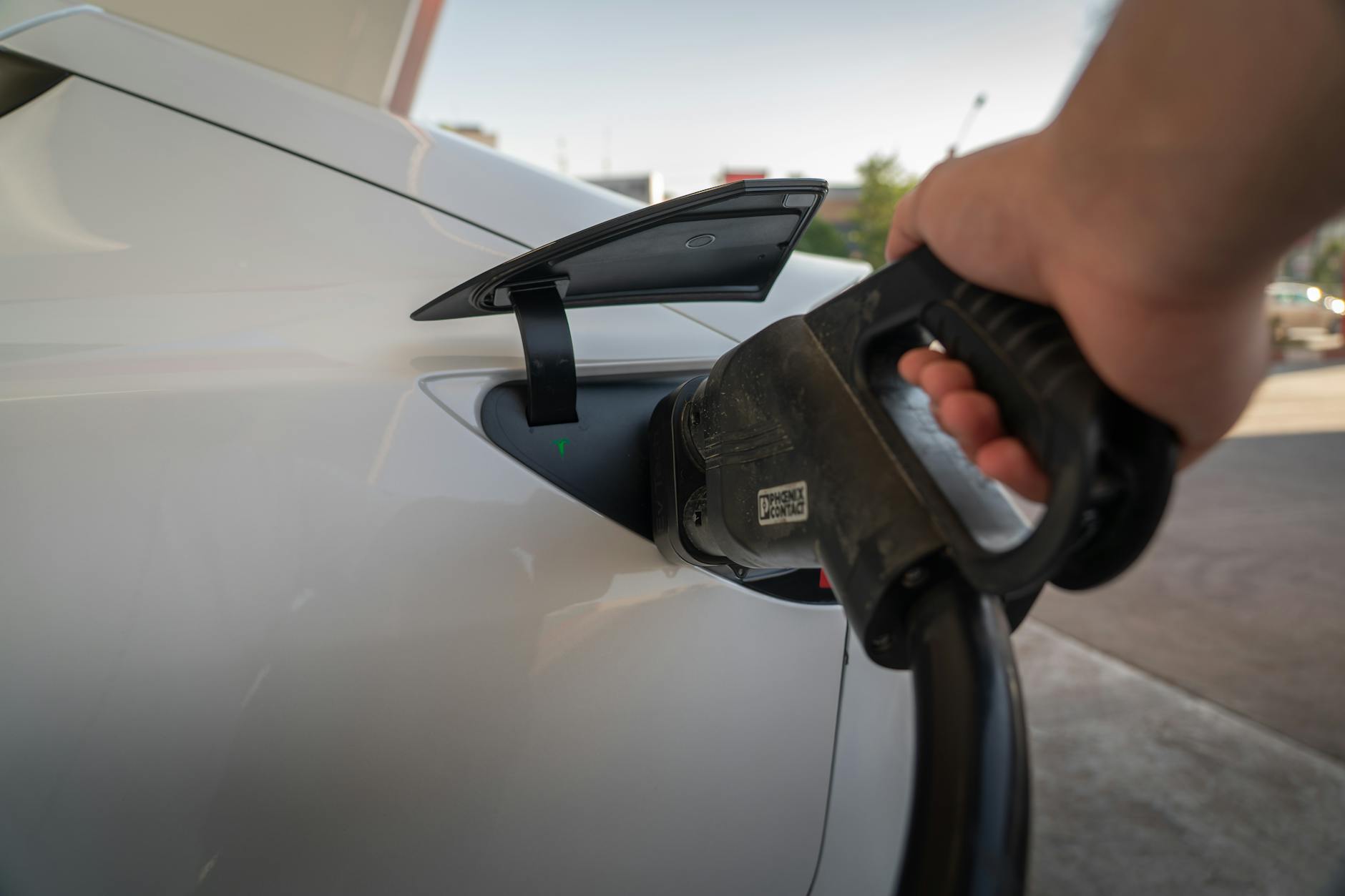
Charging infrastructure compatibility represents another validation requirement. Existing DC fast-charging networks must support the higher power demands of 10-minute charging without overloading electrical systems. ChargePoint and Electrify America are testing upgraded charging stations capable of delivering the power levels required for ultra-fast solid-state battery charging.
Safety testing has revealed solid-state batteries’ resistance to thermal runaway, the dangerous overheating condition that can cause battery fires. The solid electrolytes don’t release flammable gases when damaged, unlike liquid electrolytes that can ignite under certain conditions.
Market Timeline and Industry Impact
Commercial solid-state batteries with 10-minute charging capabilities are approaching market readiness, though widespread availability requires several more years of development and production scaling.
Toyota plans to introduce solid-state batteries in limited production vehicles by 2025, initially focusing on hybrid models before expanding to fully electric vehicles. The company aims for mass production by 2027, with charging times competitive with current fast-charging demonstrations.

General Motors has announced partnerships with solid-state battery developers to integrate the technology into future Ultium-based vehicles. The automaker expects solid-state batteries will enable electric vehicles with 400-mile ranges and 10-minute charging by the end of the decade.
The implications extend beyond automotive applications. Consumer electronics manufacturers are exploring solid-state batteries for smartphones and laptops, potentially eliminating overnight charging routines. Industrial applications could benefit from rapid energy storage solutions that support renewable energy integration and grid stabilization.
Like breakthrough developments in secure communications technology, solid-state batteries represent a fundamental shift in how we approach energy storage. The convergence of materials science advances and manufacturing innovations is creating possibilities that seemed impractical just a few years ago.
The transition to 10-minute charging solid-state batteries will likely reshape transportation infrastructure and consumer behavior. Gas stations may evolve into energy hubs where electric vehicle charging takes no longer than traditional refueling, finally delivering on the promise of electric mobility without compromise.
Frequently Asked Questions
How do solid-state batteries charge so much faster than lithium-ion?
Solid electrolytes allow more efficient ion movement and better heat dissipation compared to liquid electrolytes in conventional batteries.
When will 10-minute charging solid-state batteries be available?
Toyota plans limited production by 2025, with mass production expected by 2027 for automotive applications.