




SpaceX’s Starship test flights are doing more than pushing the boundaries of rocket engineering. Each mission carries sophisticated scientific instruments designed to analyze Martian soil composition, paving the way for future planetary exploration. While the rocket hasn’t reached Mars yet, these experimental payloads are testing technologies that could revolutionize our understanding of the Red Planet’s geology and potential for supporting life.
The massive 400-foot-tall Starship represents the most powerful rocket ever built, capable of carrying over 100 tons to Mars. But beyond its impressive cargo capacity, the vehicle serves as a flying laboratory for planetary science instruments. NASA and private research organizations have partnered with SpaceX to include specialized soil analysis equipment on test flights, using Earth’s upper atmosphere and space environment to validate systems destined for Mars.

Advanced Spectrometers Test Martian Conditions
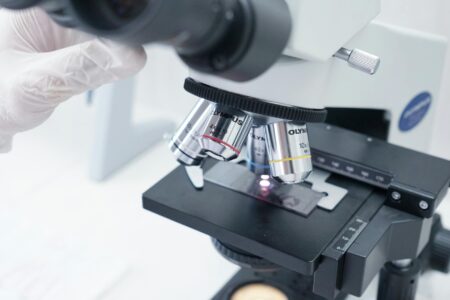
The latest Starship test flights carry miniaturized X-ray fluorescence spectrometers and laser-induced breakdown spectroscopy instruments. These devices can identify chemical elements in soil samples by analyzing how materials respond to high-energy radiation. During flight, they analyze atmospheric particles and cosmic dust to calibrate their sensors for the unique conditions they’ll encounter on Mars.
Traditional Mars rovers like Curiosity and Perseverance carry similar but larger instruments. The Starship missions allow engineers to test compact versions that maintain accuracy while reducing weight and power consumption. The zero-gravity environment during flight tests how these sensitive instruments perform without Earth’s gravitational influence, crucial for understanding their behavior during the months-long journey to Mars.
Dr. Sarah Chen from the Planetary Science Institute explains that these flight tests reveal unexpected challenges. “We discovered that cosmic radiation affects our calibration standards differently than predicted,” she notes. “These flights give us real data we can’t replicate in Earth-based laboratories.”
Sample Collection Systems Face Real-World Testing
Mars soil analysis requires more than just instruments – it needs reliable sample collection mechanisms. Starship flights test robotic drilling systems and pneumatic sample handlers designed to work in Mars’ thin atmosphere and extreme temperatures. The flight environment, while not identical to Mars, provides similar challenges including temperature fluctuations and reduced atmospheric pressure.
The sample collection systems being tested include heated chambers that can keep soil samples stable during analysis. Mars experiences temperature swings from 70 degrees Fahrenheit during summer to minus 195 degrees in winter. The heating systems must work reliably across this range while consuming minimal power from solar panels or nuclear batteries.
Engineers have integrated machine learning algorithms that help the collection systems identify promising soil samples autonomously. Rather than waiting for commands from Earth – which can take up to 24 minutes to arrive – future Mars missions will make real-time decisions about which samples deserve detailed analysis.
Preparing for Subsurface Water Detection
One of the most exciting aspects of Mars soil analysis involves searching for subsurface water or ice. Starship missions carry ground-penetrating radar systems and electromagnetic sensors designed to detect water signatures up to several meters below the surface. These instruments need extensive testing because Mars’ iron-rich soil creates unique electromagnetic signatures that could mask water signals.
The flight tests help calibrate these water-detection instruments by analyzing Earth’s upper atmosphere, which contains trace amounts of water vapor at various altitudes. This data helps scientists understand how their instruments respond to different water concentrations and atmospheric conditions.
Water detection on Mars could reveal not just the planet’s geological history but also potential sites for future human settlements. Underground water ice could be converted to drinking water, oxygen for breathing, and hydrogen for rocket fuel. The soil analysis experiments aboard Starship are essentially scouting tools for humanity’s expansion beyond Earth.
Recent discoveries by NASA’s Mars Reconnaissance Orbiter suggest extensive underground ice deposits across much of the planet. The new generation of soil analysis instruments being tested on Starship flights could provide ground-truth verification of these orbital observations. This connection between space-based astronomy and surface exploration mirrors how JWST’s exoplanet discoveries are reshaping astrobiology research priorities, combining different observational approaches for comprehensive understanding.
Integration with Life Detection Protocols
The soil analysis experiments also test protocols for detecting signs of past or present microbial life. Mars likely harbored liquid water billions of years ago, and some scientists believe microbial life could still exist in subsurface environments. The instruments aboard Starship flights can identify organic compounds and isotopic signatures that might indicate biological activity.
These life detection systems use multiple analytical approaches simultaneously. Chromatography separates organic compounds, while mass spectrometry identifies their molecular structure. Isotope analysis looks for the specific ratios of carbon, sulfur, and nitrogen that biological processes create. Testing these integrated systems during Starship flights ensures they work together seamlessly under space conditions.
The biological contamination protocols are equally important. Earth microbes could survive the journey to Mars and contaminate samples, creating false positive results. The flight tests validate sterilization procedures and contamination monitoring systems that will protect the scientific integrity of Mars soil analysis.
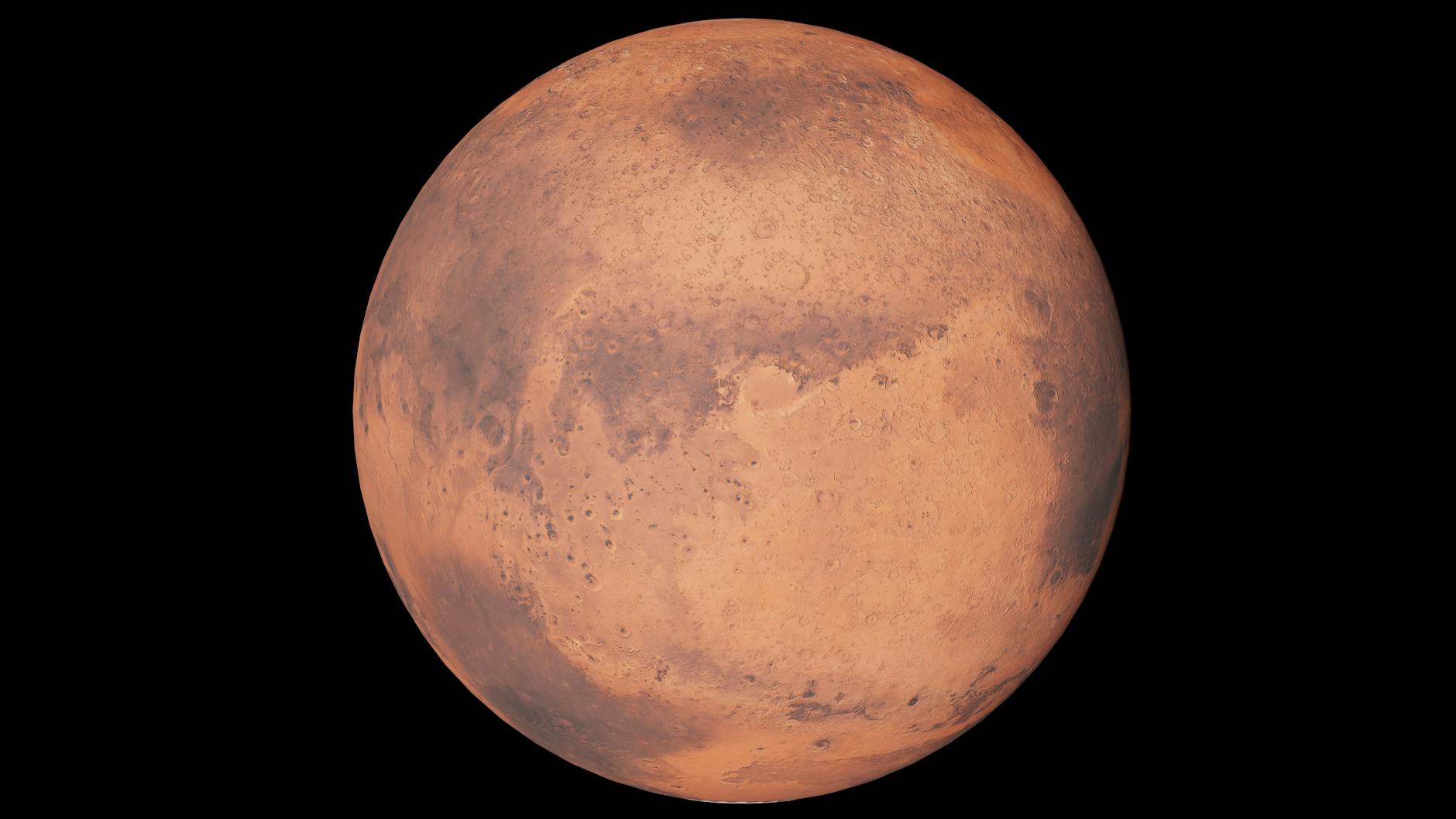
The success of these soil analysis experiments aboard Starship missions represents a crucial step toward comprehensive Mars exploration. Each test flight refines the instruments and procedures that will eventually unlock Mars’ secrets. When the first crewed Starship lands on Mars, possibly within the next decade, these proven soil analysis systems will immediately begin answering fundamental questions about the Red Planet’s past, present, and potential for supporting human life.
The integration of advanced soil analysis capabilities with Starship’s massive cargo capacity creates unprecedented opportunities for Mars science. Future missions could deploy networks of automated laboratories across the Martian surface, each equipped with the instruments currently being tested in Earth’s upper atmosphere. This technological foundation, built through systematic flight testing, will transform our understanding of Mars from orbital observations to comprehensive geological and biological surveys.
Frequently Asked Questions
What soil analysis instruments does Starship carry?
Starship carries X-ray fluorescence spectrometers, laser spectroscopy instruments, ground-penetrating radar, and sample collection systems designed for Mars missions.
How do these tests help Mars exploration?
The flight tests calibrate instruments for space conditions and validate systems that will analyze Martian soil composition and search for water or signs of life.