




Graphics card manufacturers have quietly implemented a technological arms race against cryptocurrency miners, hardcoding restrictions directly into their latest hardware to prioritize gamers and professionals over digital currency operations. NVIDIA, AMD, and Intel have all introduced mining-specific limitations that throttle hash rates when cryptocurrency mining algorithms are detected, fundamentally changing how these powerful processors handle computational workloads.
The shift represents a dramatic reversal from the mining boom years of 2017 and 2021, when cryptocurrency demand drove graphics card prices to unprecedented heights and left gamers unable to purchase hardware for months at a time. Now, manufacturers are taking a hardline stance, implementing firmware-level restrictions that cannot be easily bypassed through software modifications or driver updates.
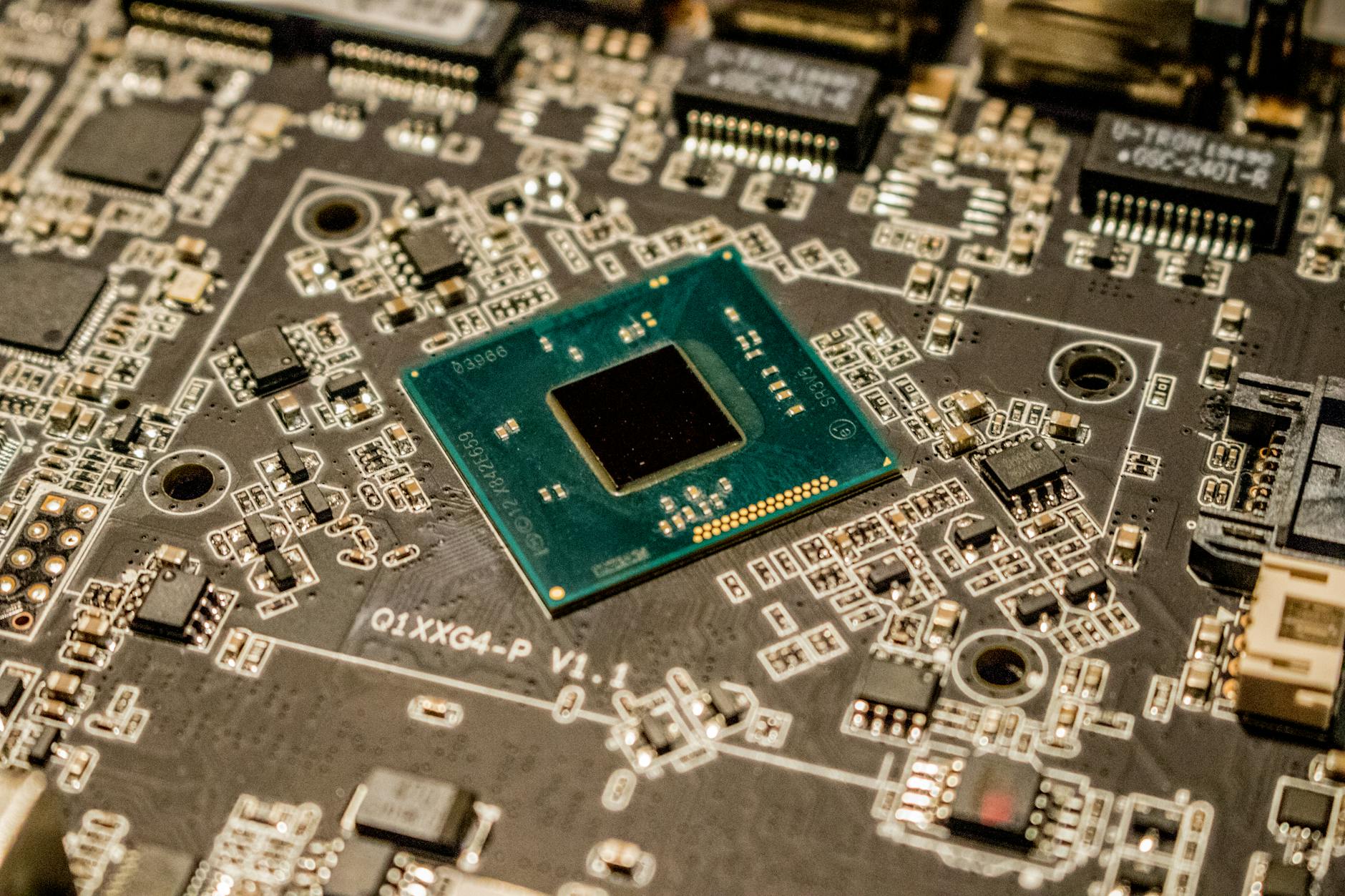
Hardware-Level Mining Detection Systems
Modern graphics cards now include sophisticated detection mechanisms that identify cryptocurrency mining operations at the silicon level. NVIDIA’s Lite Hash Rate technology, first introduced with RTX 30-series cards, monitors computational patterns and reduces Ethereum mining performance by approximately 50% when specific algorithms are detected. The system operates through a combination of hardware sensors, firmware checks, and driver authentication that work together to identify mining workloads.
AMD has implemented similar restrictions through their Smart Access Memory technology and RDNA architecture modifications. These systems analyze memory access patterns, computational load distribution, and thermal signatures that are characteristic of mining operations. Unlike software-based solutions, these hardware restrictions cannot be disabled through registry modifications or third-party drivers.
Intel’s entry into the discrete graphics market with Arc GPUs includes built-in mining limitations from launch. The company learned from the market disruption caused by previous mining booms and designed their hardware with gaming and content creation as the primary use cases. Intel’s approach focuses on architectural optimizations that favor graphics rendering over repetitive hash calculations.
The detection systems have evolved to recognize newer mining algorithms beyond Ethereum, including proof-of-work calculations for alternative cryptocurrencies and even some proof-of-stake validation processes. Manufacturers regularly update their firmware to address new mining software that attempts to circumvent existing restrictions.
Market Response and Consumer Impact
Graphics card availability has improved significantly since mining restrictions were implemented industry-wide. Retailers report more consistent stock levels, and pricing has stabilized closer to manufacturer suggested retail prices. The Steam Hardware Survey shows increased adoption of current-generation graphics cards among gamers, indicating that hardware is reaching its intended audience rather than being diverted to mining operations.
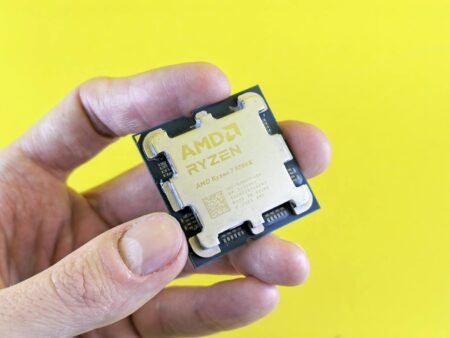
Professional users in fields like machine learning, scientific computing, and video production have largely remained unaffected by mining restrictions. The detection algorithms are specifically designed to target cryptocurrency mining patterns while allowing other compute-intensive applications to run at full performance. Recent processor developments have also provided alternative computing options for professionals who need maximum performance.

However, some legitimate use cases have been inadvertently affected. Distributed computing projects, certain scientific simulations, and blockchain development work sometimes trigger the mining detection systems. Manufacturers have worked to whitelist known legitimate applications, but edge cases continue to emerge as the technology evolves.
Mining-focused hardware manufacturers have responded by developing specialized ASIC miners and dedicated mining GPUs that bypass consumer graphics card restrictions entirely. Companies like Bitmain and Canaan have accelerated development of application-specific integrated circuits designed exclusively for cryptocurrency mining, reducing demand pressure on consumer graphics hardware.
Technical Implementation and Circumvention Attempts
The mining restriction systems operate through multiple layers of hardware and firmware integration. Graphics processors now include dedicated monitoring circuits that track computational patterns, memory bandwidth usage, and power consumption signatures associated with mining operations. These monitoring systems are hardwired into the GPU silicon and cannot be modified through software updates.
Firmware authentication prevents users from flashing modified BIOS versions that might disable mining restrictions. Each graphics card includes cryptographic verification that ensures only manufacturer-approved firmware can be installed. Attempts to modify or bypass this authentication result in the card refusing to operate or falling back to basic display functionality.
Driver-level restrictions provide an additional security layer, with graphics drivers regularly checking for mining software signatures and known mining pool connections. The drivers communicate with the hardware-level monitoring systems to ensure consistent restriction enforcement across all system components.
Despite these comprehensive measures, some circumvention attempts have emerged. Modified mining software tries to disguise cryptocurrency operations as legitimate compute workloads, while some miners have attempted hardware modifications to bypass detection circuits. However, these approaches generally result in reduced mining efficiency or hardware damage, making them economically unviable for large-scale operations.
Manufacturers continue to refine their detection algorithms through firmware updates that address new bypass attempts. The ongoing technological development resembles a security arms race, with each side developing increasingly sophisticated approaches to achieve their objectives.

Industry Implications and Future Outlook
The implementation of mining restrictions has fundamentally altered the graphics card market ecosystem. Manufacturers now design hardware with specific user segments in mind, rather than selling general-purpose computing devices that could be repurposed for cryptocurrency mining. This approach has improved market predictability and reduced the boom-bust cycles that previously characterized graphics hardware sales.
Data center operators and cloud computing providers have adapted by developing specialized infrastructure for customers who need unrestricted computational access. Corporate infrastructure decisions increasingly factor in the availability of hardware that meets specific computational requirements without artificial limitations.
The restrictions have also influenced cryptocurrency network development, with some blockchain projects moving away from graphics card-dependent mining algorithms toward alternative consensus mechanisms. Ethereum’s transition to proof-of-stake validation eliminated the largest source of graphics card mining demand, while newer cryptocurrencies are designing algorithms that favor specialized hardware over consumer graphics cards.
Future graphics card generations will likely include even more sophisticated restriction mechanisms as manufacturers refine their approaches. Machine learning integration may enable real-time analysis of computational workloads, allowing for more precise identification of mining operations while minimizing false positives that affect legitimate users.
The precedent set by mining restrictions may extend to other use cases where manufacturers want to control hardware utilization. As computing hardware becomes increasingly specialized, the ability to enforce intended usage through hardware and firmware restrictions represents a significant shift in how technology companies manage their products after sale.
Graphics card manufacturers have successfully rebalanced their market by implementing comprehensive mining restrictions that operate at the hardware level. These technological barriers have restored availability for gamers and professionals while pushing cryptocurrency mining toward specialized hardware solutions, fundamentally restructuring the relationship between consumer graphics hardware and digital currency operations.
Frequently Asked Questions
Can mining restrictions on graphics cards be bypassed?
Modern restrictions operate at the hardware level through firmware and silicon-based detection, making effective bypass methods extremely difficult and usually economically unviable.
Do mining restrictions affect non-cryptocurrency applications?
Most legitimate applications including gaming, video editing, and machine learning run unaffected, though some distributed computing projects may occasionally trigger false positives.