




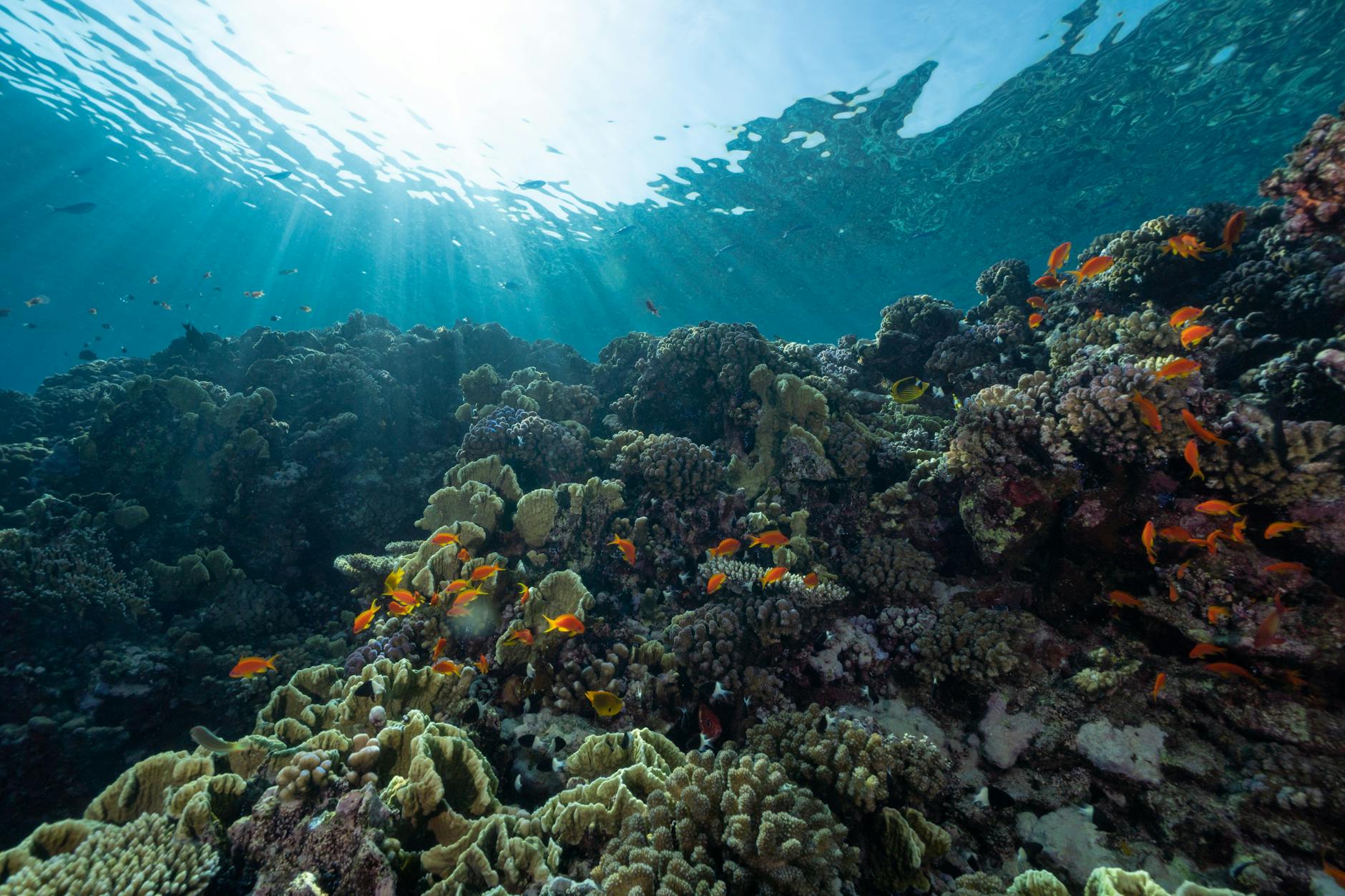
The world’s coral reefs are dying at an unprecedented rate, with rising ocean temperatures and acidification threatening these vital ecosystems. But marine biologists aren’t giving up. They’re deploying a new generation of underwater drones equipped with advanced sensors and restoration tools to fight back against coral bleaching and death.
These robotic systems are revolutionizing how scientists approach coral restoration, offering precision and scale that human divers simply cannot match. From the Great Barrier Reef to Caribbean waters, researchers are using remotely operated vehicles (ROVs) and autonomous underwater vehicles (AUVs) to plant coral fragments, monitor reef health, and even deliver targeted treatments to diseased coral colonies.
The technology represents a significant shift from traditional restoration methods, which relied heavily on human divers working in dangerous conditions with limited time underwater. Now, these tireless mechanical assistants can operate for hours at depths that would be impossible or extremely hazardous for humans.
Precision Planting at Scale
Traditional coral restoration involves divers carefully cementing coral fragments to reef structures by hand. This process is labor-intensive, dangerous, and limited by human endurance and diving restrictions. Marine biologists can typically work for only 30-60 minutes at a time at depths beyond recreational diving limits.
Underwater drones eliminate these constraints. The Woods Hole Oceanographic Institution has developed ROVs capable of operating at depths exceeding 200 feet for extended periods. These systems use robotic arms with specialized grippers designed to handle delicate coral fragments without causing damage.
The precision of robotic systems also allows for strategic placement that maximizes survival rates. Drones can position coral fragments in optimal locations based on water flow patterns, light availability, and substrate quality – factors that human divers might overlook in the limited time they have underwater.
Recent pilot programs in Florida’s coral reef tract have demonstrated the effectiveness of this approach. Research teams report planting coral fragments 300% faster using drone-assisted methods compared to traditional diving techniques. The survival rates of drone-planted corals have matched or exceeded those planted by human divers in several studies.
Advanced Monitoring and Data Collection
Beyond planting, underwater drones serve as sophisticated monitoring platforms that provide unprecedented insight into reef health and restoration progress. Modern ROVs carry an array of sensors including high-resolution cameras, pH meters, temperature sensors, and fluorescence detectors that can identify stressed corals before visible bleaching occurs.
The National Oceanic and Atmospheric Administration (NOAA) has deployed autonomous underwater vehicles equipped with specialized imaging systems that can map entire reef sections in three dimensions. These detailed surveys help scientists track coral growth rates, identify disease outbreaks, and monitor the spread of invasive species.
Some drones now incorporate artificial intelligence algorithms that can automatically identify different coral species, assess their health status, and detect early signs of disease or bleaching. This automated analysis dramatically reduces the time required to process monitoring data and allows for rapid response to emerging threats.
The continuous monitoring capabilities of autonomous systems provide data streams that would be impossible to collect through periodic human surveys. Some AUVs can patrol designated reef areas for weeks at a time, surfacing periodically to transmit data via satellite communication systems.
Targeted Treatment and Intervention
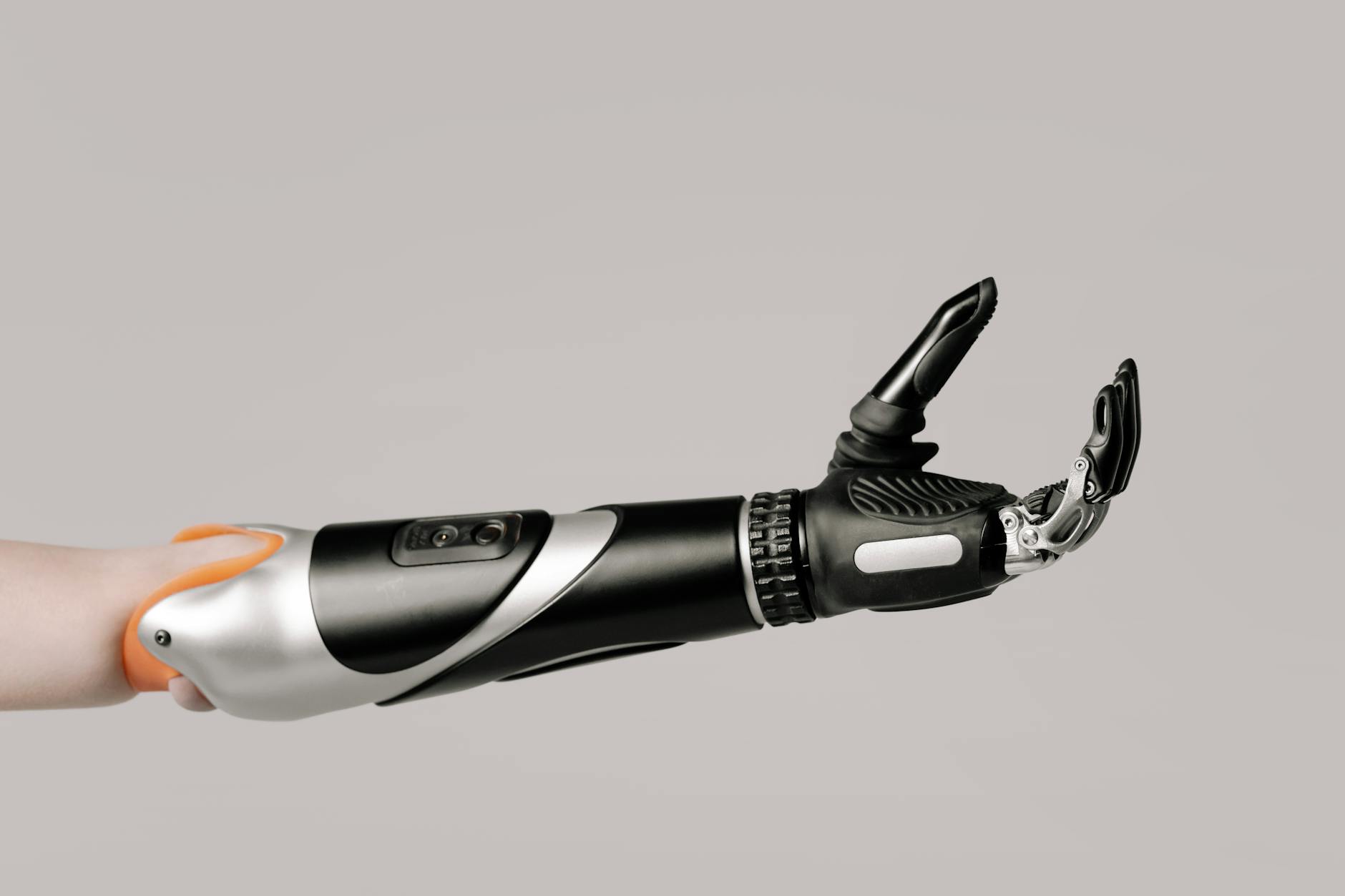
Perhaps most remarkably, researchers are developing drones capable of delivering targeted treatments to diseased or stressed coral colonies. These systems can apply antifungal treatments, probiotics, or protective coatings with surgical precision, minimizing impact on healthy surrounding corals.
The Australian Institute of Marine Science has tested ROVs equipped with micro-injection systems that can deliver beneficial bacteria directly to coral polyps. These probiotics help corals resist bleaching and recover from stress more quickly. The precision delivery system ensures that treatments reach their intended targets without affecting non-target organisms.
Other experimental systems can deploy shade structures or cooling devices to protect vulnerable coral colonies during extreme temperature events. While still in development, these interventions represent a proactive approach to reef management that could prevent bleaching events rather than simply responding to them after they occur.
Temperature regulation systems mounted on underwater drones have shown promise in small-scale tests. These systems use thermoelectric cooling to create localized temperature refuges around particularly valuable or vulnerable coral colonies during heat stress events.
Integration with Emerging Technologies
The effectiveness of underwater drone restoration programs is being enhanced through integration with other cutting-edge technologies. Genetic analysis tools help identify coral varieties most likely to survive in changing ocean conditions, while CRISPR gene editing techniques being developed for agriculture show potential applications in coral resilience research.
Advanced battery systems, similar to those being developed for electric vehicles, are extending drone operation times and reducing the need for frequent surface intervals. Some experimental systems incorporate solar panels that allow for extended autonomous operation in shallow water environments.
Satellite connectivity enables real-time data transmission and remote operation of drone fleets from research stations thousands of miles away. This capability allows expert marine biologists to direct restoration efforts in multiple locations simultaneously, maximizing the impact of limited human expertise.
Machine learning algorithms continue to improve the autonomous capabilities of these systems. Future generations of restoration drones may be able to independently identify optimal planting sites, select appropriate coral fragments, and execute complex restoration protocols without direct human supervision.
Looking Forward
The integration of underwater drones into coral restoration represents just the beginning of a technological revolution in marine conservation. As these systems become more sophisticated and cost-effective, their deployment will likely expand to threatened reef systems worldwide.
Current limitations include battery life, communication challenges at depth, and the high cost of specialized equipment. However, rapid advances in underwater robotics and marine technology are addressing these obstacles. Industry partnerships are driving down costs while improving capability and reliability.
The success of drone-assisted coral restoration could serve as a model for other marine conservation efforts. Similar technologies show promise for kelp forest restoration, seagrass planting, and invasive species management in marine environments.
As coral reefs face unprecedented challenges from climate change and human activities, these technological tools offer hope for preserving some of the ocean’s most biodiverse and economically important ecosystems. The combination of human expertise and robotic precision may prove essential for maintaining healthy coral reefs for future generations.
Frequently Asked Questions
How do underwater drones help with coral restoration?
Drones can plant coral fragments with precision, monitor reef health continuously, and deliver targeted treatments to diseased corals at depths unsafe for human divers.
Are drone-planted corals as successful as those planted by human divers?
Studies show drone-planted coral survival rates match or exceed those of traditionally planted corals, with the added benefit of faster planting speeds.