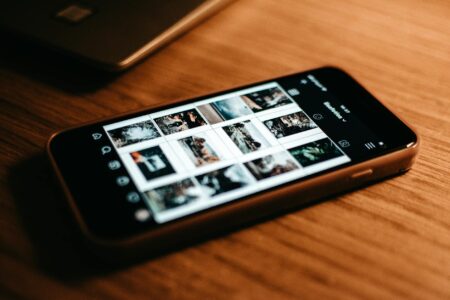





Your Instagram feed looks impossibly polished. Every photo carries that subtle, nostalgic texture that whispers “professional photographer” even when shot on a phone during lunch break. The secret isn’t expensive equipment or years of training – it’s film grain effects, and they’re everywhere in mobile photography apps.
Film grain, those tiny speckled particles that once plagued analog photographers, has become the most sought-after digital effect. Apps like VSCO, Lightroom Mobile, and Snapseed now dedicate entire sections to replicating what photographers once spent fortunes trying to eliminate. This isn’t just another filter trend – it represents a fundamental shift in how we view digital perfection.
The Psychology Behind Imperfection
Digital photos are too clean. That clinical precision of modern smartphone cameras, while technically superior, lacks emotional resonance. Film grain adds randomness, breathing life into sterile pixels. Each grain pattern is unique, impossible to replicate exactly, creating authenticity that algorithms can’t manufacture.
Professional photographers understand this instinctively. Renowned portrait photographer Peter Hurley deliberately adds grain to his digital work, explaining that it “gives the image soul.” When celebrities post grainy photos on social media, engagement rates spike. The imperfection creates intimacy, suggesting candidness over calculation.
Mobile app developers recognized this psychological trigger. VSCO’s film presets, complete with grain structures, transformed amateur photography. Users weren’t just applying filters – they were accessing decades of photographic heritage compressed into smartphone software.
The grain effect taps into nostalgia for tactile experiences. In an increasingly digital world, we crave textures that remind us of physical objects. Film grain represents touch, imperfection, humanity. It’s why vinyl records outsell CDs despite inferior technical specifications.
Technical Evolution of Digital Grain
Early digital grain effects were crude, often appearing as uniform noise scattered across images. Modern implementations are sophisticated, analyzing luminance, color temperature, and subject matter to apply grain selectively. Adobe’s algorithm studies thousands of film stock samples, recreating grain patterns from Kodak Tri-X to Fuji Pro 400H with mathematical precision.
Current mobile apps use machine learning to match grain characteristics to specific shooting conditions. Bright daylight shots receive fine, subtle grain resembling Kodak Portra. Low-light images get coarser patterns mimicking pushed film. The software considers ISO equivalents, exposure compensation, and color profiles when determining grain intensity.
Hardware acceleration makes these calculations possible in real-time. Dedicated AI processing chips in modern smartphones handle grain rendering without draining battery life. What once required desktop computers now processes instantly on phones.
App developers collaborate with film manufacturers to ensure accuracy. Fujifilm partnered with several mobile apps to recreate their legendary film stocks digitally. These partnerships provide access to proprietary grain structures, color science, and development characteristics that independent developers couldn’t replicate.
Professional Adoption and Industry Impact
Professional photographers increasingly rely on mobile apps for client work. Wedding photographer Jonas Peterson shoots entire ceremonies on iPhone, applying film grain effects before delivery. His clients prefer the organic look over traditional digital processing.
Commercial photographers use mobile grain effects for social media content. Fashion brands request grainy, film-like aesthetics for Instagram campaigns. The authentic feel resonates with younger demographics who associate smooth digital images with corporate manipulation.
Music industry professionals adopted mobile grain effects for album artwork and promotional materials. Record labels commission photographers to shoot with apps that replicate specific film stocks. The grainy aesthetic aligns with vinyl revival trends and authentic artist branding.
Film grain effects influence hardware development. Camera manufacturers study popular grain patterns to inform sensor design. Some mirrorless cameras now include built-in grain modes, eliminating post-processing steps. The feedback loop between software effects and hardware capabilities drives innovation across both industries.
Documentary photographers embrace mobile grain for its efficiency. Sebastião Salgado experimented with smartphone photography, noting how grain effects enhanced emotional impact without traditional darkroom processes. The accessibility democratizes techniques once limited to expensive equipment.
Platform-Specific Innovations
Instagram’s algorithm favors authentic-looking content, inadvertently promoting grain effects. Posts with subtle film textures receive higher engagement rates than perfectly smooth images. Content creators discovered this pattern, leading to widespread adoption of grain-heavy filters.
TikTok users employ grain effects for vintage aesthetics. The platform’s short-form video format benefits from textural elements that grab attention quickly. Grain adds visual interest without requiring complex editing skills.
Snapchat’s partnership with film emulation companies brought professional-grade grain effects to casual users. The app’s AR capabilities allow real-time grain preview, enabling users to see effects before capture. This immediate feedback loop accelerated adoption among younger demographics.
Professional apps like Capture One and Lightroom Mobile introduced subscription models partially funded by grain effect development. Users pay monthly fees primarily for access to constantly updated film stock emulations. The recurring revenue model sustains ongoing research into grain characteristics.
Future Directions and Emerging Trends
Artificial intelligence will soon generate grain patterns based on subject matter and shooting conditions. Current research focuses on contextual grain application – portraits receiving different treatments than landscapes. Machine learning models trained on millions of film photographs will create grain patterns optimized for specific scenarios.
Haptic feedback integration promises tactile grain experiences. Future smartphones might vibrate subtly when applying grain effects, creating physical connections to digital textures. This multisensory approach could deepen emotional responses to processed images.
Collaborative filtering allows multiple users to contribute to grain pattern development. Community-driven databases collect grain samples from various film stocks, geographic locations, and development processes. These crowd-sourced libraries will provide unprecedented variety in digital grain effects.
The democratization of professional techniques continues reshaping photography. Film grain effects represent broader trends toward accessible creativity tools. As mobile hardware capabilities expand, expect more sophisticated emulations that rival traditional film photography in authenticity and emotional impact.
Frequently Asked Questions
Why are photographers adding grain to digital photos?
Film grain adds authenticity and emotional resonance that perfectly clean digital images lack, creating more engaging and intimate photographs.
Which mobile apps offer the best film grain effects?
VSCO, Lightroom Mobile, and Snapseed lead the market with sophisticated grain algorithms that replicate specific film stock characteristics.