




The Solar Revolution Behind Your Roof
Solar panels have dominated rooftops for decades, but their silicon hearts are about to get a major upgrade. Perovskite solar cells, named after a crystal structure discovered in Russian minerals, are pushing efficiency rates beyond 25% while promising dramatically lower manufacturing costs. Major manufacturers including Oxford PV and Swift Solar are already moving these next-generation cells from laboratory benches to production lines.
The shift represents more than just incremental improvement. While traditional silicon panels require energy-intensive manufacturing at temperatures exceeding 1000 degrees Celsius, perovskite cells can be processed at room temperature using simple printing techniques. This fundamental difference is driving a manufacturing revolution that could reshape the global solar industry.

Breaking Silicon’s Efficiency Ceiling
Silicon solar cells hit a practical efficiency limit around 26%, but perovskite materials are already pushing past this barrier in commercial applications. Oxford PV recently demonstrated perovskite-silicon tandem cells achieving over 29% efficiency in real-world conditions, while maintaining stability over thousands of hours of testing.
The breakthrough comes from perovskite’s unique crystal structure, which can be tuned to absorb different wavelengths of light more effectively than silicon. By stacking perovskite layers on top of traditional silicon cells, manufacturers create tandem designs that capture energy across a broader spectrum. The top perovskite layer harvests high-energy blue and green light, while the silicon bottom layer processes red and infrared wavelengths that pass through.
This spectral splitting approach addresses silicon’s fundamental limitation – it converts only specific light wavelengths efficiently, wasting much of the solar spectrum as heat. Perovskite materials can be chemically modified to target precise wavelengths, creating custom-designed cells for different climates and applications.
Field testing across various climates has shown these tandem cells maintain their efficiency advantage even in challenging conditions. Desert installations in Arizona and humid coastal deployments in Florida both demonstrate sustained performance improvements over silicon-only alternatives.
Manufacturing Costs Plummet
The manufacturing revolution behind perovskite cells rivals their efficiency gains. Traditional silicon panel production requires massive capital investment – purifying raw silicon, growing crystals, slicing wafers, and assembling cells in cleanroom facilities. The entire process demands temperatures hot enough to melt copper and specialized equipment costing hundreds of millions per factory.
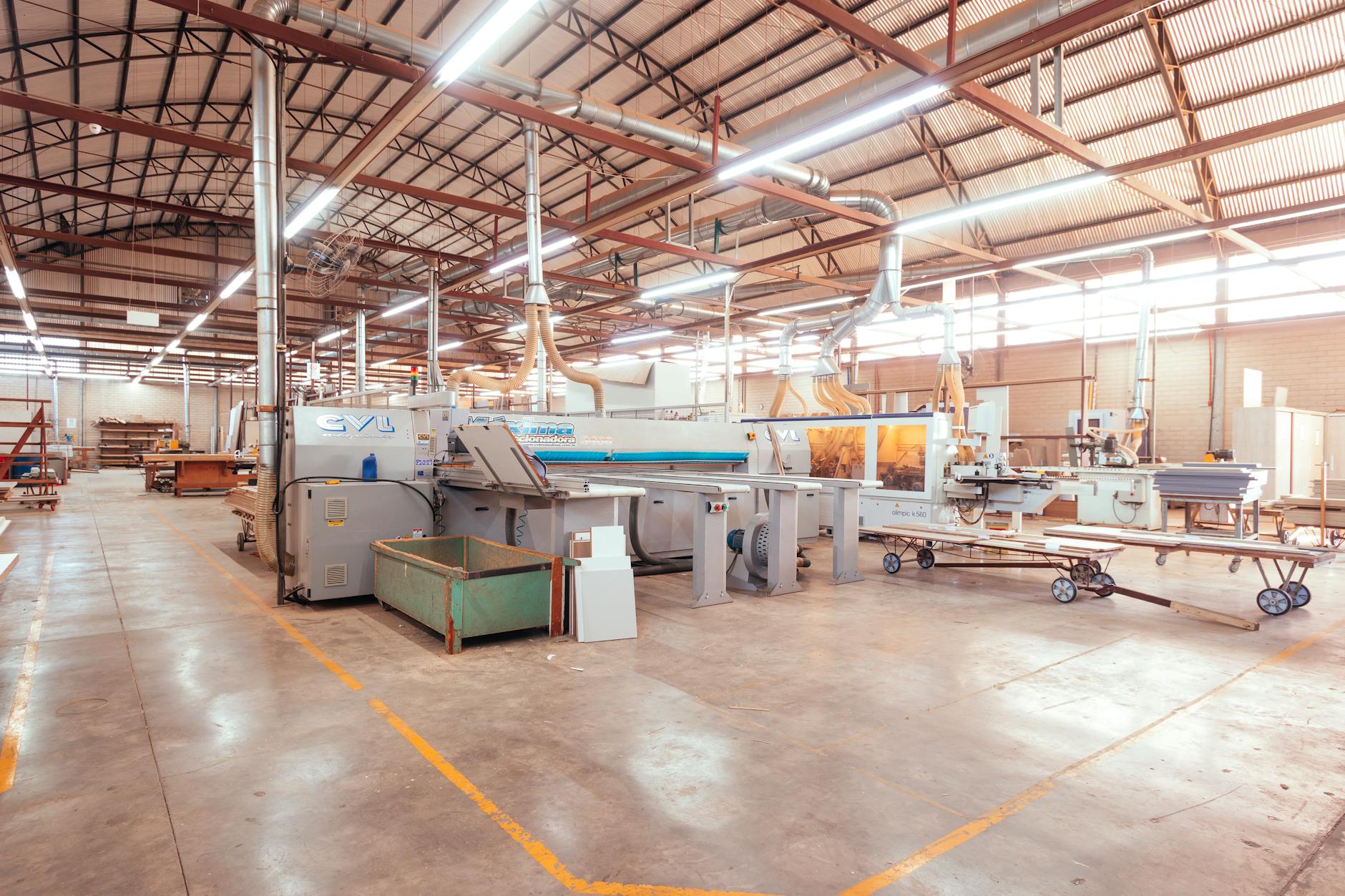
Perovskite cells flip this model completely. They can be manufactured using solution-based processes similar to printing newspapers. Liquid precursor materials are deposited onto flexible substrates using inkjet printers, slot-die coaters, or simple spin-coating equipment. The entire process happens at room temperature in normal atmospheric conditions.
This printing approach enables roll-to-roll manufacturing, where solar cells are produced continuously on flexible materials like plastic or metal foils. Companies like Saule Technologies are already operating pilot lines that can produce perovskite cells faster than traditional electronics manufacturing, with equipment costs orders of magnitude lower than silicon facilities.
The material costs also favor perovskites dramatically. While silicon requires ultra-pure raw materials and energy-intensive refinement, perovskite precursors use common elements like lead, iodine, and organic compounds that can be synthesized through standard chemical processes. Some newer formulations replace toxic lead with tin or other safer alternatives without sacrificing performance.
Early production estimates suggest perovskite panels could reach cost parity with fossil fuels in regions where silicon still struggles economically. Lab-grown silicon crystals could cut semiconductor manufacturing costs in half, but perovskite manufacturing promises even steeper cost reductions through fundamentally different production methods.
Real-World Deployment Accelerates
While efficiency and cost advantages look impressive on paper, the solar industry has seen promising technologies fail during real-world deployment. Perovskite cells are proving their commercial viability through successful pilot installations and expanding manufacturing capacity.
Oxford PV has signed partnerships with major panel manufacturers to integrate perovskite-silicon tandems into existing production lines. Their approach adds perovskite layers to standard silicon cells, allowing manufacturers to upgrade incrementally without rebuilding entire factories. Commercial panels using this hybrid approach are expected to reach market within two years.

Swift Solar focuses on lightweight, flexible perovskite cells targeting applications where traditional panels fail. Their cells can bend around curved surfaces, weigh fraction of silicon alternatives, and maintain efficiency in partial shade conditions that cripple conventional installations. Early deployments include vehicle integration, portable electronics, and building-integrated photovoltaics where aesthetic considerations matter.
Stability concerns that plagued early perovskite research are being addressed through encapsulation techniques and material improvements. Modern perovskite cells show degradation rates comparable to silicon panels over projected 25-year lifespans, meeting industry standards for residential and commercial installations.
The flexibility advantage opens entirely new markets beyond traditional rooftop installations. Automotive manufacturers are testing perovskite integration for electric vehicle range extension, while aerospace companies explore lightweight solar arrays for satellites and aircraft. These specialized applications often justify premium pricing during early commercial phases.
The Tipping Point Approaches
Multiple industry factors are converging to accelerate perovskite adoption beyond early pilot programs. Government incentives increasingly favor higher-efficiency solar technologies, while climate commitments drive demand for faster renewable deployment. The combination of superior performance and lower manufacturing costs positions perovskites to capture significant market share within the current decade.
Manufacturing scale-up typically determines which technologies survive the transition from laboratory to global adoption. Perovskite cells benefit from simpler production requirements that enable faster capacity expansion compared to silicon’s capital-intensive approach. As production volumes increase, cost advantages should compound through standard manufacturing learning curves.
The solar industry stands at a similar inflection point to the smartphone transition that displaced traditional phones through superior capabilities and falling costs. Perovskite cells offer the performance leap and manufacturing advantages needed to accelerate renewable adoption beyond current projections, potentially reshaping energy markets faster than most forecasts anticipate.
Frequently Asked Questions
How efficient are perovskite solar cells compared to silicon?
Perovskite cells achieve over 25% efficiency in commercial applications, surpassing silicon’s practical limit of 26% through tandem designs.
Why are perovskite solar cells cheaper to manufacture than silicon?
They can be produced at room temperature using printing processes, unlike silicon which requires high-temperature processing and expensive cleanroom facilities.