



Gaming laptops gather dust on shelves while tiny handheld devices that play decades-old games fly off store shelves at triple the pace. The Anbernic RG35XX, Miyoo Mini Plus, and Steam Deck have created a market phenomenon that’s caught the gaming industry off guard, with retro handhelds outselling modern gaming laptops by margins that would have seemed impossible just three years ago.
The numbers tell a striking story. While gaming laptop sales declined 15% in 2023 according to market research firm IDC, handheld gaming device sales surged 87% in the same period. Retailers report that budget retro handhelds priced between $50-150 move faster than gaming laptops costing ten times more. Best Buy’s gaming section now dedicates entire displays to devices that can fit in your pocket and run games from the 1980s and 1990s.
The Price Revolution That Changed Everything
The cost barrier tells the whole story. A decent gaming laptop capable of running modern titles starts at $1,200 and quickly climbs to $2,500 for premium models. Meanwhile, the Miyoo Mini Plus delivers thousands of classic games for $65, while Anbernic’s popular models range from $80-200. Even Valve’s Steam Deck, the premium option in this space, costs $400-650 depending on storage capacity.
This price gap creates entirely different buying behaviors. Gaming laptops require research, budget planning, and significant financial commitment. Retro handhelds become impulse purchases, gifts, or experimental buys that don’t strain household budgets. The psychological barrier between “I’ll think about it” and “I’ll grab one” makes all the difference in retail velocity.
The performance expectations also differ dramatically. Gaming laptop buyers expect cutting-edge graphics, high frame rates, and the ability to run the latest AAA titles. Retro handheld buyers want reliable emulation of classic games, decent build quality, and long battery life. Meeting the second set of expectations costs a fraction of the first.
Nostalgia Meets Modern Convenience
The retro gaming renaissance extends far beyond simple nostalgia. These devices tap into gaming’s golden age while solving modern lifestyle problems. Commuters play Super Mario World on subway rides. Parents enjoy Tetris during soccer practice waiting periods. Travelers pack entire game libraries in devices smaller than paperback books.
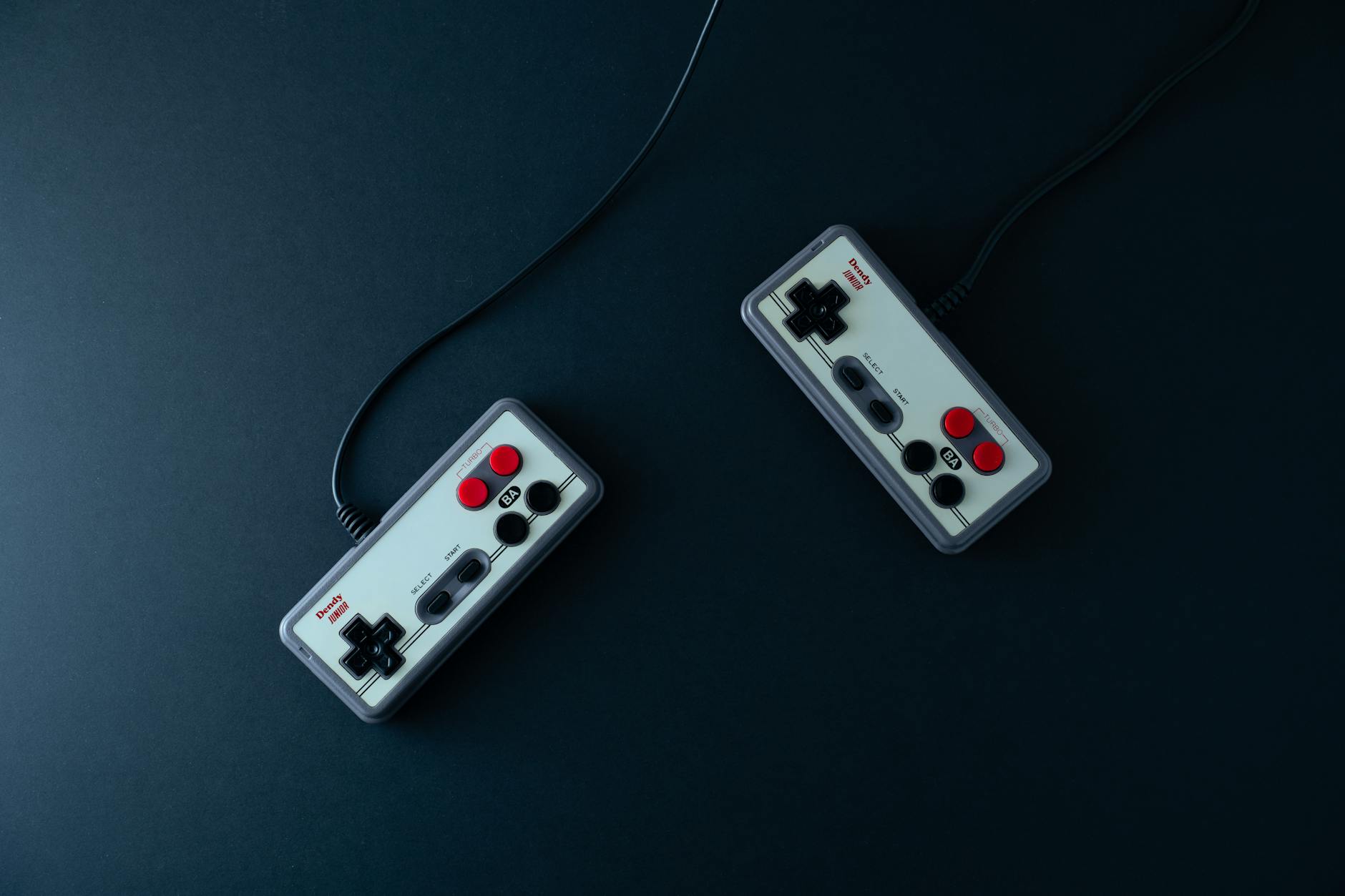
The game libraries available on these devices span multiple decades and platforms. A single device might emulate Nintendo Entertainment System, Super Nintendo, Game Boy, Sega Genesis, PlayStation 1, and arcade systems. This gives buyers access to thousands of titles that shaped gaming culture, from Pac-Man to Final Fantasy VII, all in one portable package.
Modern gaming laptops, despite their power, often feel anchored to desks or specific gaming setups. Their weight, bulk, and need for power outlets limit mobility. Battery life rarely exceeds four hours during active gaming. Retro handhelds routinely deliver 6-8 hours of gameplay while weighing less than most smartphones.
The social element also plays a crucial role. Retro handhelds become conversation starters, sharing devices, and group gaming experiences in ways that personal gaming laptops cannot. Pulling out a device playing Street Fighter II at a coffee shop creates connections that a gaming laptop setup simply cannot replicate.
Technology Convergence and Market Timing
Several technological advances converged to make this market explosion possible. Affordable system-on-chip processors now handle multi-system emulation with ease. High-resolution LCD screens cost a fraction of previous generations. Lithium battery technology provides all-day gaming sessions. Open-source emulation software eliminates expensive licensing deals.
The rise of professional esports and competitive gaming actually supports the retro handheld trend rather than competing with it. Many esports professionals and content creators showcase retro gaming as palate cleansers between intense training sessions. This visibility introduces younger audiences to classic games they never experienced.
Manufacturing efficiency from Chinese electronics companies also transformed the landscape. Companies like Anbernic, Powkiddy, and Miyoo iterate rapidly, releasing new models every few months with incremental improvements. This creates constant market excitement and gives consumers multiple options across different price points and feature sets.
The COVID-19 pandemic accelerated interest in portable, personal entertainment devices. While gaming laptop sales initially surged during lockdowns, the post-pandemic world favored ultra-portable gaming that fit changing work and lifestyle patterns.
Market Disruption Beyond Gaming
This trend signals broader shifts in consumer electronics preferences. Buyers increasingly choose specialized, affordable devices over expensive, multi-purpose machines. The smartphone revolution taught consumers that powerful technology could be small, portable, and relatively inexpensive.
Gaming laptops face additional challenges beyond retro handheld competition. Cloud gaming services like Xbox Game Pass Ultimate and NVIDIA GeForce Now reduce the need for local hardware power. Meanwhile, Nintendo’s backwards compatibility innovations keep players engaged with older titles alongside new releases.
The success of retro handhelds also demonstrates the power of community-driven development. Most devices run open-source firmware with active modification communities. Users share custom firmware, game collections, and hardware modifications. This creates ecosystem value that traditional gaming laptops, locked into manufacturer ecosystems, struggle to match.
Major gaming companies are taking notice. Sony’s PlayStation Portal, while technically a streaming device, clearly responds to handheld gaming demand. Microsoft experiments with Xbox handheld concepts. Even traditional laptop manufacturers explore gaming-focused portable devices that bridge the gap between full laptops and handheld systems.
The retro handheld phenomenon represents more than a temporary market quirk. It demonstrates that gaming hardware success depends on accessibility, portability, and clear value propositions rather than simply raw performance. As manufacturing costs continue declining and emulation technology advances, this segment will likely maintain its momentum while pushing traditional gaming hardware manufacturers to reconsider their approaches to portable gaming solutions.
Frequently Asked Questions
Why are retro handhelds more popular than gaming laptops?
They cost 90% less, offer better portability, and provide nostalgic gaming experiences without requiring major financial investment.
What games can retro handhelds play?
Most can emulate classic systems like NES, SNES, Game Boy, Sega Genesis, and PlayStation 1, offering thousands of retro titles.