



Your smartphone now processes your voice commands, recognizes faces in photos, and generates text responses without sending data to distant servers. This shift from cloud-based AI to on-device processing represents one of the biggest changes in mobile computing since touchscreens replaced physical keyboards.
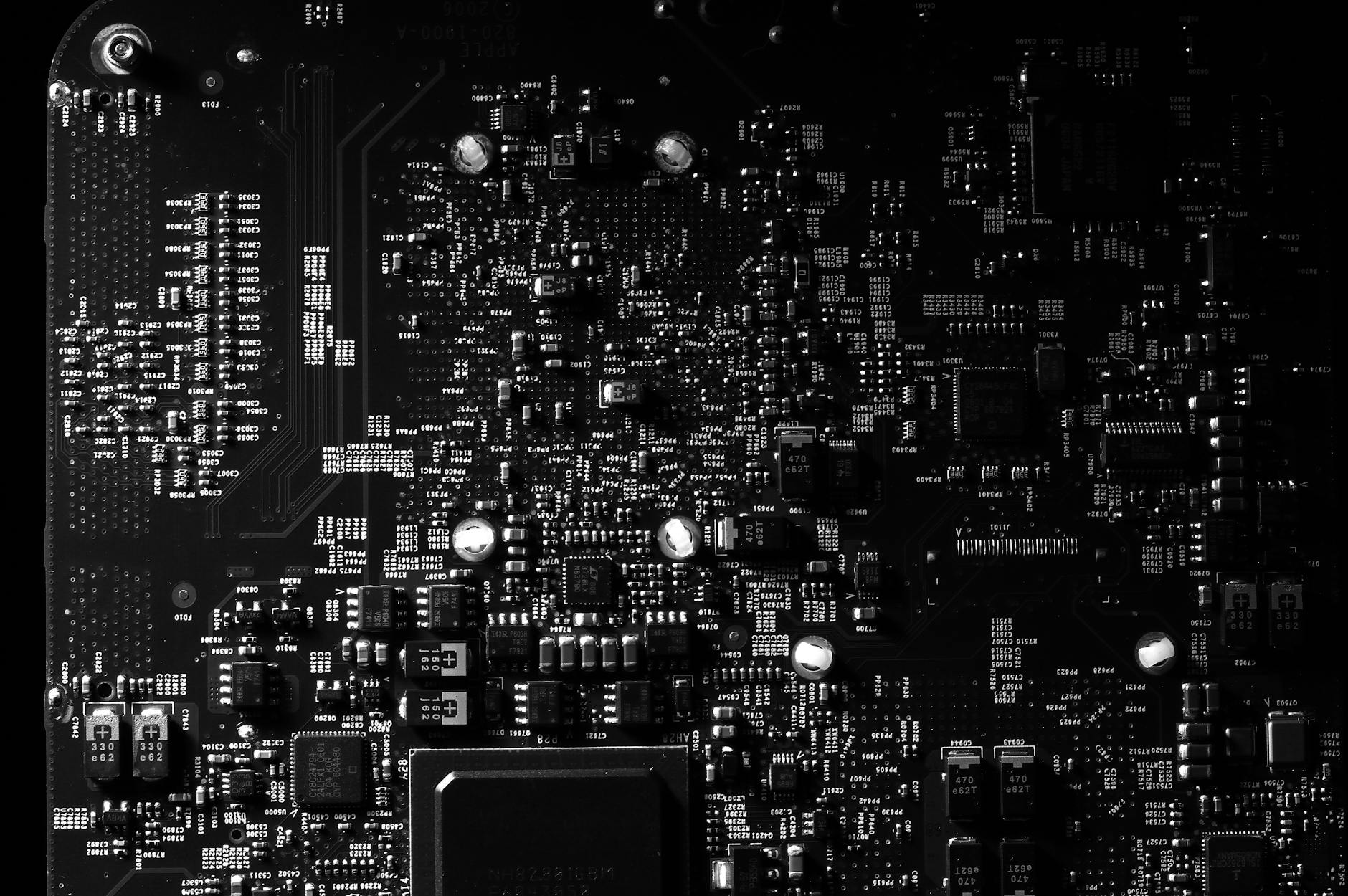
Major smartphone manufacturers are embedding dedicated AI processing chips, called Neural Processing Units (NPUs), directly into their flagship devices. Apple, Qualcomm, Google, MediaTek, and Samsung have all introduced specialized silicon designed to handle artificial intelligence workloads locally on your phone. This isn’t just a performance upgrade – it’s reshaping how we interact with mobile technology.

The Privacy and Speed Advantage
Cloud-based AI processing requires your data to travel from your device to remote servers, get processed, then return with results. This round trip creates noticeable delays and raises privacy concerns. When you ask Siri a question or use Google Assistant, your voice recording typically gets uploaded to company servers for processing.
Dedicated AI chips eliminate this data transfer. Voice recognition, language translation, photo enhancement, and predictive text all happen locally on your device. Apple’s A17 Pro chip processes Siri requests without internet connectivity for many common tasks. Google’s Tensor G3 chip handles real-time language translation during phone calls without sending audio data to external servers.
The speed improvements are dramatic. Face unlocking that once took two seconds now happens instantaneously. Camera apps apply complex computational photography effects in real-time as you compose shots. Keyboard apps predict your next word with zero latency.
Battery life improves too. Local AI processing consumes less power than maintaining constant cloud connections and data transfers. Your phone’s NPU is optimized for these specific workloads, making calculations more efficiently than general-purpose processors.
Enhanced Camera Capabilities
Smartphone cameras have become AI-powered image processing systems. Every photo you take now involves multiple AI algorithms working in milliseconds to enhance the final result.
Dedicated NPUs enable features like real-time background blur during video calls, automatic object removal from photos, and instant HDR processing. Samsung’s Galaxy S24 series uses AI to identify different subjects in group photos and optimize exposure for each person’s face simultaneously.
Night mode photography relies heavily on AI processing. The camera takes multiple exposures and uses machine learning algorithms to combine them into a single bright, clear image. This computational photography happens entirely on-device thanks to specialized AI hardware.
Portrait mode effects have evolved beyond simple background blur. Modern smartphones can now separate hair strands from backgrounds, maintain proper lighting on faces while darkening backgrounds, and even simulate professional lighting setups. These complex calculations require dedicated AI processing power to work in real-time.
The latest iPhone and Pixel devices can identify and track moving subjects across the frame, keeping them in focus while applying artistic effects to everything else. This level of real-time processing was impossible without specialized neural processing hardware.
Expanding Beyond Traditional AI Tasks
NPUs aren’t limited to obvious AI features like voice assistants and photo enhancement. They’re enabling entirely new categories of smartphone functionality that seemed like science fiction just a few years ago.
Real-time language translation during video calls now happens locally on many flagship phones. You can have a conversation with someone speaking a different language, with translations appearing as subtitles or through audio, all processed on your device without internet connectivity.
Health monitoring represents another growing application. While smartphone manufacturers are adding temperature sensors for health tracking, AI chips process this biometric data to identify patterns and provide insights about sleep quality, stress levels, and activity patterns.
Gaming experiences are transforming through on-device AI. Modern smartphones can generate realistic lighting effects, predict player movements to reduce input lag, and even create procedural game content in real-time. These features require constant AI processing that would drain batteries quickly without dedicated neural hardware.
Augmented reality applications benefit enormously from local AI processing. Your phone can now identify objects in real-time through the camera, overlay information about landmarks, or provide instant text translation of signs and menus you point at. This contextual awareness requires continuous AI processing that specialized chips handle efficiently.
The Competitive Hardware Race
Every major smartphone chipmaker now includes NPUs in their flagship processors. Qualcomm’s Snapdragon 8 Gen 3 includes a dedicated AI engine capable of running large language models locally. Apple’s A17 Pro features a 16-core Neural Engine processing over 35 trillion operations per second.
Google designed its entire Tensor chip architecture around AI workloads. Rather than licensing standard processors, Google created custom silicon optimized for machine learning tasks. This allows Pixel phones to offer unique features like Call Screen, which uses AI to answer calls and screen for spam automatically.
MediaTek and Samsung have responded with their own AI-focused processors. MediaTek’s Dimensity 9300 includes an advanced AI processing unit, while Samsung’s Exynos chips feature dedicated neural processing cores. Even mid-range phones now include basic AI acceleration hardware.
The arms race extends beyond raw processing power. Manufacturers are optimizing AI chips for specific tasks. Some excel at image processing, others at language models, and some focus on power efficiency. This specialization means different phones excel at different AI features.
Looking Forward
The integration of dedicated AI processing represents just the beginning of mobile computing’s transformation. As these chips become more powerful and energy-efficient, smartphones will handle increasingly sophisticated AI tasks that currently require powerful desktop computers or cloud servers.
Future developments will likely include more advanced health monitoring, real-time video editing with AI effects, and personalized learning assistants that adapt to individual users. The combination of AI processing power with other emerging smartphone technologies, including satellite emergency SOS features expanding beyond Apple and iPhone, points toward devices that are increasingly intelligent and capable.
Within the next few years, your smartphone will likely handle tasks that seem impossible today – generating custom music, creating personalized workout routines based on your biometric data, or providing real-time expert advice on complex topics, all while keeping your personal information completely private through local processing.
The shift to on-device AI processing isn’t just changing what smartphones can do – it’s redefining what a computer can be when it fits in your pocket.
Frequently Asked Questions
What are NPUs in smartphones?
Neural Processing Units (NPUs) are dedicated AI chips that handle machine learning tasks locally on your device without requiring cloud processing.
Why do phones need dedicated AI chips?
Dedicated AI chips provide faster processing, better privacy, and improved battery life compared to cloud-based AI processing.