



The Comeback No One Predicted
Sega’s Crazy Taxi remake has been quietly building a head of steam since its announcement, and the gaming conversation around it keeps drifting in one particular direction: players are abandoning Burnout Paradise Remastered to scratch the same itch. Both games occupy a specific niche – chaotic, physics-forward driving with zero interest in simulation realism – but Crazy Taxi’s return is pulling attention toward a style of arcade racing that Burnout Paradise, despite its 2018 remaster, never fully recaptured on its own.
The original Crazy Taxi launched in arcades in 1999 and hit Dreamcast in 2000, becoming a defining title for an entire generation of players who still associate the Offspring’s “All I Want” with the squeal of cab tires. Sega confirmed the remake as part of its “Super Game” initiative, repositioning classic IP for modern hardware with multiplayer hooks and expanded content. The result is something that doesn’t just evoke nostalgia – it directly competes with the open-world arcade racers that filled the gap after Crazy Taxi went quiet.
Why Burnout Paradise Keeps Losing Ground
Burnout Paradise Remastered had every structural advantage. It launched on PS4, Xbox One, and PC in 2018, landed on Switch, included all DLC, and maintained solid performance on modern hardware. EA even offered it for free through various subscription tiers. On paper, it should have cemented a permanent player base. Instead, it exists in a strange limbo – praised whenever someone boots it up, rarely the game anyone is actively booting up.
The core issue is that Burnout Paradise is fundamentally a game about exploration and discovery in a way that requires sustained investment. Paradise City is enormous, its challenges scattered, its map full of dead ends that reward patient players. That design logic made sense in 2008. In the current gaming environment, where session lengths are shorter and players expect immediate feedback loops, the sprawl works against it. Crazy Taxi, by contrast, is structured entirely around urgency – every second on the clock drives action forward, and there’s no map to learn, no secrets to find, just fares to complete before time runs out.
There’s also the question of what players actually want from an arcade racer. Burnout Paradise’s crash physics and takedown system were spectacular for their era, but the remake didn’t update the underlying feel – it polished what was already there. Crazy Taxi’s remake is being built from the ground up, with Sega reportedly expanding the city scale, adding co-op mechanics, and designing content around live-service sustainability. Whether that approach lands or backfires is a separate debate, but the intent is clearly to deliver something that feels new rather than preserved.
The timing matters too. EA has shown no serious interest in reviving the Burnout franchise proper. Criterion, the studio behind the original games, has been absorbed into EA’s need for Need for Speed support and Battlefield assistance. A new Burnout isn’t coming, which means Burnout Paradise Remastered sits as a monument without a sequel – and monuments don’t generate sustained community energy the way active development does. Sega’s marketing cycle for Crazy Taxi gives players something to anticipate, and anticipation drives engagement with related content, including revisiting the original.
The Arcade Racing Vacuum
Arcade racing as a genre has been quietly hollowed out over the past decade. Gran Turismo and Forza Motorsport anchored one end of the spectrum with simulation depth. Forza Horizon and The Crew anchored the open-world casual end. But the fast, disposable, score-chasing style that defined games like Crazy Taxi, Burnout 3: Takedown, and the original Ridge Racer series lost its commercial footing. Mobile games absorbed some of that impulse, but never the tactile satisfaction of a controller in hand and traffic to weave through at absurd speed.
Crazy Taxi’s remake slots directly into that gap. It doesn’t need to compete with Gran Turismo on realism or with Forza Horizon on open-world scale. It needs to be loud, fast, and immediately legible – which is exactly what the original was. The fact that players are organically drawing comparisons to Burnout Paradise rather than to simulation racers says something about where Crazy Taxi is positioning itself in players’ mental maps of the genre.
What the Remake Is Actually Promising
Details on the remake are still arriving in pieces, but what Sega has confirmed points toward a meaningfully expanded experience rather than a straight port. The city is larger, the roster of drivers is broader, and multiplayer – both co-op and competitive – is being built in from the start rather than added as an afterthought. Sega has also signaled that the remake is part of a longer-term strategy, suggesting ongoing content updates rather than a single launch window release.
That live-service framing is where opinion splits most visibly. Players who want a clean, finite arcade experience – pick up and play, no battle pass, no seasonal obligations – are watching the development announcements with some skepticism. The original Crazy Taxi had no metagame, no unlockables gated behind weekly challenges. Its purity was part of the appeal. Adding live-service architecture to that formula risks burying the pick-up-and-play simplicity under layers of progression systems that slow down the very thing that made the game work.
Sega has navigated this tension before, with varying results. Sonic Frontiers tried to layer modern open-world conventions onto a character defined by linear momentum, and reactions were genuinely divided. The Crazy Taxi remake faces a similar structural question: how much contemporary design can you add before the thing you’re remaking stops being itself? The answer will determine whether it holds the audience it’s currently pulling from Burnout Paradise or whether those players drift back to the remaster – or somewhere else entirely.
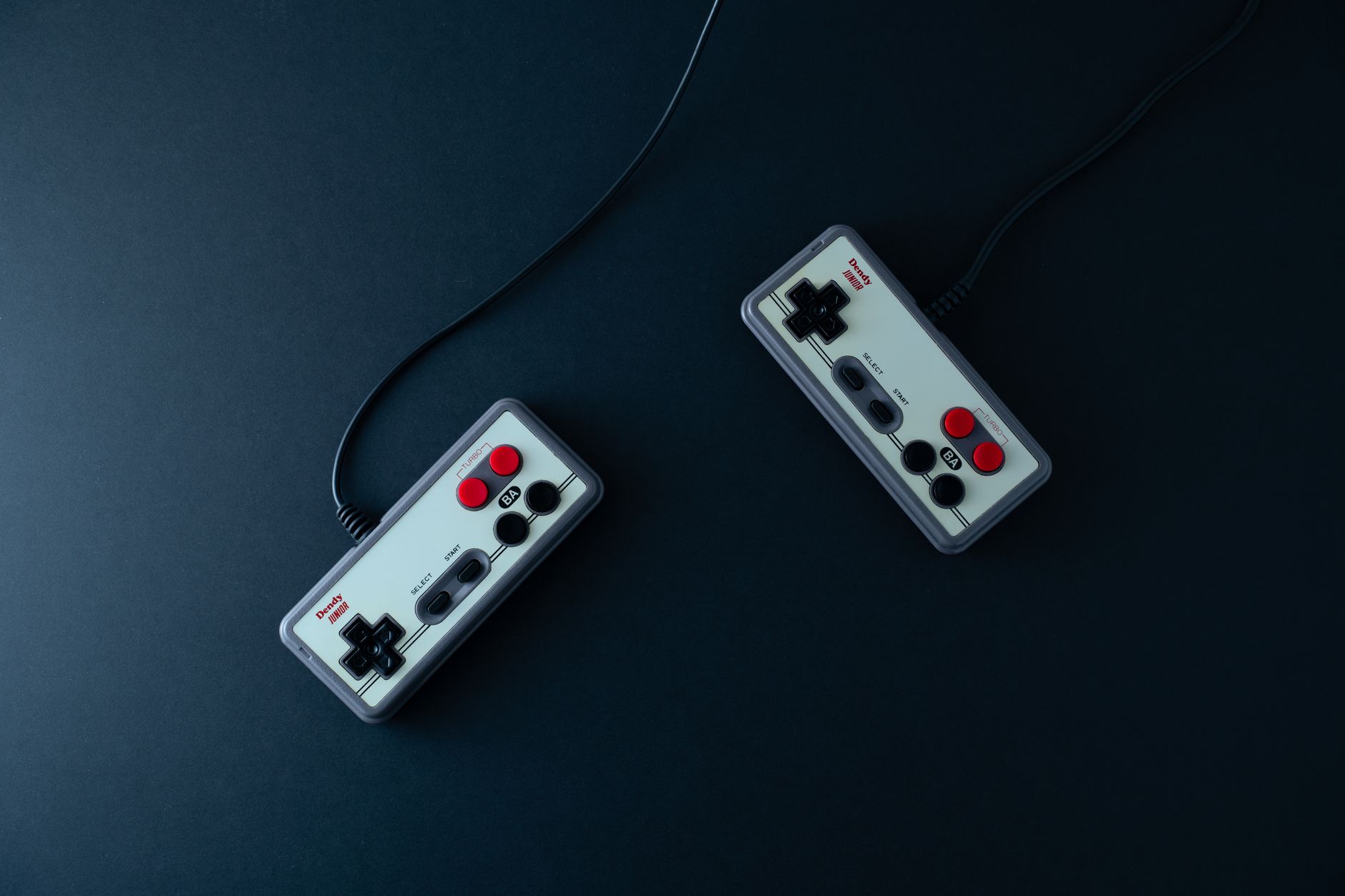
For now, the competition is real and the momentum belongs to Sega. Burnout Paradise Remastered isn’t going anywhere, but it also isn’t growing. Crazy Taxi’s remake has development updates, community speculation, and genuine platform-level support behind it. Whether the final product justifies the excitement is the only question left – and that answer is still months away.
Frequently Asked Questions
Is Sega’s Crazy Taxi remake a full remake or a remaster?
Sega has confirmed it is a full remake built from the ground up, with an expanded city, new multiplayer modes, and live-service content planned.
Why are players comparing Crazy Taxi to Burnout Paradise?
Both games occupy the same arcade-driving niche – chaotic, physics-forward, and focused on momentum over simulation – making them natural points of comparison for fans of the genre.