



When a major franchise goes quiet, its fanbase rarely sits still. Activision has said almost nothing about a new Tony Hawk’s Pro Skater title for years now, and that silence is pushing skate game fans back to one of the most beloved entries in the series – Tony Hawk’s Underground 2.

The Waiting Room Effect
Tony Hawk’s Pro Skater 1 + 2 launched in 2020 to genuine enthusiasm. Vicarious Visions rebuilt the games with modern visuals, tighter controls, and remastered soundtracks that held up surprisingly well. It sold well enough that a follow-up remake seemed like a straightforward business decision. Then Activision quietly absorbed Vicarious Visions into Blizzard Entertainment, and the roadmap for the Pro Skater series went completely dark.
That kind of silence does something specific to a fanbase. It doesn’t make people forget the franchise – it makes them go deeper into its history. With no new release to anticipate, fans have nowhere to direct their energy except backward. Tony Hawk’s Underground 2, released in 2004, is the natural destination. It sits just outside the games covered by the 2020 remake, which means it still feels unfinished business for a lot of players.
The pattern here is not unique to this franchise. Nintendo’s silence around Hollow Knight: Silksong has been pushing players back to older platformers in a nearly identical way – the absence of new content redirecting attention rather than killing it. Franchises that go quiet don’t lose their audiences immediately. They send them digging through the catalog.
Underground 2 specifically benefits from this moment because it occupies a strange cultural position. It was never the cleanest or most mechanically polished game in the series, but it was arguably the most personality-driven. The story mode featured real skaters playing exaggerated versions of themselves, an open-world format that felt loose and chaotic, and a tone that was deliberately absurdist. It aged into something that feels more like a time capsule than a relic.
Why Underground 2 Specifically
The conversation around which Tony Hawk games deserve modern treatment has been ongoing in skate communities for years, and Underground 2 keeps rising to the top for reasons that go beyond nostalgia. The game’s structure is genuinely different from the original Pro Skater titles. Where those games were built around tight two-minute runs and score targets, Underground 2 handed players open levels and asked them to cause chaos, collect goals, and participate in a storyline that treated the whole thing as a road trip gone completely off the rails.
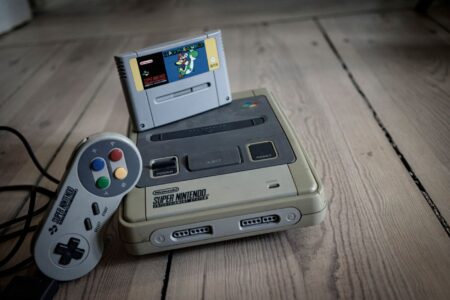
That structure holds up better in 2025 than many players expected. Open-world design principles have become more refined since 2004, but the core appeal of Underground 2 – freedom, discovery, and emergent silliness – reads as ahead of its time when revisited now. Players returning to it on original hardware or through emulation frequently report that the skating itself still feels good, which is a harder achievement than it sounds given how much control schemes have evolved.
The soundtrack is also doing a lot of work. Underground 2 featured a mix of punk, hip-hop, and alternative tracks that hit a very specific early-2000s register without feeling as dated as some of its contemporaries. Tracks from that era that have had recent cultural moments are sending younger players back to the game to check the source, which is one of the more unusual pipelines driving its current attention.
There is also a growing conversation about which parts of the game have not aged well, and that conversation is itself a form of engagement. The humor in Underground 2 was built for a 2004 audience and parts of it land awkwardly now. But rather than shutting down discussion, that friction is generating it. Players are debating what a modern remake would keep, cut, or update – and doing so in detail, which requires actually playing the game first.
The technical side of revisiting it has gotten easier too. Emulation support for sixth-generation consoles has improved significantly, and a growing number of players are running Underground 2 at resolutions and frame rates the original hardware was never capable of. That removes one of the biggest barriers to re-engagement: the frustration of playing an old game under conditions that make it feel worse than it actually is.
What Activision’s Silence Actually Costs
From a business perspective, Activision’s inaction on Pro Skater is an odd choice to watch play out. The 2020 remake proved the audience exists and will spend money. The lack of a follow-up announcement has stretched from months into years, and whatever internal reasons exist for the delay, the external effect is that a willing fanbase has been left to maintain the series’ relevance entirely on its own. They are doing it, but without any of the commercial energy that a new release would generate.
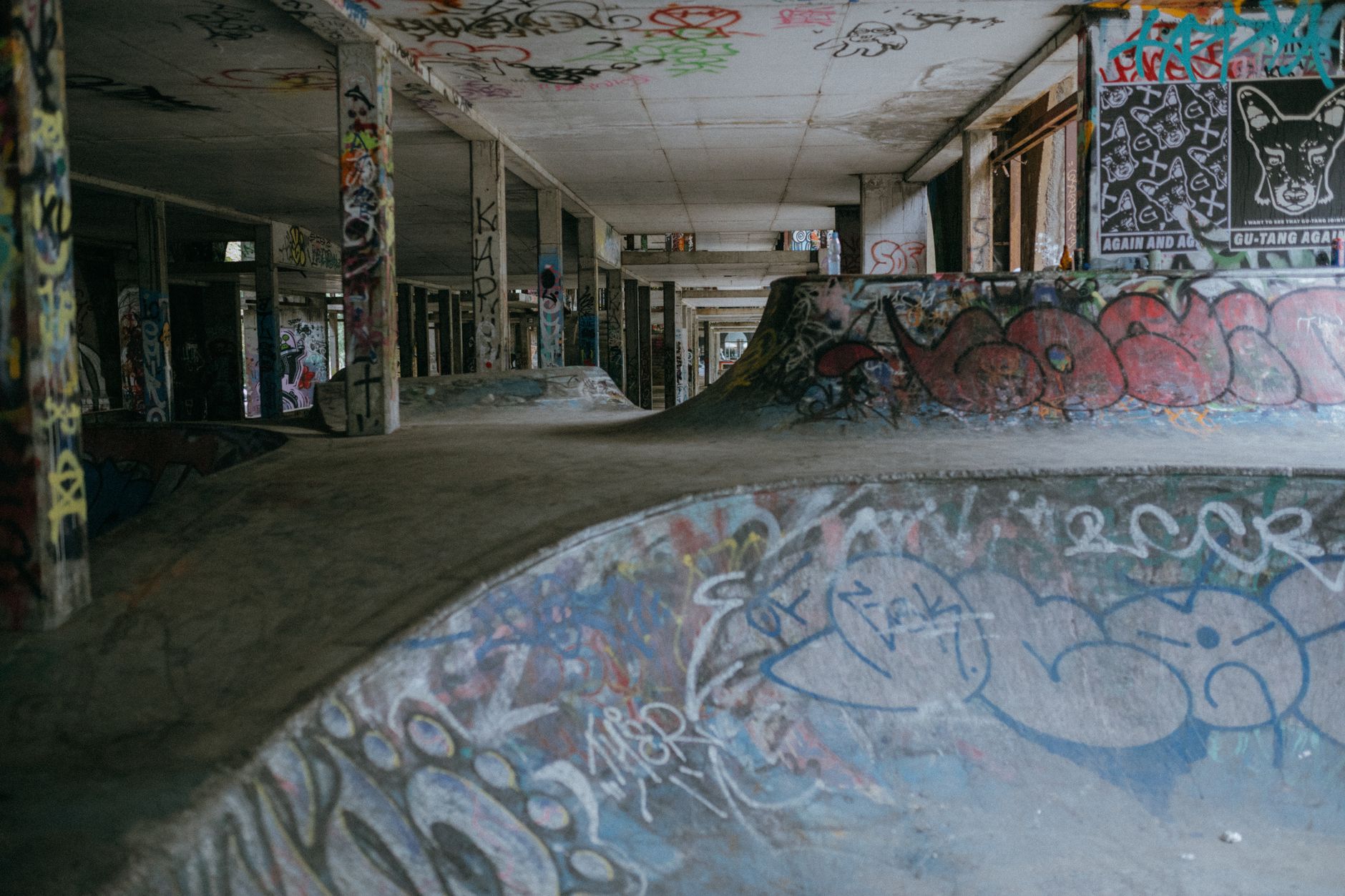
The underground revival of Underground 2 is not a crisis for Activision – the game already sold its copies two decades ago. But it does raise a real question about timing. Every month that passes without an announcement is another month where fan interest is being maintained organically around games that Activision cannot monetize. If and when a new entry or remake does arrive, it will benefit from all of this grassroots re-engagement, but the window for that benefit is not permanent. Nostalgia has a cycle, and Underground 2 is currently riding its peak.