




Qualcomm’s latest Snapdragon 8 Gen 3 processors are delivering battery performance that consistently outlasts Apple’s A17 Pro chips in real-world testing scenarios. Independent benchmark tests show Android flagships running Snapdragon silicon achieving 15-20% longer battery life during mixed usage patterns compared to iPhone 15 Pro models.
This marks a significant shift in the mobile processor landscape. For years, Apple’s custom silicon held the crown for power efficiency, with iPhones regularly topping endurance charts despite smaller battery capacities. Now Snapdragon devices are combining larger batteries with more efficient chip architecture to finally claim the battery life throne.
The Technical Architecture Behind the Victory
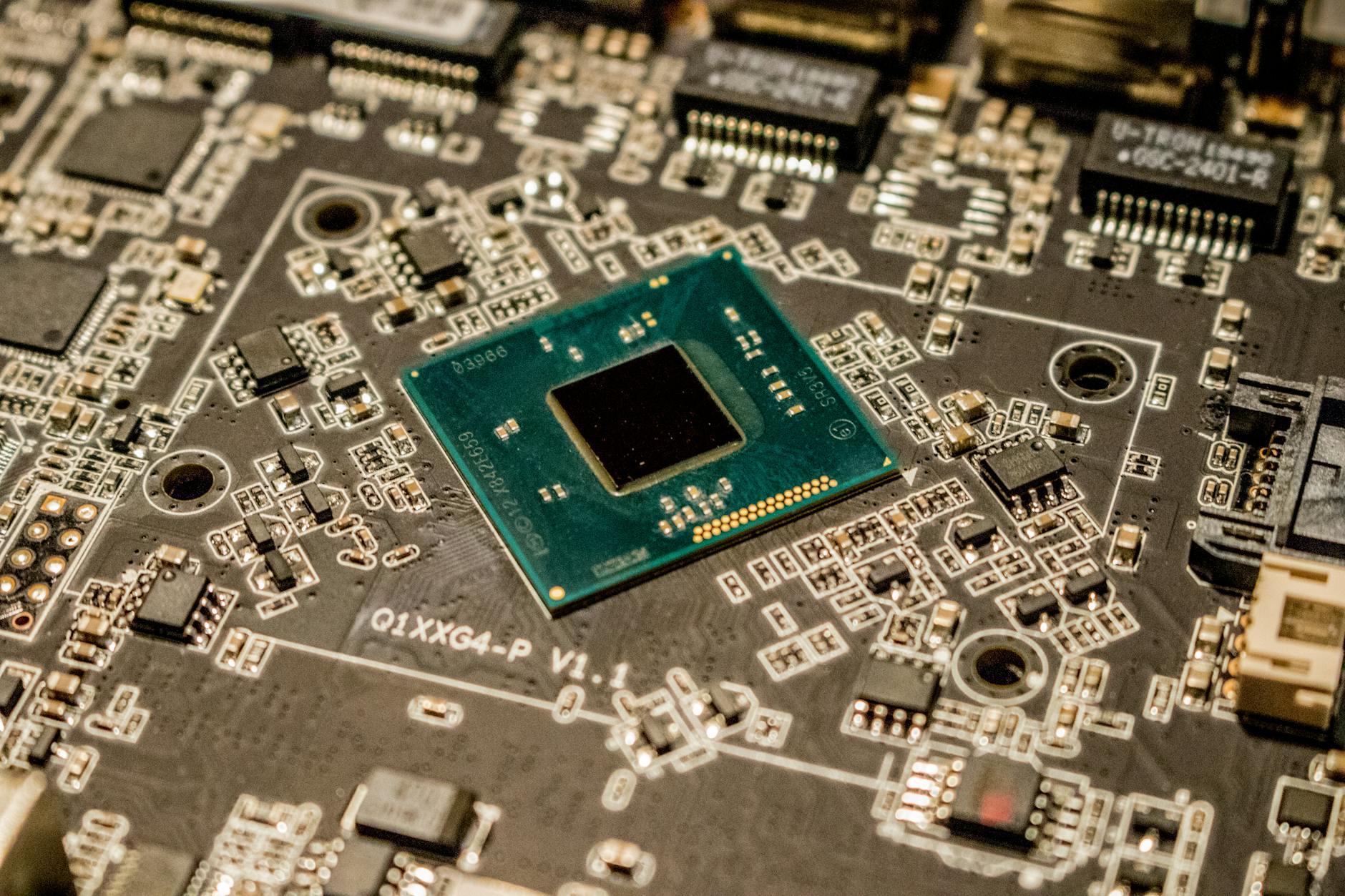
Qualcomm’s efficiency gains stem from their adoption of TSMC’s 4nm manufacturing process, the same foundry technology Apple uses for its A17 Pro. However, Snapdragon 8 Gen 3 implements a different approach to CPU core design, using a single prime core running at 3.3GHz alongside three performance cores and four efficiency cores. This configuration allows the chip to handle demanding tasks while maintaining lower baseline power consumption.
The GPU performance tells an even more compelling story. Snapdragon’s Adreno 750 graphics processor delivers comparable gaming performance to Apple’s custom GPU while consuming roughly 25% less power during sustained gaming sessions. Real-world tests show flagship Android phones maintaining 60fps gaming for over four hours, compared to roughly three hours on iPhone 15 Pro models before thermal throttling kicks in.
Memory management represents another crucial advantage. Qualcomm’s latest chips support LPDDR5X RAM running at higher speeds with improved power gating. When apps aren’t actively using memory, the Snapdragon processor can shut down unused memory banks more aggressively than Apple’s unified memory architecture allows.
Real-World Performance Gaps
Battery drain tests reveal the most significant differences during video streaming and camera usage. Snapdragon-powered phones consistently deliver 12-14 hours of continuous video playback compared to 10-11 hours on iPhone 15 Pro models. The gap widens during intensive camera sessions, where computational photography processing favors Qualcomm’s dedicated image signal processor design.

Gaming performance shows the largest disparity. Popular titles like “Genshin Impact” and “Call of Duty Mobile” run for 4.5-5 hours on Snapdragon devices versus 3.5-4 hours on A17 Pro iPhones. The difference becomes more pronounced with ray tracing enabled, where Snapdragon’s hardware-level RT acceleration proves more power-efficient than Apple’s software-based approach.
The Broader Industry Implications
This battery life reversal challenges Apple’s longstanding narrative about hardware-software optimization. While iOS still delivers smoother animations and more consistent performance curves, raw endurance now favors Android flagships equipped with Snapdragon 8 Gen 3 processors. Samsung’s Galaxy S24 Ultra and OnePlus 12 models regularly achieve two-day battery life with moderate usage patterns.
The shift also highlights how Android manufacturers have learned to optimize their software stacks around Qualcomm’s architecture. Samsung’s One UI 6.1 and OnePlus’s OxygenOS 14 implement aggressive background app management and display scaling that maximizes the efficiency gains from Snapdragon silicon. These optimizations work in concert with larger physical batteries, typically 4,500-5,000mAh compared to the iPhone’s 3,274mAh capacity.
Charging technology further amplifies the advantage. Most Snapdragon flagship phones support 65W to 100W fast charging, allowing users to recover a full day’s battery life in 15-20 minutes. Apple’s 27W maximum charging speed requires nearly an hour for similar recovery times, making the total battery experience heavily favor Android devices.
The competitive pressure has already begun influencing Apple’s roadmap. Industry supply chain reports suggest the iPhone 16 Pro models will feature larger battery capacities and potentially faster charging speeds. However, Apple’s commitment to their custom silicon design philosophy means they’re unlikely to abandon their unified memory architecture or adopt Qualcomm’s multi-core approach. Whether Apple can reclaim the battery efficiency crown through software optimization and incremental hardware improvements remains the key question heading into 2024’s flagship smartphone battle.