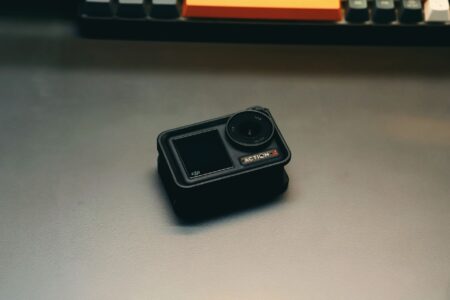





A box that plays thirty-year-old games has no business vanishing from a store page in minutes. Yet that is the pattern Analogue keeps setting, with each batch of its retro hardware drawing a crowd that treats a restock notice like a concert on-sale. Anyone who has tried to buy one at the listed price knows the routine: refresh, add to cart, watch the status flip to sold out.
The company has built a catalog of high-end recreations, including the Nt mini for the NES, the Super Nt for the SNES, the Mega Sg for the Genesis, the Pocket handheld, the Duo for PC Engine and TurboGrafx-16 fans, and the Analogue 3D for the Nintendo 64. None of them are cheap, and none are the only way to play those libraries. Cheaper options exist everywhere, from plug-and-play mini consoles to free emulators. So why does the demand keep outrunning the supply?
Why FPGA Matters More Than Nostalgia
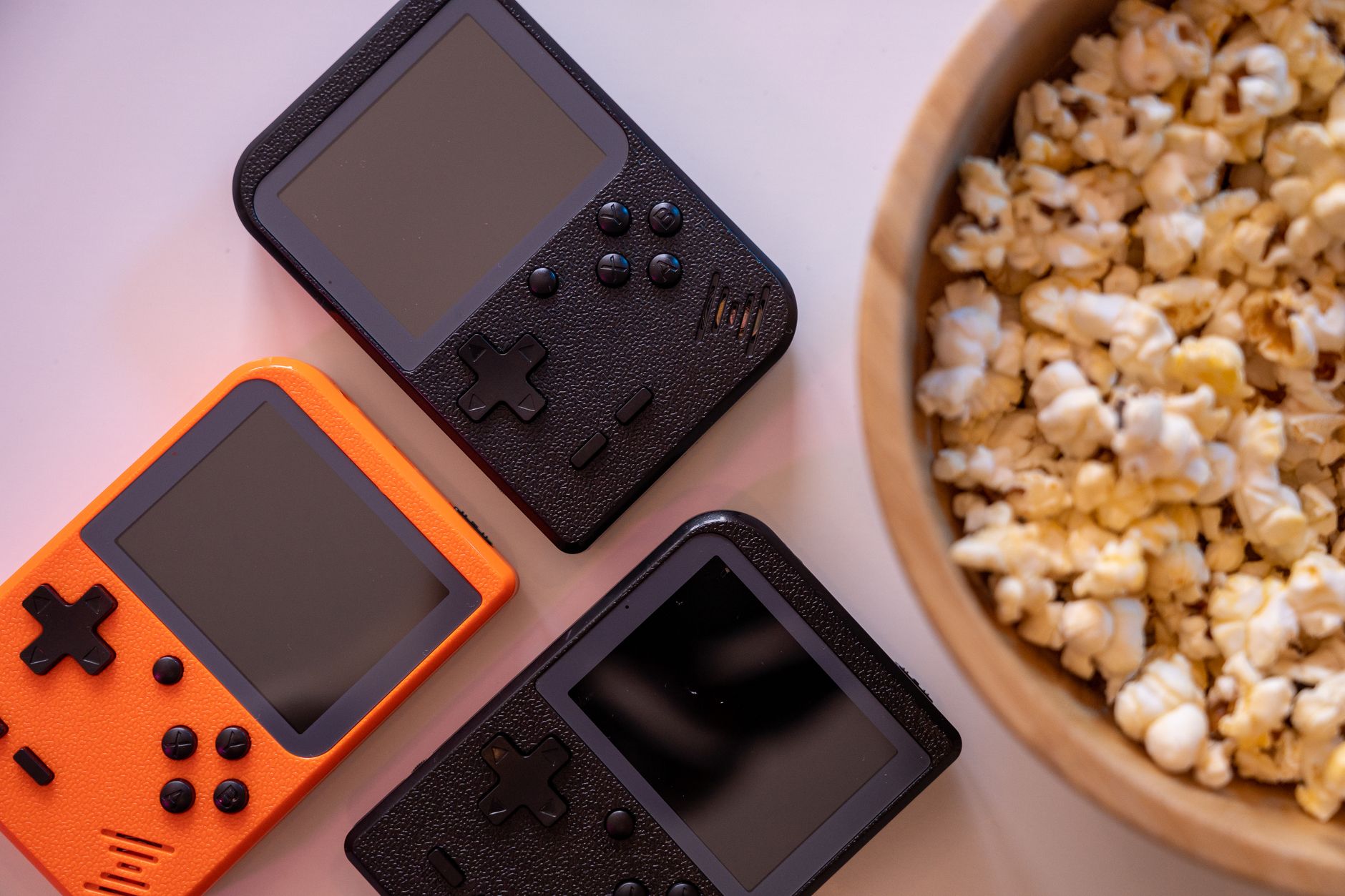
The answer starts with how these machines work. A typical emulator is software that imitates an old console’s behavior on a modern processor. Analogue instead uses FPGA chips, which are reconfigurable pieces of silicon that can be set up to mirror the logic of the original hardware. The result is closer to rebuilding the circuit than pretending to be it.
That distinction sounds academic until you play something timing-sensitive. Software emulation has to guess at quirks, and it can add input lag or stumble on games that exploit odd hardware behavior. An FPGA recreation can sidestep many of those problems because the timing is baked into the design. For people who grew up memorizing frame-perfect inputs, that is the difference between a convincing imitation and the real feel.
Small Batches and a Hungry Audience
Analogue’s products are built in limited runs, and the company has never pretended otherwise. FPGA chips, quality cases, and precision-machined parts cost real money, and the audience for a premium retro console is smaller than the audience for a mainstream gadget. Making a huge stockpile of a niche product is a gamble, so the batches stay modest.
Modest batches meet an audience that is unusually coordinated. Retro gaming communities share restock dates, track release news, and show up at the same moment. When a few thousand units meet a crowd that has been waiting for months, the stock disappears quickly, and it does not take a manufacturing miracle to explain why.
Early life has not always been smooth, either. The Pocket was delayed more than once before reaching buyers, and the wait itself built anticipation. A product that takes time to arrive and then sells out feels like an event, and people who missed the first window tend to be far more eager to grab the next one.
Then there is the resale market. When a console sells out at its list price, resellers list it for more, which tells every would-be buyer that waiting could cost them. That pressure pushes people to buy at the first opportunity, even if they were only mildly curious a week earlier. Scarcity feeds panic buying, and panic buying feeds scarcity.
Cartridges Are the Real Draw
Most Analogue machines are built around original media. The Pocket takes Game Boy, Game Boy Color, and Game Boy Advance cartridges, and adapters extend it to other handheld systems. The Duo handles original discs and cards for its platform. This matters because the people buying them are often collectors who already own shelves of old games and want a better way to play them.
For those owners, a machine like this turns a closet of cartridges from a museum into a working library. Plugging in a game you bought at age ten and seeing it on a modern display without a tangle of adapters is the whole pitch. It also explains why the hardware appeals beyond hardcore enthusiasts. A person with one beloved game in a drawer is a customer too.
The Nintendo Problem Nobody Can Solve
The Analogue 3D raised the stakes because the Nintendo 64 is a notoriously awkward system to preserve. Its games run on quirky hardware, many players remember it fondly, and playing original cartridges on a modern TV has long meant putting up with fuzzy video. Offering a clean, accurate way to run that library speaks to a real frustration, and it is easy to see why the announcement set off a rush for preorders.
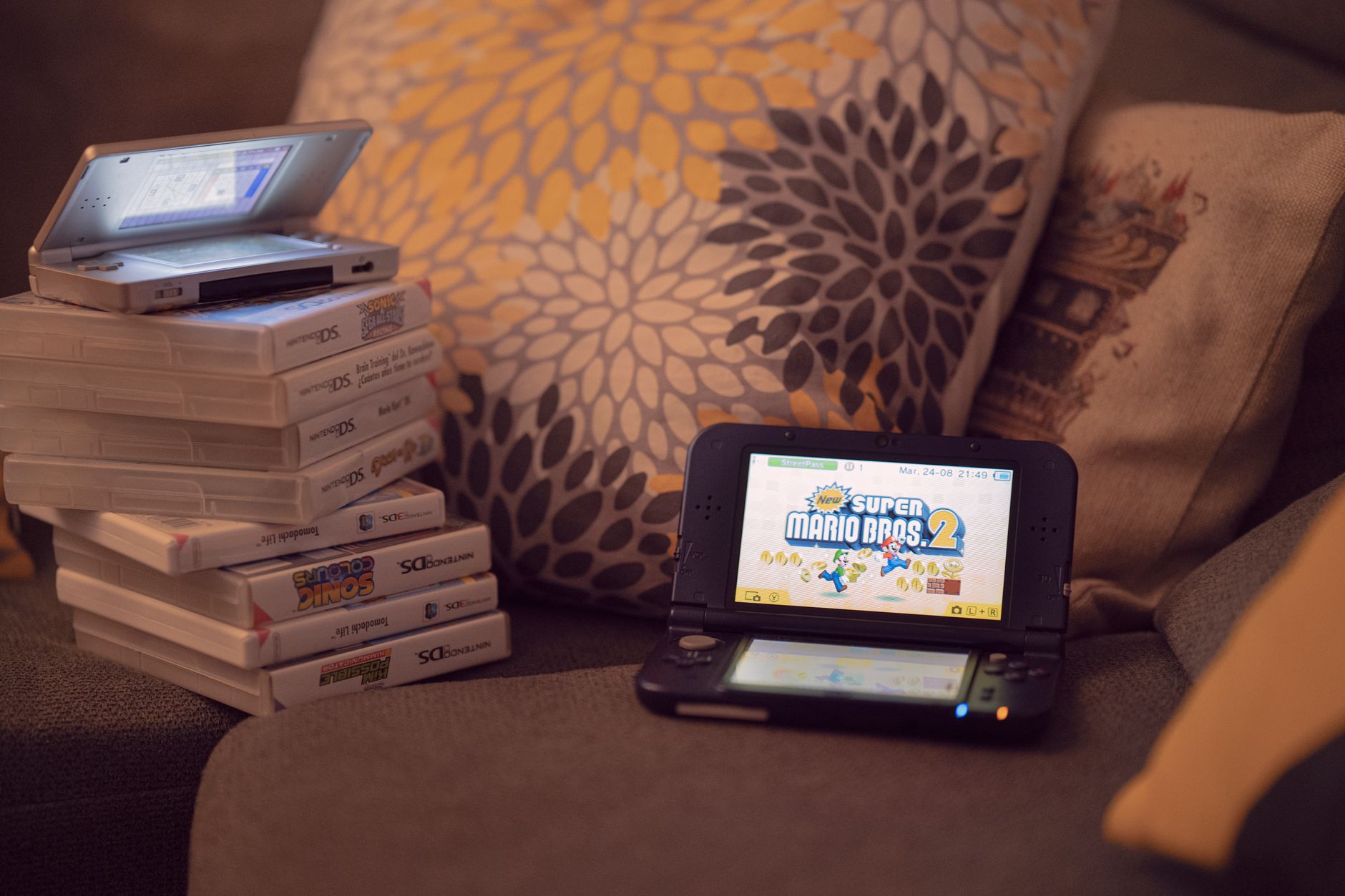
It also puts Analogue closer to a company that fiercely protects its history. Analogue’s hardware is designed to run cartridges you already own rather than ship with games, which is how it stays on the right side of the line that matters most. Nintendo, meanwhile, offers its own older titles through a subscription service, and that service is built on software rather than the kind of hardware recreation Analogue sells. The two approaches serve different people, but they compete for the same nostalgia dollar.
What happens when a console maker decides that a premium, hardware-accurate version of its own past is worth selling directly? Analogue has shown that the audience is there and willing to pay, and that is exactly the kind of evidence a rights holder cannot ignore.