




Author: Emma Flynn


Activision’s Black Ops 7 silence is pushing players back to Cold War. Here’s why the 2020 entry is surging and what it means for the next release.
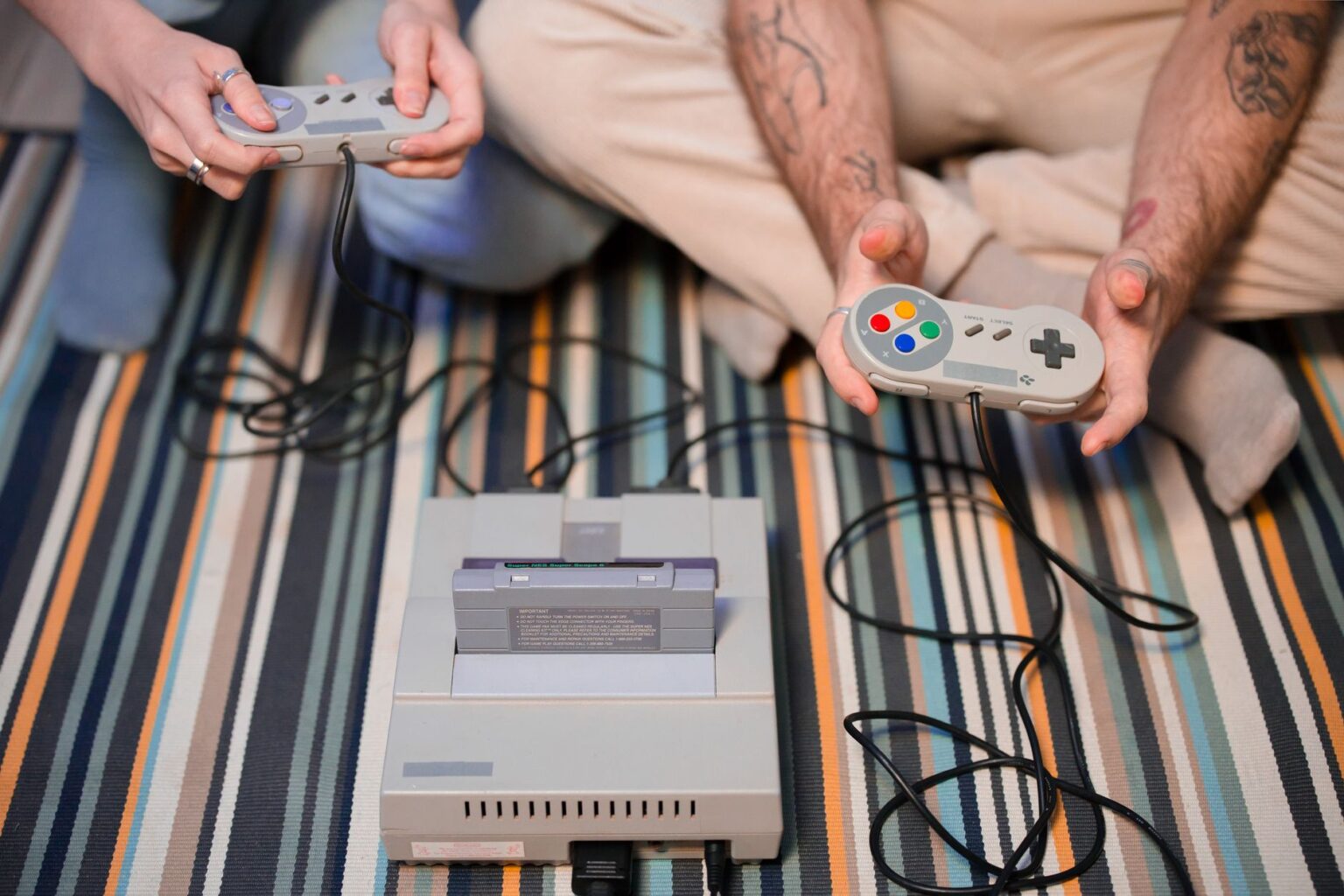
Sega’s prolonged silence on Shenmue is driving fans back to Shenmue III – replaying an unfinished story they fear may never be completed.

Bandai Namco’s Tales of Arise DLC silence is driving fans back to Tales of Berseria, with renewed activity across Steam and PS platforms as players wait for news.
Valve’s ongoing Half-Life 3 silence is driving fans back to Half-Life: Alyx – replaying it for clues, comfort, and a story that may never continue.

Capcom’s years of silence on Okami has pushed fans back to Okamiden, the 2010 DS spinoff, turning an overlooked entry into the franchise’s most discussed game.

Capcom’s DLC silence on Monster Hunter Wilds is driving players back to World and Iceborne, reviving speedrun communities and filling old lobbies.
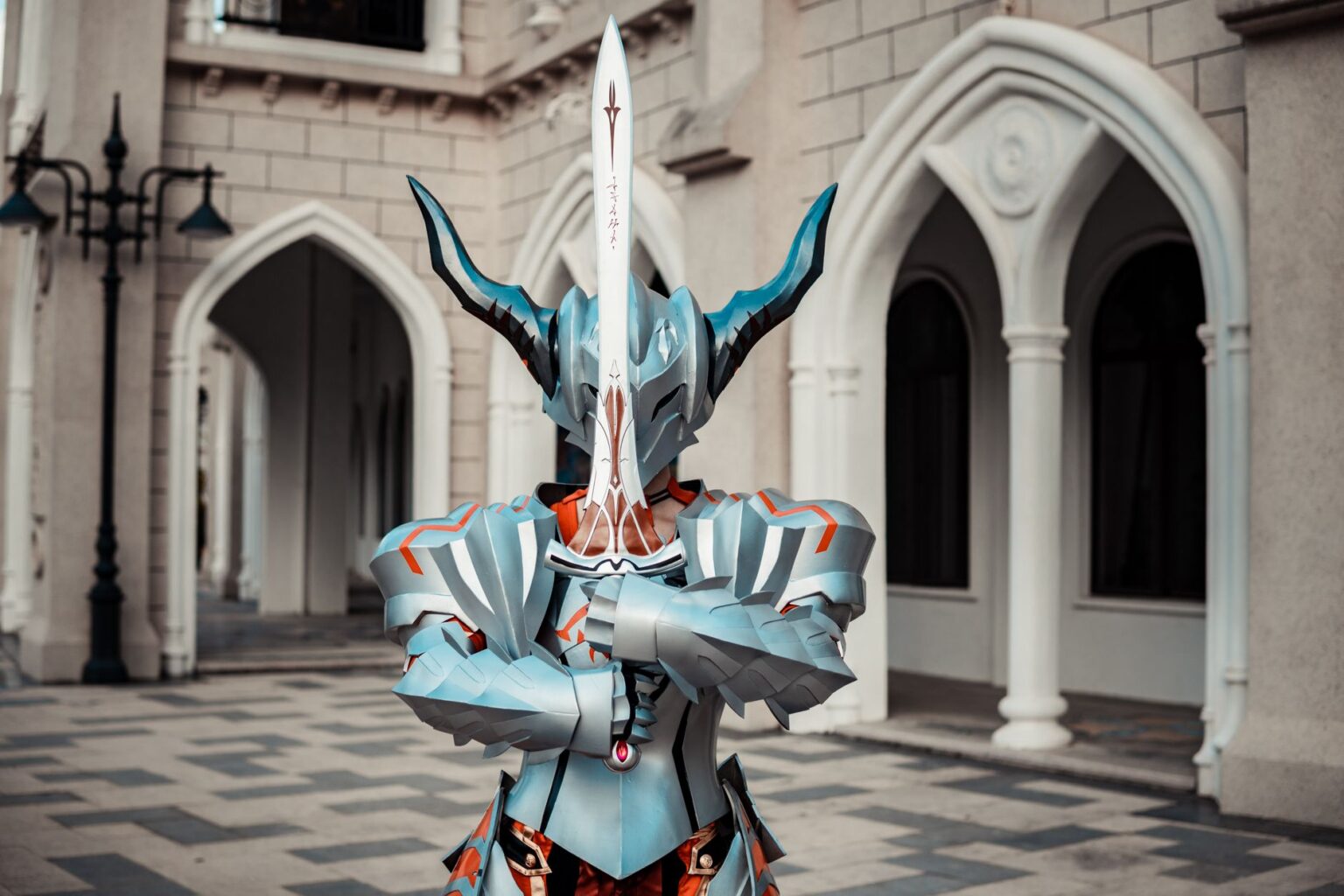
BioWare’s silence after Dragon Age: The Veilguard is pushing fans back to Inquisition – and the replay wave reveals exactly what they felt was missing.

Marathon’s ongoing silence is driving Destiny 2 fans back to raids like Vault of Glass and King’s Fall, turning anticipation into a reason to revisit old content.
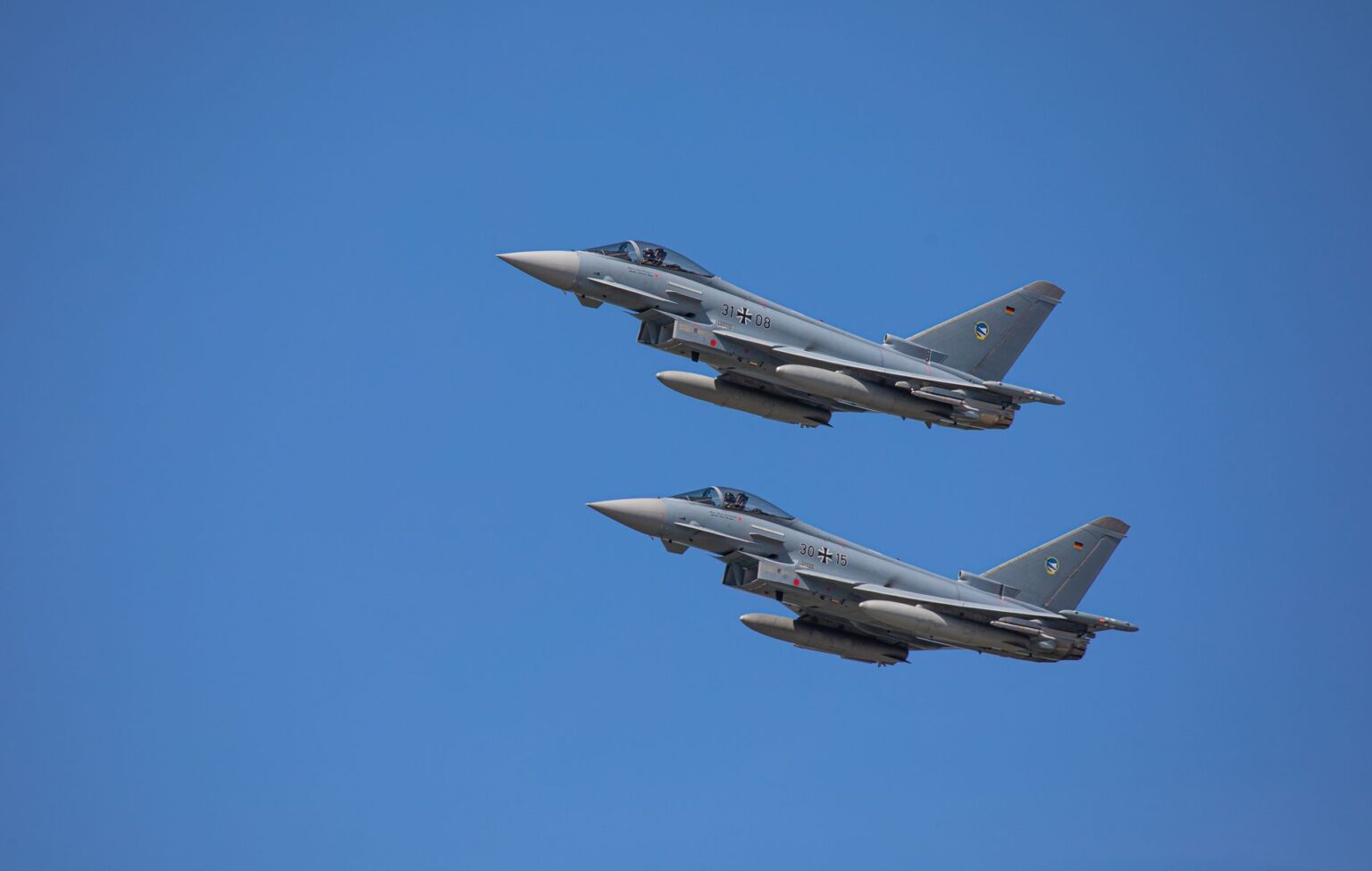
Bandai Namco’s years-long silence on Ace Combat’s future is sending fans back to Zero, the 2006 PS2 entry many consider the franchise’s storytelling peak.

Rockstar’s ongoing silence on Bully 2 is driving fans back to Scholarship Edition, with replays, mods, and forum threads keeping the cult classic alive in 2025.