



The Switch 2 Arrives With a Familiar Blind Spot
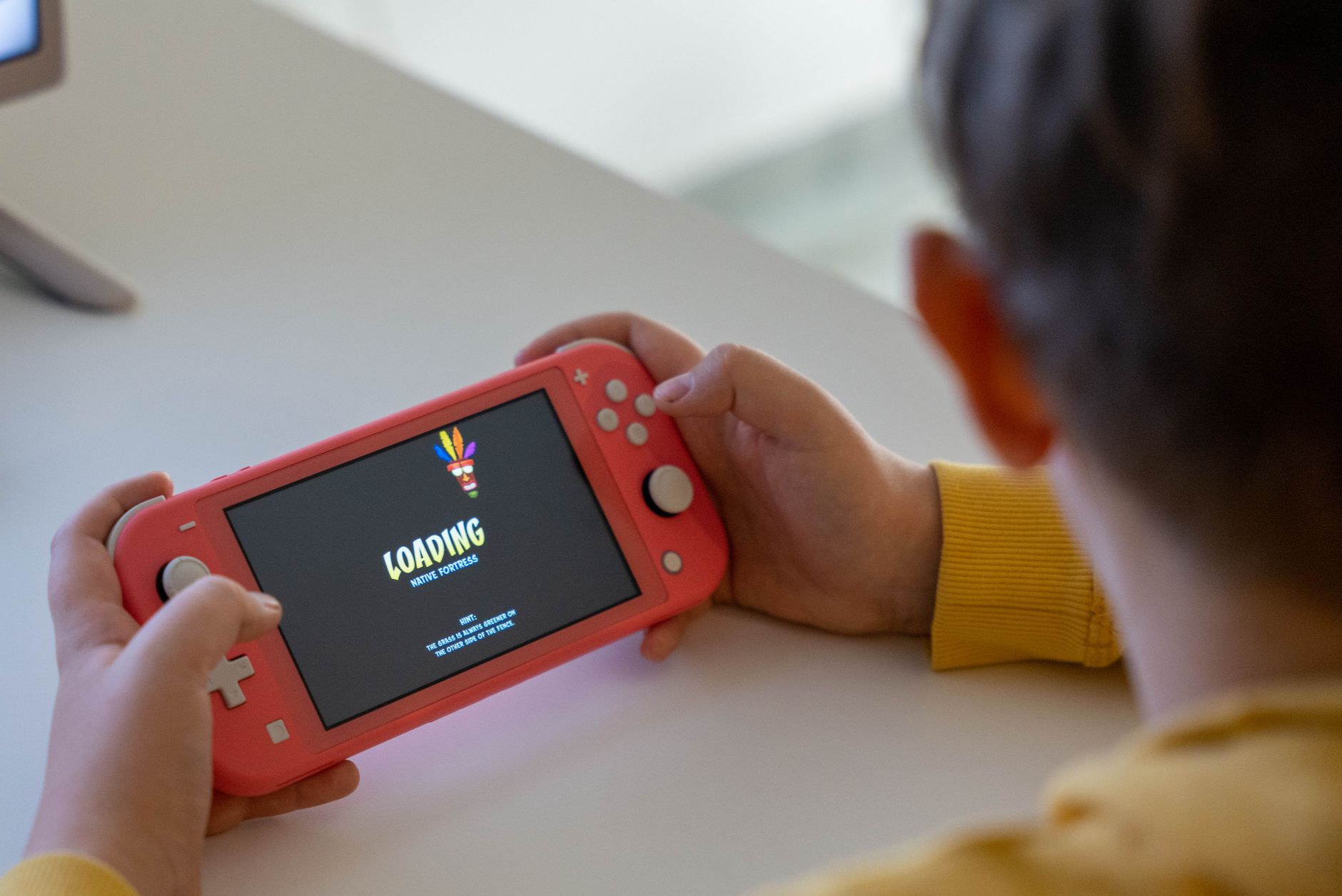
Nintendo’s Switch 2 is generating the kind of pre-launch energy the company hasn’t seen since the original Switch debuted in 2017. The hardware looks sharper, the controller design has been refined, and the launch lineup – anchored by a new Mario Kart entry and several high-profile ports – reads like a confident statement from a company that knows exactly who its audience is. What it does not read like is any kind of acknowledgment that the Nintendo 3DS ever existed.
That absence isn’t accidental, and it isn’t minor. The 3DS library spans roughly a decade of dedicated handheld gaming, with hundreds of titles that were never ported to the Switch and almost certainly won’t make the leap to Switch 2 either. As Nintendo positions its new console as the definitive portable gaming device, a massive catalog of games – many of them beloved, many of them unavailable anywhere else – is quietly being left on the shelf.
What the 3DS Actually Represented
The 3DS wasn’t just a handheld – it was Nintendo’s last dedicated portable platform before the company collapsed the distinction between home console and handheld with the original Switch. That means the 3DS absorbed years of franchises, spin-offs, and experimental titles that were built specifically for small-screen, on-the-go play. Games like Fire Emblem Awakening, Bravely Default, Kid Icarus: Uprising, and the Etrian Odyssey series were either born on or found their defining form on that hardware. None of them have made it to Switch. None appear to be coming to Switch 2.
The hardware gap is part of the problem. The 3DS used a dual-screen setup with a touchscreen on the bottom – a physical design that made certain games essentially non-transferable without significant redesign. Kid Icarus: Uprising leaned so heavily on stylus controls that porting it would require rebuilding the game from scratch. That’s a real barrier, but it’s also the kind of challenge that tends to get solved when there’s commercial motivation to solve it. Nintendo hasn’t shown that motivation.
The Virtual Console Gap Is Getting Harder to Ignore
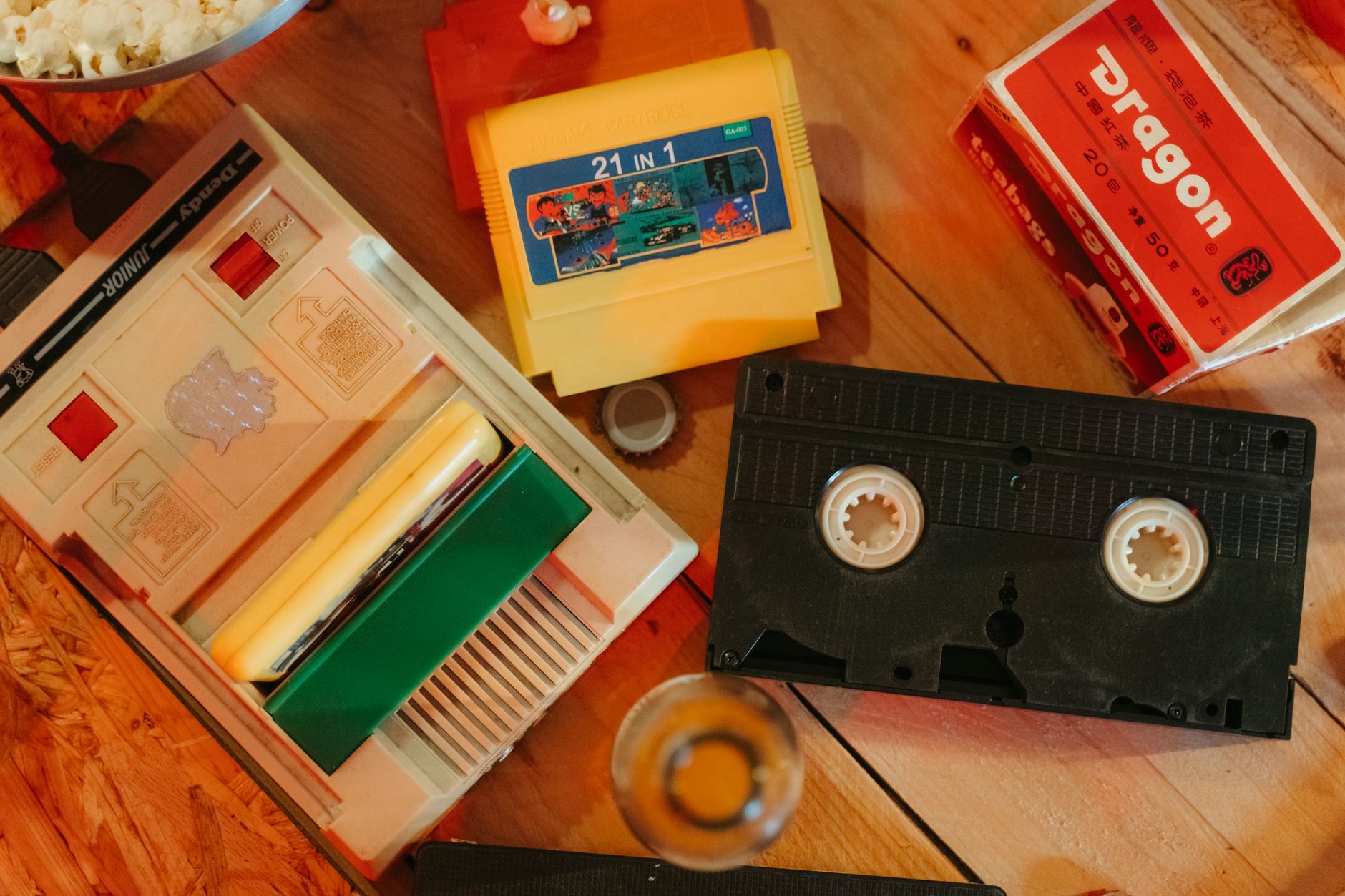
Nintendo’s approach to its own back catalog has always been inconsistent, but the Switch era made it genuinely contentious. The Wii and Wii U had Virtual Console services that gave players legal access to older titles across multiple platforms. The Switch replaced that with Nintendo Switch Online and its Expansion Pack tier – a subscription service that covers NES, SNES, Nintendo 64, Sega Genesis, Game Boy, Game Boy Advance, and even some Nintendo DS titles. The 3DS is conspicuously absent from that list.
The DS inclusion is particularly interesting because it shows Nintendo is at least willing to revisit that generation of hardware. But the DS and 3DS are very different libraries. The DS had one touchscreen and a conventional button layout that translates more naturally to modern hardware. The 3DS had stereoscopic 3D as a marquee feature, a second camera cluster, and many games that used the circle pad and gyroscope in ways that made them feel native to that specific device. Emulating the experience isn’t impossible – third-party emulators have managed it – but Nintendo has shown no urgency to try.
There’s also the question of what “preserving” a game actually means when a platform goes offline. Nintendo shut down the 3DS and Wii U eShops in March 2023, cutting off digital purchases permanently. Anyone who didn’t already own the digital versions of those games lost their only legal route to buy them. Physical copies exist, but the 3DS hardware needed to play them is aging, and prices on the secondary market for popular titles have risen accordingly. The window for casual players to access this library without real effort or expense is closing.
Nintendo is not alone in struggling with backward compatibility across generations – Sony’s PS5 doesn’t play PS3 discs, and Microsoft’s Xbox backward compatibility program, while expansive, still has gaps. But Nintendo’s situation is more acute because the 3DS library has no natural home anywhere else. PlayStation and Xbox games frequently arrive on PC. Most 3DS exclusives exist only on 3DS, full stop.
The Launch Lineup Signals a Direction
A console’s launch lineup is essentially a mission statement. What Nintendo is communicating with Switch 2’s opening slate is that the future is defined by upgraded Switch experiences, not by excavating the past. That’s a commercially sensible position. New hardware sells better when it’s paired with new software that players can’t get anywhere else, not with decade-old ports that feel like filler.
But the side effect is that the 3DS generation is being treated as a closed chapter rather than an active part of Nintendo’s heritage. Franchises that had their best work on 3DS – Bravely Default being the clearest example – have continued on Switch without direct acknowledgment of where they came from. New players who joined Nintendo through the Switch have no easy path to the foundational entries in those series.
Who Actually Loses Here
The players most affected aren’t the hardcore collectors who kept their 3DS hardware and full cartridge libraries intact. Those people are fine. The people who lose are the ones who came to Nintendo late, or who want to introduce younger players to games from that era, or who simply want to revisit something they remember from fifteen years ago without tracking down aging hardware from a reseller. For those players, the 3DS library might as well not exist.
There’s also a preservation dimension that goes beyond individual nostalgia. Games like Xenoblade Chronicles 3D, Majora’s Mask 3D, and Ocarina of Time 3D are enhanced versions of titles that do have other release formats – but the 3DS-specific versions, with their visual upgrades and reworked content, are tied to that hardware forever unless Nintendo decides otherwise. Those aren’t obscure curiosities. They’re significant releases from Nintendo’s own flagship franchises, and they’re currently inaccessible to anyone without a working 3DS.
Nintendo has the technology to revisit this – the Game Boy and GBA additions to Switch Online prove the company can build functional emulation for older handheld hardware. The dual-screen issue adds complexity, but single-screen adaptations of many 3DS titles would be workable. What’s missing isn’t capability. As Switch 2 launches into what looks like a strong commercial run, the 3DS library sits in a legal and practical dead zone that Nintendo created and shows no particular interest in resolving.
Frequently Asked Questions
Will Nintendo Switch 2 support 3DS games?
No. Switch 2 does not support 3DS cartridges, and Nintendo has not announced any virtual console or emulation service that would include 3DS titles.
Why can’t Nintendo just port 3DS games to Switch 2?
Many 3DS games relied on dual screens, stylus input, and stereoscopic 3D, making direct ports technically complicated. However, the bigger obstacle appears to be Nintendo’s commercial priorities rather than technical limitations alone.