



The Sequel Effect Is Real
When Obsidian Entertainment dropped the first full trailer for The Outer Worlds 2, it did something that no marketing budget can reliably manufacture: it sent players back to their backlogs. Steam activity data for the original The Outer Worlds spiked noticeably in the days following the announcement, and Xbox Game Pass engagement with the title reportedly climbed as players who had skipped it decided they needed to catch up before the sequel arrives. This is the sequel effect working exactly as intended – hype for the new entry validates the old one.
It makes sense when you consider why the original was easy to overlook at launch. The Outer Worlds released in October 2019 against an absolutely brutal release calendar, and its modest marketing budget meant it never generated the cultural noise of a first-party blockbuster. The game sold well enough to justify a sequel, but a significant portion of the RPG audience never got around to it. Now, with Obsidian actively building anticipation, there is suddenly a deadline – and nothing motivates a backlog clear-out like a deadline.
What Players Are Actually Returning To
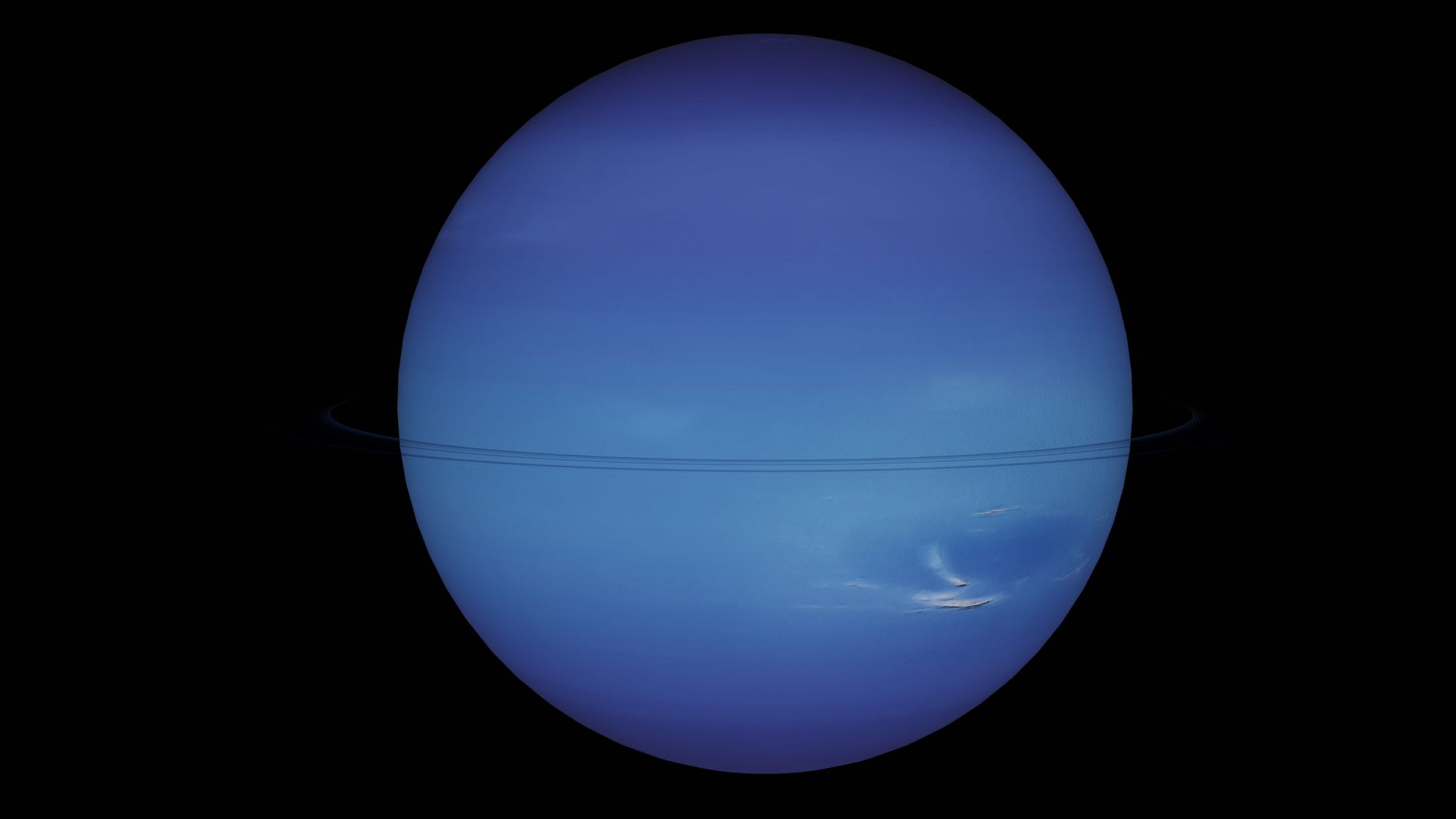
For anyone diving into the original for the first time now, or returning after years away, what they find is a game that holds up with surprising consistency. The writing is sharp throughout, with Obsidian’s signature approach to worldbuilding – dry humor layered over genuinely dark political satire – still landing cleanly. The Halcyon colony and its corporate dystopia feel more pointed now than they did in 2019, mostly because the satirical targets have only become more visible in the years since.
The companion system is where the game earns most of its replay discussion online. Characters like Parvati, Vicar Max, and Ellie each carry enough personality and arc to make a second playthrough feel like a different emotional experience depending on who you bring along. Forum threads and Reddit posts from returning players frequently call out missed companion quests or dialogue branches they never triggered on their first run. That kind of depth is exactly what creates the conditions for a revival – not just nostalgia, but genuine discovery.
The gameplay itself is more divisive on return. The combat has always been functional rather than exciting, and the relatively small scale of the maps compared to Bethesda-style open worlds is the most common complaint from players who expected something sprawling. But the tightness of the design is also its strength – every zone is dense, every NPC has something to say, and the quest writing rarely wastes the player’s time with filler content. It is a focused RPG, not a massive one, and returning players tend to either appreciate that quality more on replay or finally accept it as a feature rather than a limitation.
The Peril on Gorgon and Murder on Eridanos DLC expansions are also getting renewed attention, with both adding substantial content that a large portion of the original audience never completed. Murder on Eridanos in particular is widely considered the stronger of the two, featuring a locked-room mystery structure that shows off Obsidian’s dialogue-heavy design philosophy at its best. Players who blew past the DLC on their first run are now treating it as fresh content.
What the Sequel Trailer Actually Promised
The Outer Worlds 2 trailer leaned hard into self-aware humor, openly mocking the generic nature of its own announcement footage before pivoting to actual gameplay philosophy. It was a smart piece of marketing that confirmed Obsidian’s tone is intact, while deliberately withholding specifics about systems, setting, and story. That restraint is working in the sequel’s favor – the absence of concrete details makes the original feel like required reading, because players have no other way to calibrate their expectations.
The trailer also confirmed that the game is coming to Xbox and PC, cementing its place in the Game Pass ecosystem. That matters because Game Pass availability was a major factor in how many people first encountered the original – it lowered the barrier to entry significantly, and the same dynamic will apply to the sequel. Players who try the original free on Game Pass now and enjoy it are exactly the audience Obsidian is building toward.
The Backlog Revival Pattern
This is not the first time a sequel announcement has driven traffic back to its predecessor. Rockstar’s GTA VI trailer hype sent players back to older entries in that series in a nearly identical pattern – anticipation for the new creates appreciation for the old. The mechanic is consistent: a well-received announcement acts as a kind of endorsement of the franchise’s identity, which gives players who never engaged with earlier entries a reason to care now.
What makes the Outer Worlds case slightly different is that the original is not old enough to carry nostalgia weight but not new enough to feel current. It sits in an awkward five-year gap where it was neither a classic nor a recent release – which is exactly the kind of game that gets skipped in a busy release environment and then forgotten. The sequel announcement is functioning as a rescue operation for a game that deserved more attention the first time around.
The real test will come when Outer Worlds 2 has an actual release date attached to it. Right now the returning player surge is driven by curiosity and low stakes – people are picking up the original because it is available, relatively short by RPG standards, and suddenly relevant again. Whether Obsidian can convert that goodwill into day-one sales for the sequel depends entirely on whether the game delivers on the specific things players are re-discovering in the original: the writing, the companion depth, the willingness to let the player be genuinely terrible at being a hero. The combat can stay mediocre. The dialogue cannot.