





The Longest Content Drought in CS History
Counter-Strike 2 has now gone longer without a major operation than at any point in the franchise’s history, and the community’s patience is wearing thin in ways that Valve probably cannot afford to ignore.

What an Operation Actually Means to CS Players
For anyone outside the CS ecosystem, operations are Valve’s premium content drops – paid seasonal packages that bundle new maps, missions, weapon collections, and sticker capsules into a single purchasable pass. They are the game’s primary content calendar event, the thing players circle on the mental calendar and wait for. CS:GO ran operations throughout its lifespan with reasonable regularity, and they consistently drove enormous spikes in concurrent player counts, Steam revenue from cosmetics, and general community engagement. Operations were not a bonus feature. They were the heartbeat of the live-service side of the game.
CS2 launched in September 2023 as a full replacement for CS:GO, and it has yet to receive a single operation. Not one. The game has had updates – engine improvements, UI changes, bug fixes, some map additions – but nothing that resembles the structured, monetized content drops that CS:GO players came to expect roughly every six to twelve months. The gap has now stretched past eighteen months, which in live-service terms is an eternity, especially for a game still trying to prove itself as a worthy successor to its predecessor.
The frustration is not just about wanting new stuff to do. Operations in CS served a specific function: they gave casual players a reason to log back in, gave competitive players something to grind alongside ranked play, and gave the cosmetics market a fresh injection of content that kept the economy active. Without that cycle, CS2’s community engagement has a flatness to it. Ranked play is still there, casual modes still run, but there is no seasonal pull, no “this is the window” feeling that operations historically created.
Valve has offered very little communication on why no operation has arrived. The company’s traditionally minimal public communication style, which CS:GO players largely tolerated because operations kept coming, feels considerably more abrasive when there is nothing to show for it. A growing portion of the community has stopped waiting for an announcement and started building a different routine around the game entirely.
Faceit Becomes the Default for Serious Players
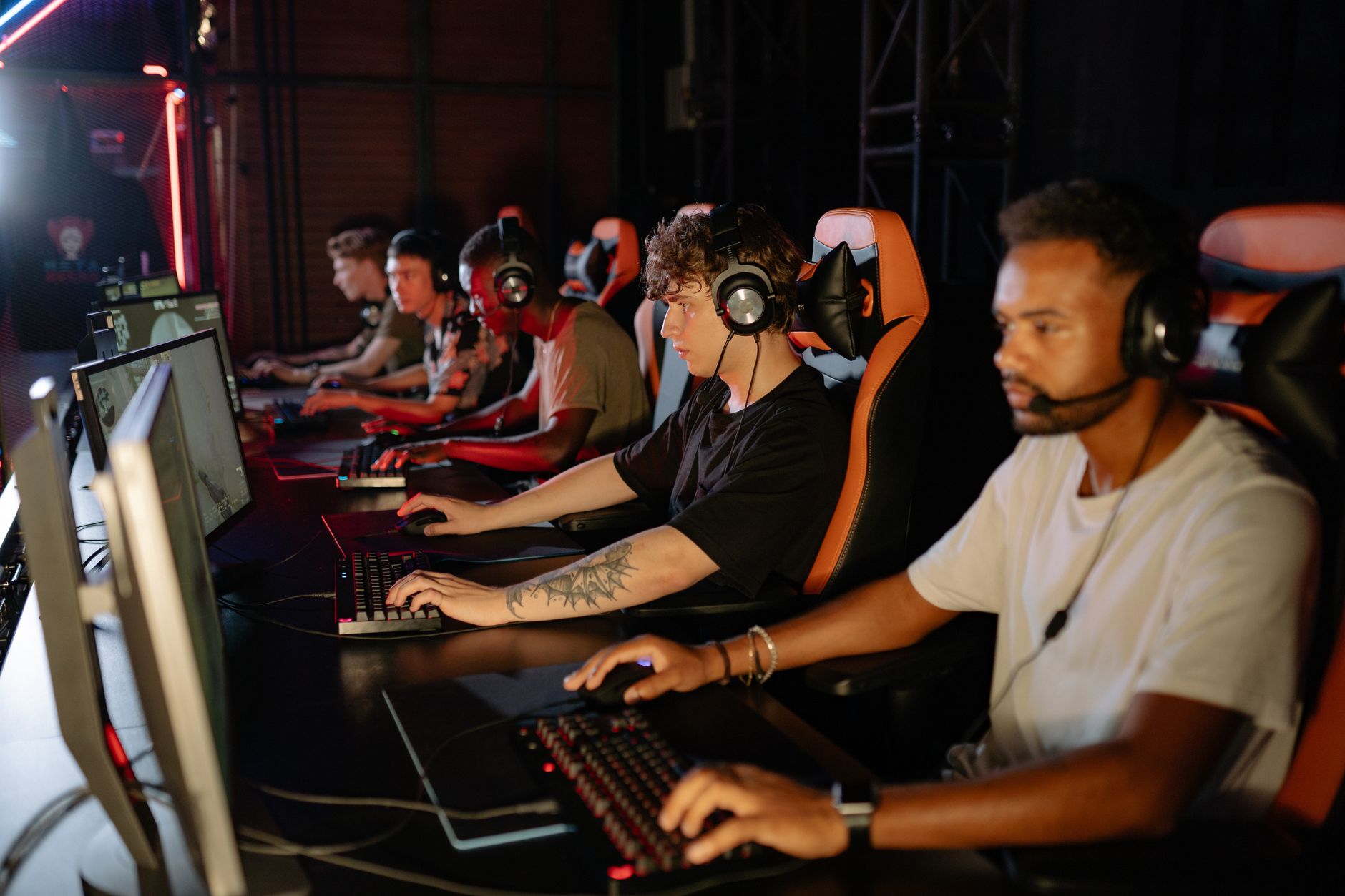
Faceit is a third-party competitive platform that has existed alongside CS for years, offering its own matchmaking system, ranking infrastructure, and tournament ecosystem entirely separate from Valve’s official servers. Historically it was the destination for players who found Valve’s matchmaking too casual or too inconsistent – a step up rather than a replacement. What is shifting now is who is treating it as a replacement, and why.
The players migrating to Faceit today are not exclusively the hardcores chasing pro-level competition. A meaningful portion of the migration involves players who would previously have split their time between Valve’s ranked modes and casual content – the middle tier of the playerbase that operations traditionally served. Without operations providing a reason to stay inside Valve’s ecosystem, that middle tier is asking a practical question: if I am only really playing competitive modes anyway, why am I not on the platform with better anti-cheat, more reliable servers, and an active tournament structure?
Faceit’s anti-cheat software, FACEIT Anti-Cheat, runs at the kernel level and has a substantially better reputation within the community than Valve’s own VAC system for catching cheaters in real time. This matters enormously in CS, where a single cheater can ruin a game in ways that few other formats expose as visibly. CS2 has dealt with ongoing criticism about cheating rates since launch, and while Valve has made improvements, the perception gap between VAC and FACEIT Anti-Cheat has not closed. For a player already feeling under-served by the lack of operations, discovering the cheating problem is also worse on official servers makes the case for Faceit even easier to make.
The platform’s hub system – where community organizers can build their own competitive leagues, tournaments, and ladders – has also expanded significantly over the past year. This means Faceit is not just offering better matchmaking; it is offering the kind of structured, goal-oriented progression that operations used to provide inside Valve’s own client. Players can join a hub, work through a ladder, earn platform points, and participate in organized events, all without Valve needing to release a single piece of new content. The community has essentially built its own operation, and Faceit gave them the infrastructure to do it.
There is a business dimension here that Valve should find uncomfortable. Operations generate direct revenue through pass sales and drive indirect revenue through the cosmetics economy. Every week a player defaults to Faceit as their primary CS experience is a week they are less engaged with Steam market activity, less likely to open weapon cases, and less likely to buy a pass when one eventually does arrive. Habit formation is real, and the CS community is forming habits that do not require Valve’s content pipeline to function. This pattern of players drifting toward external ecosystems when an official one goes quiet is not unique to CS – a similar dynamic has played out in Warzone fatigue driving players toward alternatives like Delta Force.
What Valve Risks Losing
The deeper risk for Valve is not the players who leave permanently. CS has enough brand loyalty and mechanical depth that most of the migrating playerbase will still return to official servers situationally – for casual games with friends, for watching pro play during majors, for the skin system that still only fully exists inside Steam. The risk is that Faceit becomes the primary identity for a generation of CS players who grew up with CS2 rather than CS:GO. If the reflexive answer to “where do you play CS?” becomes “Faceit” rather than “Valve matchmaking,” Valve loses the centrality it has always held in its own game.
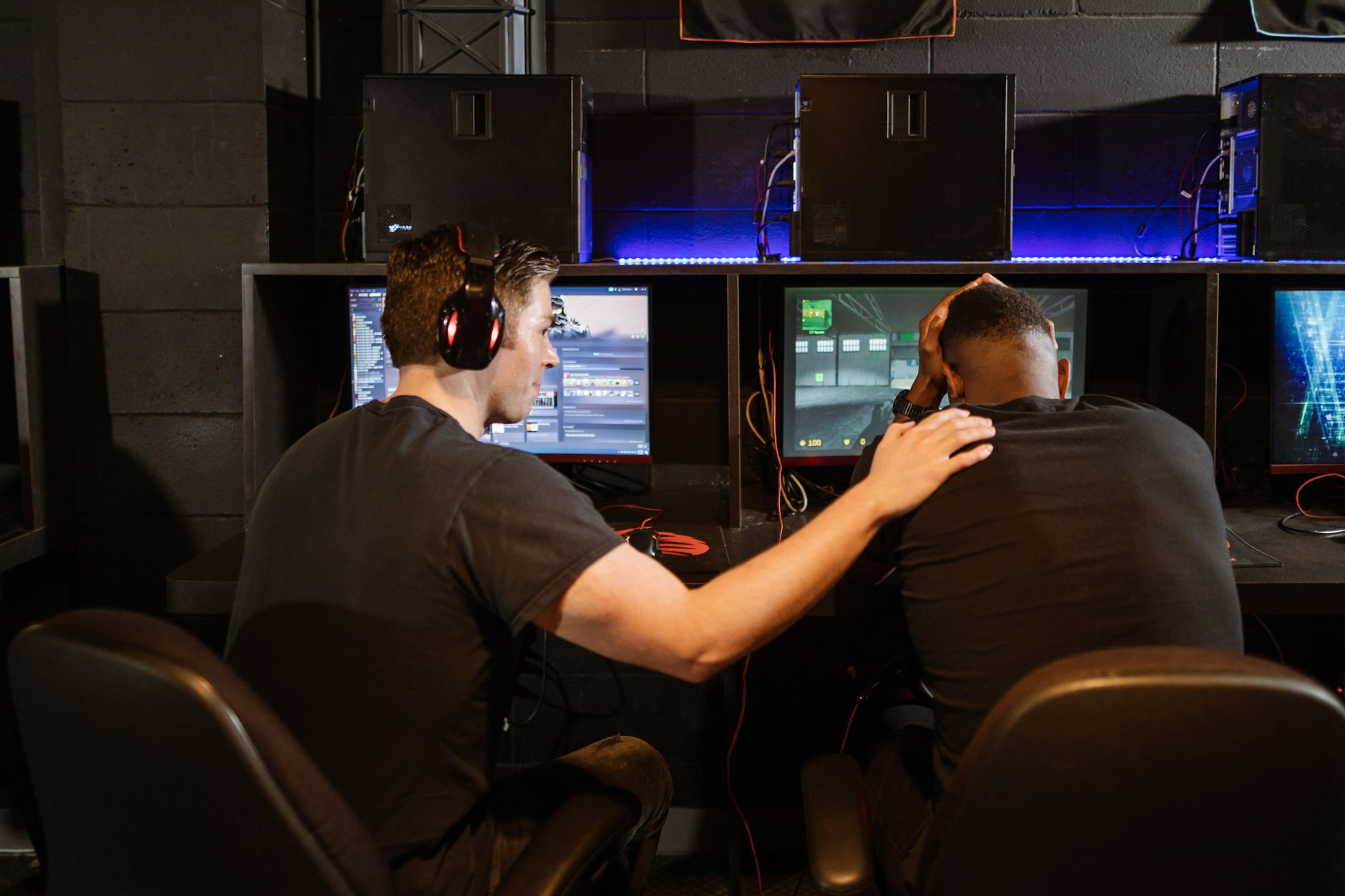
Valve still controls the keys to CS2’s economy – the skins, the cases, the Steam Workshop, the official tournament structure around Majors. That leverage is real and is not going anywhere. But leverage and active engagement are different things, and right now the community is running an experiment in how much of a meaningful CS experience can be built without waiting for Valve to show up. The experiment, so far, is going well enough that a lot of players have stopped treating it as temporary.