



When Exclusives Leave the Console, the Subscription Gets Stronger
Microsoft has been quietly dismantling the traditional console exclusive model for years, releasing its biggest Xbox titles on PC the same day they hit Series X and Series S. What started as a controversial move – one that seemed to undermine the hardware business entirely – has started to look like a deliberate long game. Every game that drops from the “Xbox exclusive” label and lands on Windows becomes one more reason for PC players to look seriously at Game Pass.
The shift is happening faster than most people realize. Titles that once anchored the Xbox platform argument are now available to anyone with a capable gaming PC and a Game Pass Ultimate subscription. For console loyalists, that feels like a concession. For Microsoft’s broader business strategy, it looks more like expansion.

What the Exclusive Pullback Actually Means
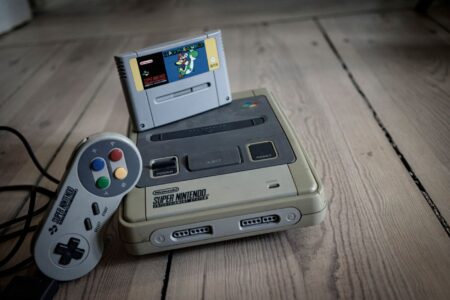
Xbox exclusivity used to mean something simple: you want this game, you buy this console. That model kept platform ecosystems tightly sealed and drove hardware sales on the back of first-party software. Microsoft started walking away from that logic when it brought titles like Halo Infinite, Forza Horizon 5, and Hi-Fi Rush to PC on day one. More recently, the company has gone further, releasing previously console-timed titles on PlayStation and Nintendo Switch – a move that would have been unthinkable under the Xbox 360 playbook.
The argument against this strategy is obvious: if the game is everywhere, why buy an Xbox? Microsoft’s answer, apparently, is that the question itself is the wrong one to be asking. The company has gradually repositioned Xbox less as a hardware brand and more as a software and services platform. The console is still sold, still supported, still marketed – but the real product being pushed is Game Pass, and every platform that runs Game Pass is, from Microsoft’s perspective, an Xbox.
PC gaming sits at the center of that logic. Windows is Microsoft’s platform, and PC Game Pass runs natively on it without any conversion costs or licensing friction. When a flagship title launches on PC via Game Pass, Microsoft collects the subscription revenue directly, cuts out retail margin, and adds a new user to an ecosystem it fully controls. The loss of exclusivity is real. The financial trade-off is deliberate.
PC Game Pass Numbers Are Moving
Microsoft has not released granular subscriber counts broken out by platform, which makes precise claims impossible. What is visible is the behavioral pattern: PC Game Pass subscriptions have been growing as the day-one PC release cadence has accelerated. When Starfield launched in September 2023, it drove a noticeable spike in Game Pass sign-ups – and a significant share of those came from PC players who had no intention of buying an Xbox console but wanted access to the most-talked-about RPG of the year without paying full price upfront.
The value proposition for PC players is genuinely strong on its own terms. A single month of PC Game Pass costs less than most AAA games, and day-one access to Microsoft’s first-party lineup means subscribers can play major releases without making a separate purchase decision each time. That removes a friction point that often results in piracy or simply skipping a title entirely. For Microsoft, a paying subscriber who plays everything on PC is worth exactly the same as one who plays everything on a Series X.
The Exclusive Argument Is Becoming a PC Argument
Sony’s platform strategy has historically depended on exclusivity as a hardware driver – games like God of War, Spider-Man, and Horizon exist primarily to sell PS5 units, with PC ports arriving 12 to 18 months later at full price. Microsoft is running the opposite experiment: put the game everywhere immediately, make it free with the subscription, and see whether subscription volume outperforms the old single-purchase model. The fact that Microsoft has kept this strategy running through multiple console generations suggests the internal numbers support it.
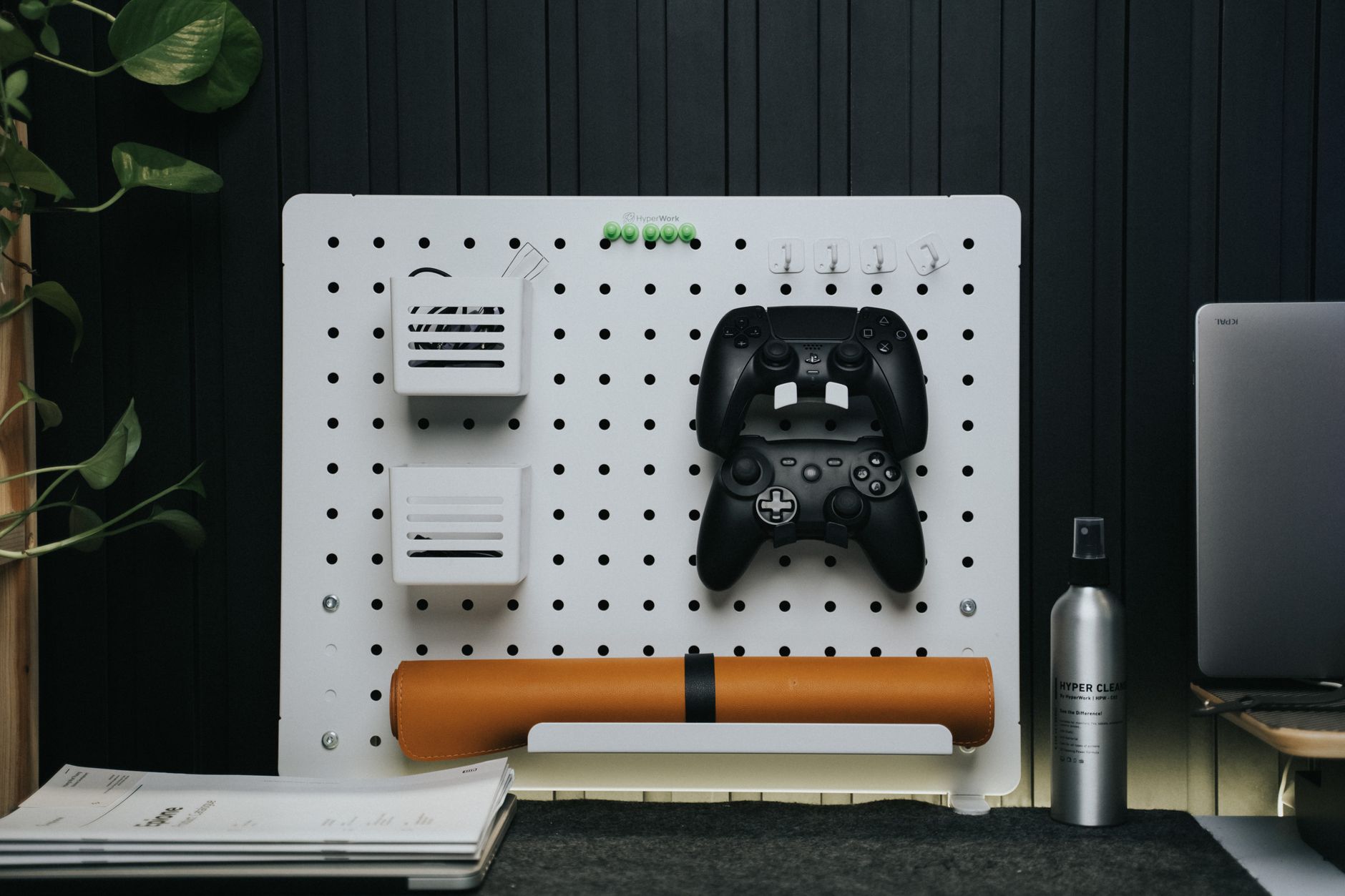
For the PC gaming community specifically, this creates a situation that would have seemed far-fetched five years ago. PC players now have access to essentially the full Xbox first-party catalog on day one, through a subscription that also includes EA Play and a rotating library of third-party titles. The platform that once ignored PC gaming – or treated it as an afterthought – is now arguably offering the best value proposition in PC gaming subscriptions.
There is a tension worth sitting with here. Xbox hardware is struggling to hold ground against PlayStation in traditional console sales, and Sony’s continued investment in its hardware ecosystem shows no sign of slowing down. Microsoft’s response has been to stop competing in that specific fight and redirect energy toward the platform where it already wins by default – Windows. That might be smart business, but it also means the Xbox console itself is increasingly hard to justify as a distinct purchase.
The PC player who subscribes to Game Pass today gets more first-party Microsoft content, day-one, at lower cost, than at any previous point in Xbox history. Whether that player ever touches an Xbox console is, by Microsoft’s current logic, beside the point. The subscription is the product. The console is optional. And the shrinking exclusive lineup is, quietly and deliberately, what made that possible.