



A speaker company can survive a weak quarter. It has a much harder time surviving the morning when the app that controls every speaker in your home stops behaving the way it did the night before.
How a Rebuild Became a Rollback Request
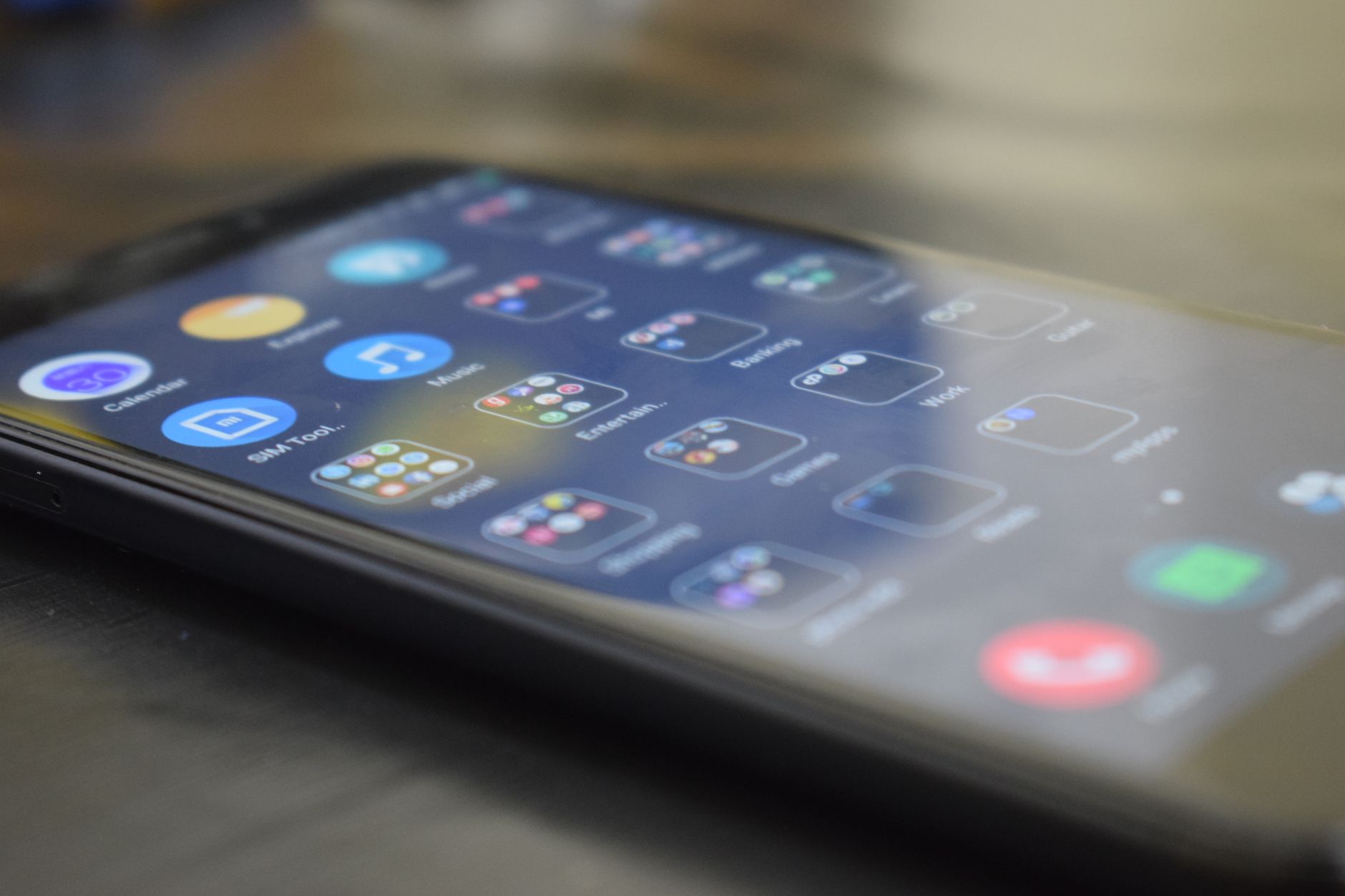
In May 2024, Sonos released a redesigned app built on a new foundation. The pitch was speed, customization, and a cleaner way to manage a multi-room system. What customers got was an app that was missing familiar features, including sleep timers, alarms, queue editing, and local music library support. Many users also reported slow performance and speakers that failed to show up in the interface.
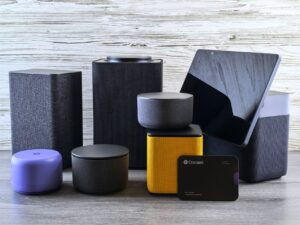
The damage was larger than it would be for most gadgets because the Sonos app is not an accessory. Most of the company’s speakers and soundbars are built around it, and the app is where grouping, room control, streaming service logins, and tuning all live. When it falters, the hardware you paid a premium for feels like it has lost half its brain. A flaky companion app on a pair of earbuds is an annoyance. A flaky app on a whole-home audio system is a household problem.
The motive behind the rebuild was not unreasonable. The previous app had been patched and extended for years, and old code makes new features slow and risky to add. Starting over on a modern foundation is a defensible engineering call. The mistake was in the rollout: the new app replaced the old one before it matched it, and there was no practical way for frustrated owners to go back.
That left customers with no choice at all.
Fixing the Code Was the Easy Part
Sonos did respond. Leadership acknowledged the problems publicly, published a roadmap, and began shipping updates that restored the missing features one by one. Alarms, sleep timers, queue management, and local library access all came back over the following months. By feature count alone, the app has recovered most of the ground it lost.
The cost of the recovery was not limited to engineering hours. The company reportedly slowed down other product plans so that its teams could concentrate on the app, which is a steep price for a hardware business that depends on a steady flow of new devices. Every month spent repairing software is a month the product pipeline sits quieter than it otherwise would.
Then came the leadership change. In early 2025, CEO Patrick Spence stepped down, and board member Tom Conrad took over the top job. Companies rarely say that a leadership change is connected to a single failure, and Sonos did not frame it that way. Still, the timing made it hard for anyone watching to see it as unrelated.
Here is why trust recovers more slowly than software. For years, Sonos built its reputation on one promise: it just works. People paid more for the speakers because they did not want to troubleshoot Wi-Fi handoffs or pairing menus on a Friday night. That reputation took the better part of two decades to build, and it was spent in a single release. A bug fix can be shipped in a week, but a customer who spent a month unable to set a bedtime timer will remember it for much longer. Every future update now arrives with a quiet question attached: is this the one that breaks something again?
The lock-in that once worked in Sonos’ favor now cuts the other way. Owners with several rooms of Sonos gear are not going to rip it all out, so they stay. But staying and trusting are different things. A customer who is thinking about adding a fourth speaker, or upgrading a soundbar, now has a reason to look at what Apple, Amazon, Bose, or Bluesound are offering before spending. The installed base gives Sonos time. It does not give Sonos loyalty on autopilot.
What Earning It Back Actually Takes
Trust usually returns through boring consistency. That means updates that do not break anything, release notes that match what actually changed, and a long run of quiet weeks where nobody has a reason to post a complaint. The loud features matter less than the absence of surprises, and that is a harder thing to market.
The real test is still ahead. Sonos needs new products to grow, and every launch will ask buyers to take a chance on the software that runs it. If the next flagship arrives and the app stumbles even once on day one, how many customers will give the company a second chance?